
EN 397 and CE Marking: EU Safety Helmet Guide
What Safety Helmet Brands Need to Know About European Standards
Planning to sell industrial safety helmets in Europe? Meeting the right safety standards is just as important as developing the right product.
For helmet brands, importers, and PPE distributors, entering the European market involves more than choosing a helmet design, adding a logo, and placing an order.
Before an industrial safety helmet can be placed on the EU market, it must meet applicable safety requirements and complete the appropriate conformity-assessment process.
Two terms you’ll frequently encounter are EN 397 and CE marking.
They’re closely related, but they don’t mean the same thing.
At Aurora Sports, we work with helmet brands and distributors on private-label, OEM, and ODM industrial safety helmet projects. Understanding certification requirements early helps our customers make better design decisions, avoid unnecessary development costs, and plan more efficiently for their target markets.
Let’s break down what EN 397 means, how CE marking works, and what manufacturers and brands should consider before bringing safety helmets to Europe.
What Is EN 397 for Industrial Safety Helmets?
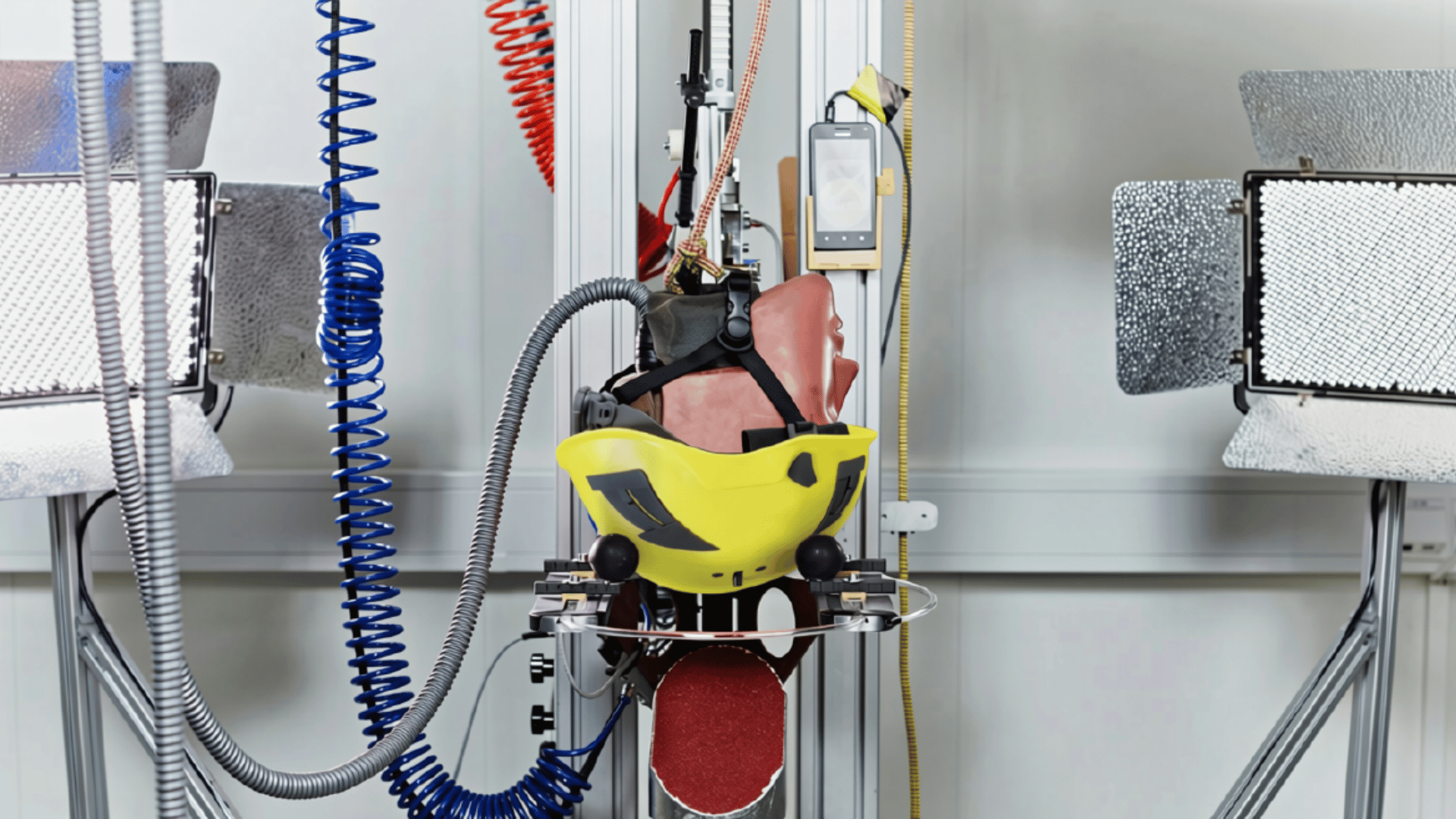
EN 397 is a European standard for industrial safety helmets, primarily intended to protect workers against injuries caused by falling objects.
It establishes technical requirements and testing methods used to evaluate helmet performance.
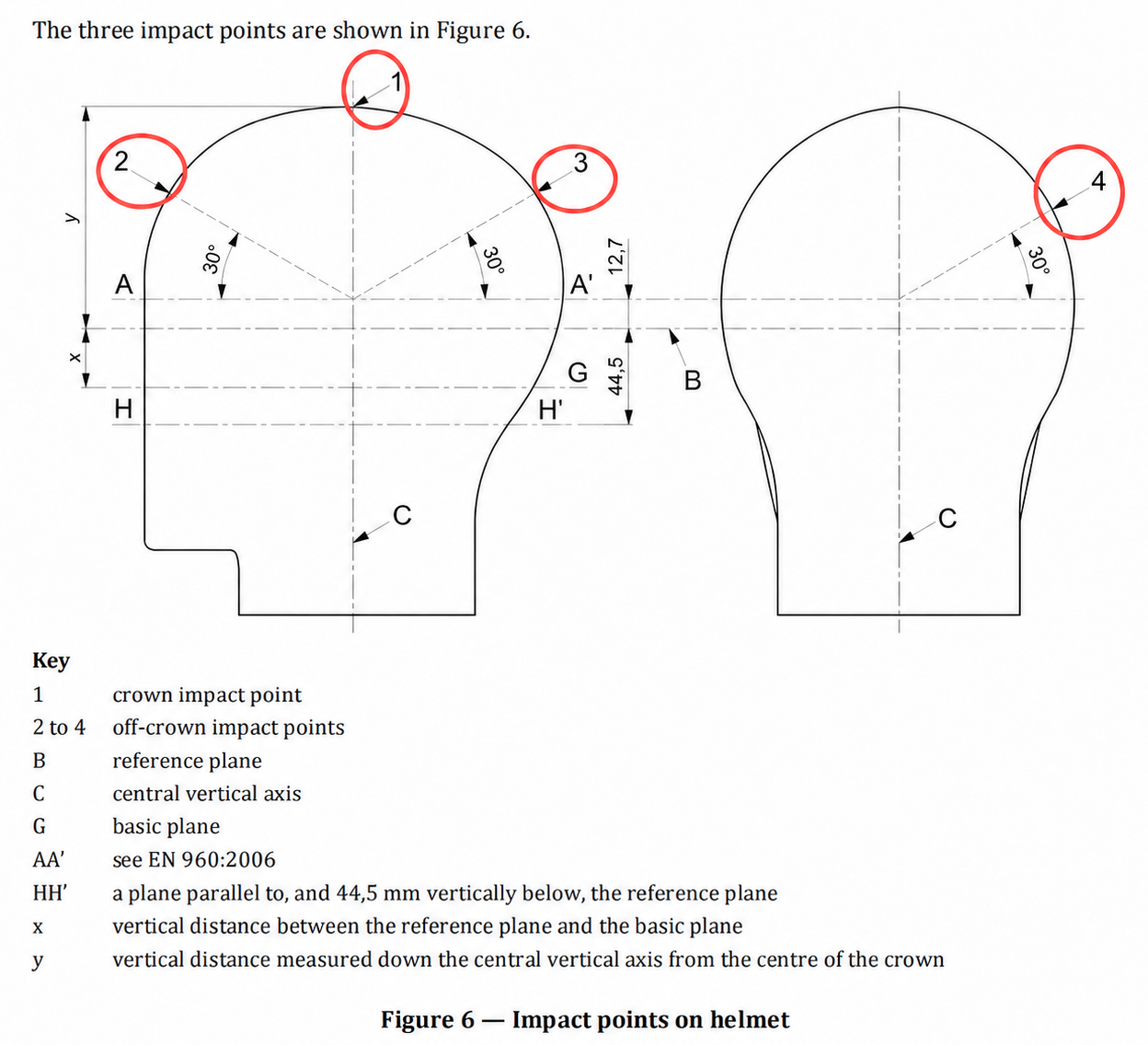
Depending on the applicable edition and helmet configuration, testing and evaluation address areas such as:
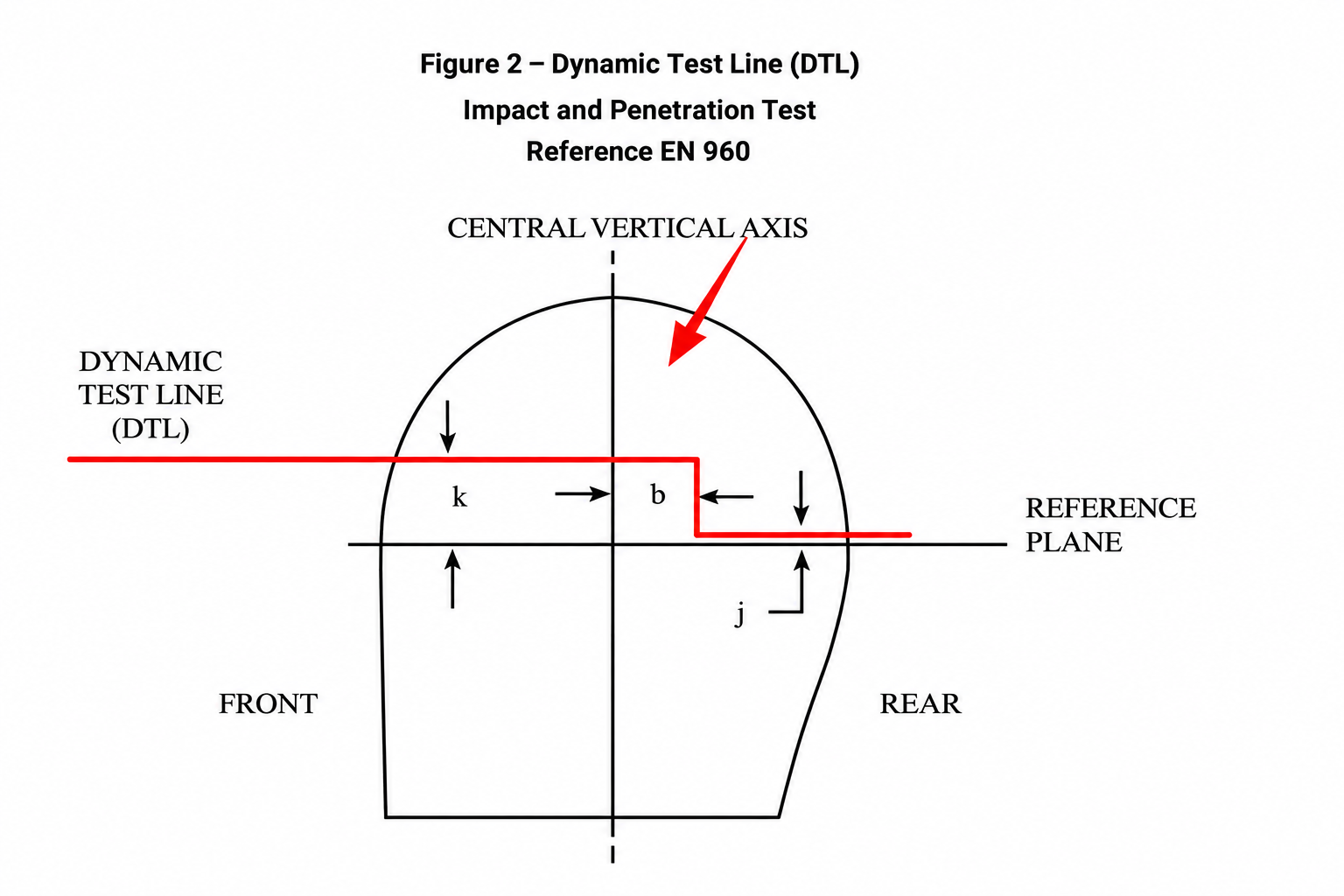
- Impact-energy absorption
- Penetration resistance
- Flame resistance
- Retention and chin-strap requirements, where applicable
- Performance after specified environmental conditioning
- Product markings and user instructions
Additional performance requirements may apply to helmets designed for particular working conditions or hazards.
For example, a helmet intended for very low temperatures, molten-metal exposure, or certain electrical hazards may need additional evaluation.
An important point for buyers: Not every EN 397 helmet offers the same optional protective features.
Always review the specific helmet’s markings, instructions, and supporting documentation rather than assuming all EN 397 helmets provide identical protection.
What About EN 397:2025?
European standards are periodically revised, and EN 397:2025 is an important development for helmet manufacturers and brands.
When planning a new product, it’s essential to confirm which edition is currently harmonised under EU legislation, whether transition arrangements apply, and which requirements the selected certification program must address.
You can review the latest information through the European Commission’s harmonised standards for personal protective equipment.
For brands developing new safety helmets, confirming the correct standard before tooling and testing can help avoid costly changes later.
EN 397 vs. CE Marking: What’s the Difference?
This is one of the most common questions when sourcing safety helmets for Europe.
Although the two terms are often mentioned together, they serve different purposes.
| EN 397 | CE Marking |
|---|---|
| A European technical standard for industrial safety helmets | A marking indicating conformity with applicable EU legislation |
| Defines relevant performance and testing requirements | Requires the appropriate conformity-assessment process |
| Helps manufacturers evaluate helmet performance | Reflects the manufacturer’s responsibility for product compliance |
| Used as part of demonstrating conformity | Required before applicable PPE products are placed on the EU market |
In simple terms:
EN 397 tells you what the helmet must be evaluated against. CE marking indicates that the manufacturer declares the product complies with the applicable EU requirements.
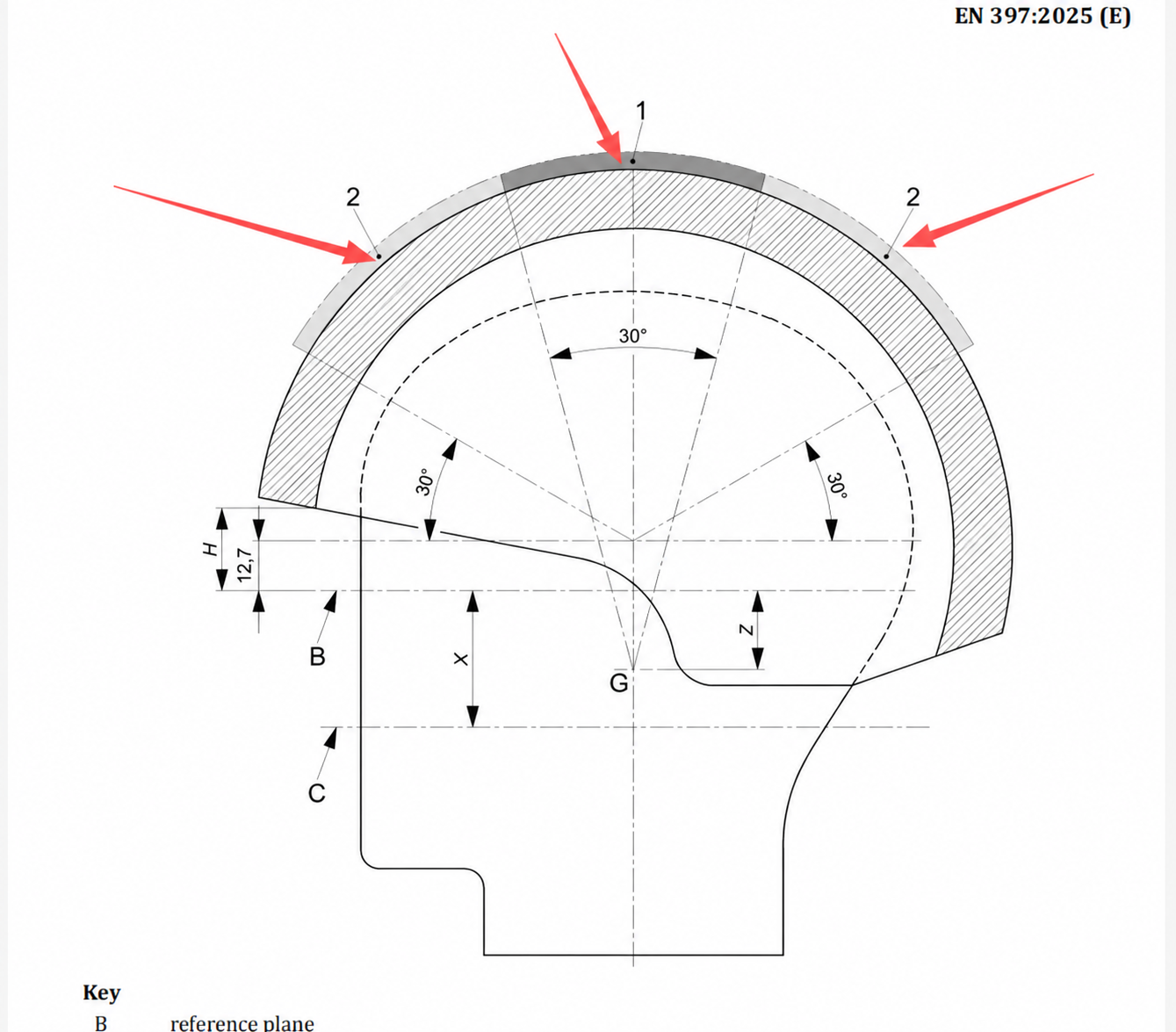
Industrial safety helmets placed on the EU market as PPE generally fall under Regulation (EU) 2016/425.
Using an applicable harmonised European standard can help demonstrate conformity with the essential health and safety requirements it covers.
However, passing a laboratory test does not automatically mean a helmet can carry the CE marking.
The complete conformity-assessment and documentation requirements must also be satisfied.
How Does European Safety Helmet Certification Work?
For a brand developing a new industrial safety helmet, understanding the process early can make a significant difference.
Here’s how a typical project progresses.
Step 1: Define the Helmet’s Intended Market and Application
Before designing or testing a helmet, start with the people who will wear it.
Will the helmet be used for construction, industrial maintenance, utility operations, or another application?
What hazards are workers exposed to?
Will the product require electrical protection, a particular retention system, or compatible accessories?
These decisions influence the helmet’s construction and applicable standards.
At Aurora Sports, we encourage customers to clarify their target market and performance requirements at the beginning of development—not after the product design is finalized.
Step 2: Develop the Helmet Around the Required Standards
A safety helmet is more than its outer shell.
The complete product may include an impact liner, suspension system, ratchet adjustment, chin strap, buckles, padding, and accessory interfaces.
Each component can influence overall helmet performance.
Depending on the project, Aurora Sports can support product engineering, component selection, prototyping, tooling, and manufacturing planning.
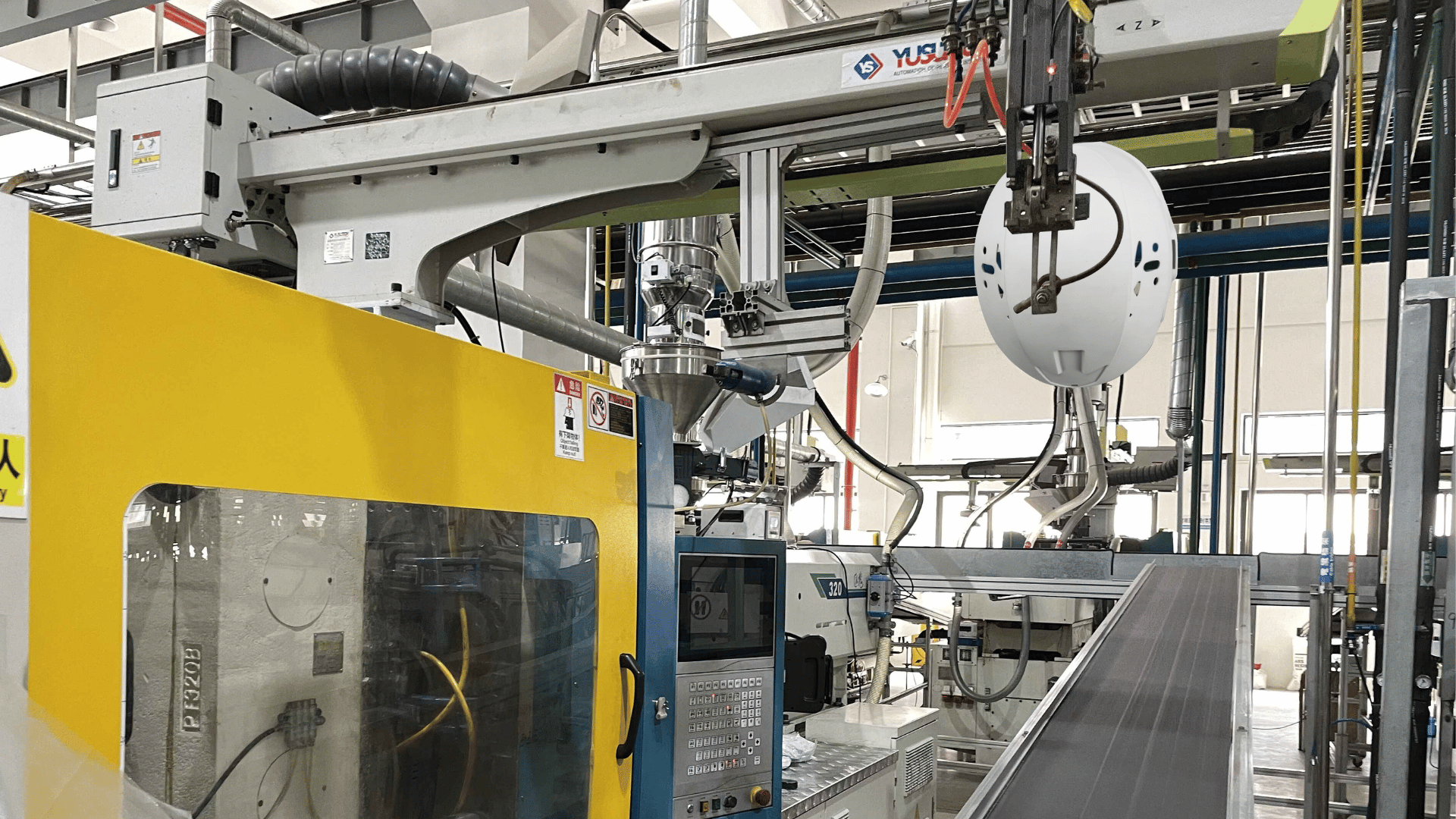
Our injection molding capabilities also support the development and production of helmet shells and related components.
Why does this matter?
Because changing the design after testing has begun can mean additional samples, engineering work, and potentially repeated testing.
Step 3: Prepare Technical Documentation
European PPE conformity assessment involves more than submitting a helmet sample.
Manufacturers must prepare technical documentation appropriate to the product and its risks.
This can include product drawings, material and component information, risk assessments, applicable standards, test reports, labels, user instructions, and manufacturing-control information.
For private-label helmet projects, it’s also important to establish which company has the legal manufacturer’s responsibilities.
A business placing PPE on the EU market under its own name or trademark may assume manufacturer obligations under EU legislation.
Step 4: Complete the Required Testing and Conformity Assessment
Industrial safety helmets intended for ordinary mechanical head-impact hazards are generally classified as Category II PPE under EU rules.
The typical conformity-assessment process involves:
- Module B: EU type-examination by an EU notified body.
- Module C: Conformity to the approved type through internal production control.
The notified body evaluates the product and relevant technical documentation as required by the applicable procedure.
Different or additional procedures may apply to PPE intended to protect against certain high-risk hazards.
Important: A helmet factory does not independently issue an EU type-examination certificate. The required assessment is performed by the appropriate notified body.
Aurora Sports can help coordinate product preparation, samples, engineering information, and testing support as part of the development process.
Step 5: Prepare the EU Declaration of Conformity and Markings
Once the applicable conformity requirements have been fulfilled, the responsible manufacturer prepares the EU Declaration of Conformity.
The helmet must also carry the required markings and be accompanied by appropriate instructions.
Depending on the product and market, these may include manufacturer identification, model information, traceability details, applicable standards, warnings, and language-specific instructions.
The final markings and documentation must reflect the actual approved product configuration.
EN 397 vs. ANSI Z89.1: Are European and U.S. Helmet Standards the Same?
No. European and U.S. industrial safety helmet standards are different, even though both address head protection.
This is particularly important for brands selling helmets internationally.
| European market | U.S. market |
|---|---|
| EN 397 | ANSI/ISEA Z89.1 |
| EU PPE Regulation 2016/425 | OSHA workplace requirements |
| CE conformity-assessment process | ANSI-based performance and compliance framework |
| European marking and documentation requirements | U.S. marking and manufacturer requirements |
| European performance and testing criteria | Type I/II and Class C/G/E classifications |
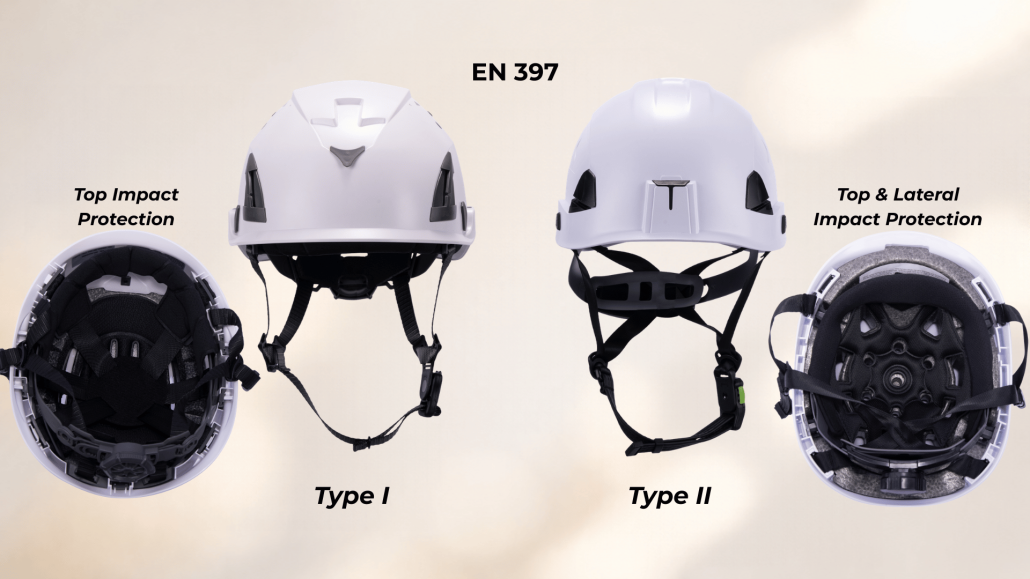
 In the United States, ANSI/ISEA Z89.1 uses two important classification systems.
Helmet Type — Impact Protection
- Type I: Primarily top-impact protection
- Type II: Additional lateral-impact protection requirements
Helmet Class — Electrical Protection
- Class C: No electrical protection
- Class G: General electrical protection
- Class E: Higher electrical-protection requirements
European EN 397 requirements are organized differently and cannot simply be converted into ANSI classifications.
For example, a helmet that meets ANSI Type II Class E requirements does not automatically meet EN 397 or other applicable European standards.
For more information about U.S. electrical classifications, read our related article:
Class C vs. Class E Safety Helmets: What’s the Difference?
Can the Same Safety Helmet Meet Both EN 397 and ANSI Standards?
Potentially, yes.
But meeting one standard does not automatically establish compliance with the other.
A helmet intended for both European and U.S. markets must be evaluated against the applicable requirements for each market.
Differences may involve impact testing, penetration testing, environmental conditioning, electrical performance, markings, and documentation.
Additional testing or design changes may be necessary.
For international helmet brands, this creates an important manufacturing consideration.
If you plan to sell the same helmet in both markets, discuss your target standards with your manufacturing partner before investing in molds and tooling.
Planning for both markets from the beginning may be more efficient than trying to modify a finished product later.
What About Electrical Protection? Is EN 397 Enough?
Not necessarily.
Meeting EN 397 requirements does not automatically mean a helmet is suitable for every electrical hazard.
For helmets intended for work on or near live electrical installations, EN 50365 may also be relevant.
Electrical-protection requirements can influence shell materials, ventilation, hardware, accessories, and the complete helmet design.
Depending on the intended protective claims and risk category, additional conformity-assessment requirements may apply.
For brands supplying electrical contractors or utility companies, it’s important to define these requirements before development begins.
Do Helmet Accessories Affect European Certification?
Yes, they can.
Many industrial safety helmet buyers want more than a basic helmet. They may also need visors, face shields, hearing protection, chin straps, headlamp attachments, and replacement components.
For brands and distributors, offering complete helmet and accessory configurations can create additional value for customers.
But compatibility matters.
Adding or changing an accessory may affect the helmet’s impact performance, electrical properties, retention system, or approved configuration.
That’s why accessory selection should be considered during development rather than treated as an afterthought.
At Aurora Sports, our manufacturing and assembly services can help customers coordinate helmet components and suitable accessories through one manufacturing partner.
Available configurations must still be evaluated for compatibility and applicable testing requirements.
Looking for a European Safety Helmet Manufacturer?
Understanding EN 397 and CE marking is the first step.
The next challenge is finding a manufacturing partner who understands how these requirements affect product development.
At Aurora Sports, we support industrial safety helmet brands, importers, and distributors through different manufacturing approaches.
Private-Label Safety Helmets
Want to introduce safety helmets under your own brand?
Starting with an existing helmet platform may help reduce the amount of new product development required.
Depending on the model, customization options may include logos, colors, packaging, and compatible accessories.
Certification coverage and legal manufacturer responsibilities must be reviewed for the proposed private-label configuration.
ODM Safety Helmet Development
Need a helmet solution tailored to your market?
Aurora Sports can help evaluate available platforms, design options, components, and feasible modifications.
Depending on the project, additional tooling, testing, or certification work may be required.
OEM Safety Helmet Manufacturing
Already have your own helmet design or technical specifications?
Our team can review manufacturing feasibility, tooling, materials, component production, and assembly requirements.
For new products, we can also help coordinate development activities and testing preparation.
One Manufacturing Partner, From Concept to Production
Developing a safety helmet can involve multiple stages and suppliers.
Aurora Sports helps customers coordinate key parts of the process:
Product Requirements → Engineering → Prototyping → Tooling → Testing Support → Manufacturing → Assembly → Quality Control → Packaging
Working with one manufacturing partner can help simplify communication, improve coordination, and identify potential production challenges earlier.
Our goal is to help customers develop practical, market-ready helmet solutions while keeping the required safety and conformity processes in view.
Frequently Asked Questions About EN 397 and CE Marking
- Is EN 397 the same as CE certification?
No. EN 397 is a technical standard for industrial safety helmets. CE marking indicates conformity with applicable EU legislation following the required conformity-assessment process. - Can a helmet pass EN 397 testing without being CE marked?
Yes. A laboratory test report alone does not establish that all EU conformity-assessment and documentation requirements have been completed. - Does an ANSI-approved hard hat automatically meet EN 397?
No. ANSI/ISEA Z89.1 and EN 397 have different requirements. A helmet intended for both markets must be evaluated against the applicable requirements of each. - Does every EN 397 helmet provide electrical protection?
No. Electrical protection depends on the specific helmet design, applicable requirements, testing, and claims. - Can a private-label safety helmet use an existing CE certificate?
Not automatically. The product configuration, certificate scope, branding arrangements, and legal manufacturer responsibilities must be reviewed. A change in design or components may require additional assessment. - Can Aurora Sports help develop safety helmets for Europe?
Yes. Aurora Sports can evaluate private-label, OEM, and ODM industrial safety helmet projects for European markets, including engineering, tooling, manufacturing, and coordination of testing preparation. Applicable certification must be completed through the appropriate conformity-assessment process.
Planning to Sell Safety Helmets in Europe? Start With the Right Manufacturing Partner.
Bringing an industrial safety helmet to the European market involves more than producing a quality product.
It requires understanding the intended application, selecting the appropriate standards, planning the required testing, and making sure the production configuration matches the assessed design.
For helmet brands and distributors, making these decisions early can help reduce unnecessary development work and avoid delays.
At Aurora Sports, we combine helmet manufacturing experience with practical product-development support to help customers move from concept to production.
Whether you’re expanding your existing PPE product line, developing a private-label safety helmet, or exploring a new OEM/ODM project, we’re here to discuss the possibilities.
Tell us your target market, required standards, customization needs, and estimated order quantity.
Let’s explore how Aurora Sports can help bring your next industrial safety helmet project to life.
Aurora Sports — Your Brand. Our Manufacturing Experience. Built Around Your Market.
Contact Us:
📱 +1 (657) 762-7550


