Smart Helmet Development

Integrating Helmet Engineering With Third-Party Smart Technology

Developing a smart helmet involves much more than adding electronic components to an existing helmet.

Lighting systems, cameras, communication modules, sensors, batteries and controls can influence the helmet’s:

Structure + EPS Geometry + Fit + Ventilation + Weight Distribution + Component Layout + Assembly + User Experience

At Aurora Sports, our expertise is in helmet product development and the mechanical integration of smart technologies.

Aurora does not normally manufacture the electronic components themselves. Instead, we work with specialized third-party electronic suppliers, technology partners, or customer-nominated suppliers and integrate their systems into a practical, manufacturable helmet.

Our role can cover:

Concept → Helmet Architecture → Industrial Design → Mechanical Engineering → Third-Party Electronic Integration → Prototype → Tooling → Assembly Development → Validation → Mass Production


Smart Helmet Features We Can Integrate

Depending on the project and available third-party technology, Aurora can help develop helmets incorporating functions such as:

  • LED lighting
  • Front and rear lights
  • Turn indicators
  • Bluetooth communication
  • Speakers and microphones
  • Cameras
  • GPS-related modules
  • Sensors
  • Electric ventilation fans
  • Control buttons
  • Battery systems
  • Charging interfaces
  • Other smart functions

The electronic systems themselves are typically supplied by specialized electronics manufacturers or technology partners.

Aurora focuses on making those components work successfully within the complete helmet.


Our Expertise: Mechanical Integration

We Engineer the Helmet Around the Technology

Once the electronic components are selected, Aurora can engineer the helmet structure around them.

This may involve determining where to position:

  • Electronic modules
  • Batteries
  • Cameras
  • Speakers
  • Microphones
  • Sensors
  • LED modules
  • Buttons
  • Charging ports
  • Wiring
  • Connectors

while considering:

  • EPS geometry
  • Shell structure
  • Ventilation
  • Fit-system clearance
  • Weight distribution
  • User comfort
  • Component access
  • Assembly sequence
  • Appearance
  • Manufacturing feasibility

This is where Aurora’s helmet-specific engineering experience becomes particularly valuable.


Mechanical Housings & Integration Components

Although Aurora does not normally manufacture the electronics themselves, we can design and manufacture many of the mechanical parts required to integrate them into the helmet.

These may include:

  • Electronic housings
  • Battery compartments
  • Camera housings
  • Sensor housings
  • LED housings
  • Light lenses and surrounding structures
  • Button housings
  • Charging-port covers
  • Mounting brackets
  • Plastic clips
  • Protective covers
  • Cable-routing features
  • Internal mounting structures

These components can be developed through Aurora’s product engineering, tooling and plastic injection molding capabilities.


Working With Specialized Electronics Suppliers

Smart helmet development is often a collaborative process.

A typical project may involve:

Electronics / Technology Partner

Provides:

  • PCB
  • Electronic modules
  • Sensors
  • Cameras
  • Bluetooth technology
  • Batteries
  • Firmware
  • Software
  • Electronic engineering

Aurora Sports

Provides:

  • Helmet industrial design
  • Helmet mechanical engineering
  • EPS integration
  • Shell engineering
  • Electronic packaging
  • Plastic housings
  • Tooling
  • Prototyping
  • Fit and comfort integration
  • Assembly engineering
  • Helmet manufacturing
  • Quality control
  • Final product assembly

Together, these capabilities can turn separate technologies and helmet components into one integrated product.


Customer-Nominated Electronics Are Welcome

Some customers already have their own preferred electronics supplier or proprietary technology.

Aurora can work with the customer’s selected technology partner.

For example, the customer may provide:

Electronic Specifications + Component Dimensions + Interface Requirements + Samples

Aurora can then develop the surrounding:

Helmet Structure + EPS + Shell + Housing + Mounting + Wiring Routes + Assembly Interfaces

This allows customers to maintain control over their proprietary technology while Aurora focuses on helmet engineering and manufacturing.


Aurora Can Also Help Source Electronic Components

For customers who do not already have an electronics partner, Aurora can help coordinate with suitable third-party suppliers based on the project requirements.

Depending on availability and project needs, this may involve sourcing or coordinating components such as:

  • Lighting modules
  • Bluetooth modules
  • Speakers
  • Microphones
  • Cameras
  • Sensors
  • Batteries
  • Charging components
  • Switches
  • Other electronics

These components remain products of the respective specialist suppliers.

Aurora’s role is to help select, coordinate and integrate them into the finished helmet manufacturing program.


Modular Smart Helmet Design

Modular design is particularly useful for electronic helmets.

Where practical, Aurora can engineer electronic functions as separate modules.

For example:

LED + Housing + Electronics
→ Lighting Module

Speaker + Microphone + Controls
→ Communication Module

Camera + Housing + Mounting Interface
→ Camera Module

This approach can make the product easier to:

  • Assemble
  • Test
  • Replace
  • Customize
  • Troubleshoot
  • Manufacture

It may also allow one helmet platform to support several configurations.

For example:

Base Model → Lighting Model → Communication Model → Advanced Smart Model

Modular by Design. Easier to Integrate. Easier to Manufacture.


Battery, Wiring & Charging Integration

Electronic-component placement needs to be considered early in the design process.

Aurora can help engineer mechanical solutions for:

  • Battery positioning
  • Battery housings
  • Charging-port positioning
  • Cable channels
  • Wiring routes
  • Connector access
  • Protective covers

The electronic supplier remains responsible for appropriate electronic-system specifications, while Aurora focuses on integrating those components into the helmet architecture.


Prototype & Integration Development

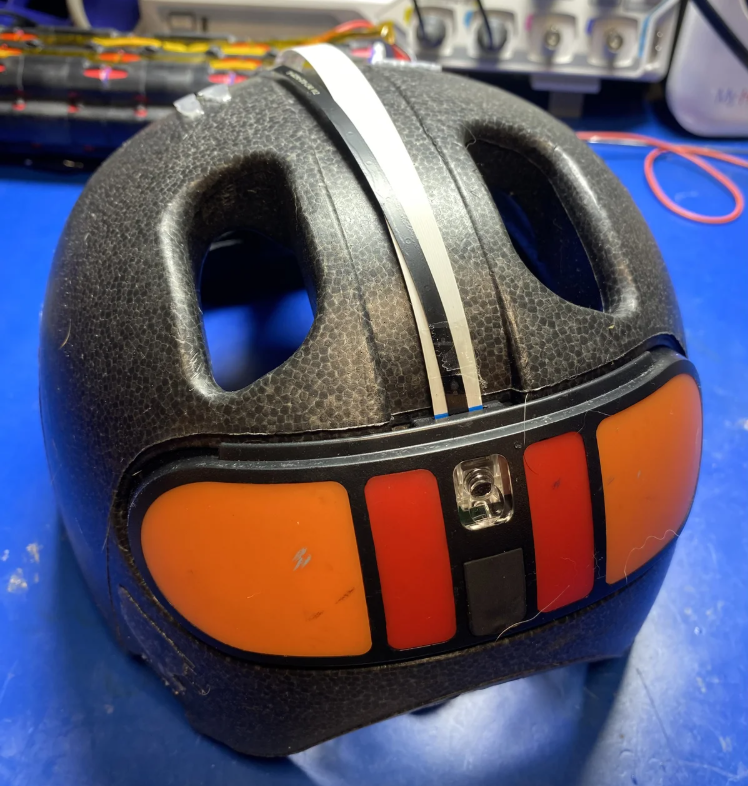
Physical prototypes are especially important for smart helmets.

Aurora can develop prototypes to evaluate:

  • Electronic component positioning
  • Housing geometry
  • Battery location
  • Wiring routes
  • Weight distribution
  • Button accessibility
  • Camera position
  • Lighting position
  • Speaker position
  • Fit-system clearance
  • Ventilation
  • Assembly

The development cycle may involve:

Prototype → Assemble → Evaluate → Modify → Retest → Optimize

before production tooling is finalized.

Assembly of Third-Party Electronics Into the Helmet

Depending on the project, Aurora can also integrate approved third-party electronic components during final helmet assembly.

A production flow may include:

Third-Party Electronic Components

Aurora Mechanical Housings / Components

Electronic Subassembly

Helmet Integration

Functional Check

Final Helmet Assembly

Quality Control

Packaging

For electronic functionality itself, test procedures and acceptance criteria can be established together with the electronic supplier and customer according to the particular system.


Smart Helmet Applications

Aurora can support smart helmet development for applications such as:

Cycling & Urban Mobility

  • Bicycle helmets
  • E-bike helmets
  • Scooter helmets
  • Urban mobility helmets

Potential functions may include lighting, communication, turn indicators, cameras and other connected features.

Industrial & Professional Headwear

Potential integrations may include:

  • Communication systems
  • Cameras
  • Lighting
  • Sensors
  • Location-related modules
  • Electronic identification
  • Other professional technologies

Specialty & Custom Head-Worn Products

Aurora can also evaluate smart head-worn products combining:

Plastic Components + EPS + Textiles + Padding + Third-Party Electronics + Sensors + Fit Systems


From Smart Concept to Production

A working electronic module is only one part of a finished smart helmet.

Aurora helps bridge the gap between the technology and the production-ready product.

Our capabilities can support:

**Helmet Product Engineering

  • Industrial Design
  • Mechanical Integration
  • Third-Party Electronics Coordination
  • Modular Design
  • EPS Engineering
  • Injection-Molded Housings
  • Prototyping
  • Tooling & CNC
  • Assembly Development
  • Quality Control
  • Mass Production**

This allows specialized electronics suppliers to focus on the technology while Aurora focuses on turning that technology into a manufacturable helmet.


What Aurora Does — and What Our Technology Partners Do

For clarity:

Aurora’s Expertise

Helmet Design + Mechanical Engineering + EPS + Shells + Plastic Components + Housings + Tooling + Prototyping + Integration + Assembly + Manufacturing

Third-Party Electronics Expertise

PCB + Firmware + Software + Sensors + Bluetooth Modules + Cameras + Batteries + Electronic Systems

The two sides work together to create the complete smart helmet.

This collaborative model allows each specialist to focus on what they do best.

Why Work With Aurora for Smart Helmet Development?

Aurora can support:

  • Helmet product architecture
  • Industrial design
  • Mechanical electronic integration
  • Electronic housing design
  • EPS integration
  • Shell engineering
  • Battery and charging-port integration
  • Wiring-route design
  • Modular smart components
  • Third-party electronics coordination
  • Customer-nominated electronics integration
  • Prototype development
  • Tooling & CNC
  • Injection-molded housings
  • Assembly-process development
  • Electronic-component integration into final helmets
  • Quality control
  • OEM/ODM manufacturing
  • Mass production

Aurora Doesn’t Need to Manufacture the Electronics to Build a Better Smart Helmet.

Our expertise is in engineering the helmet around the technology and bringing the complete product into production.

Confidential Smart Product Development

Customers can begin by sharing a general overview of the smart-helmet concept and desired functionality.

Before proprietary electronics information, CAD files, drawings, specifications, prototypes or other confidential information is exchanged, Aurora Team can propose an NDA for both parties to review and sign.

Aurora can then coordinate with the customer and relevant technology partners during detailed development.