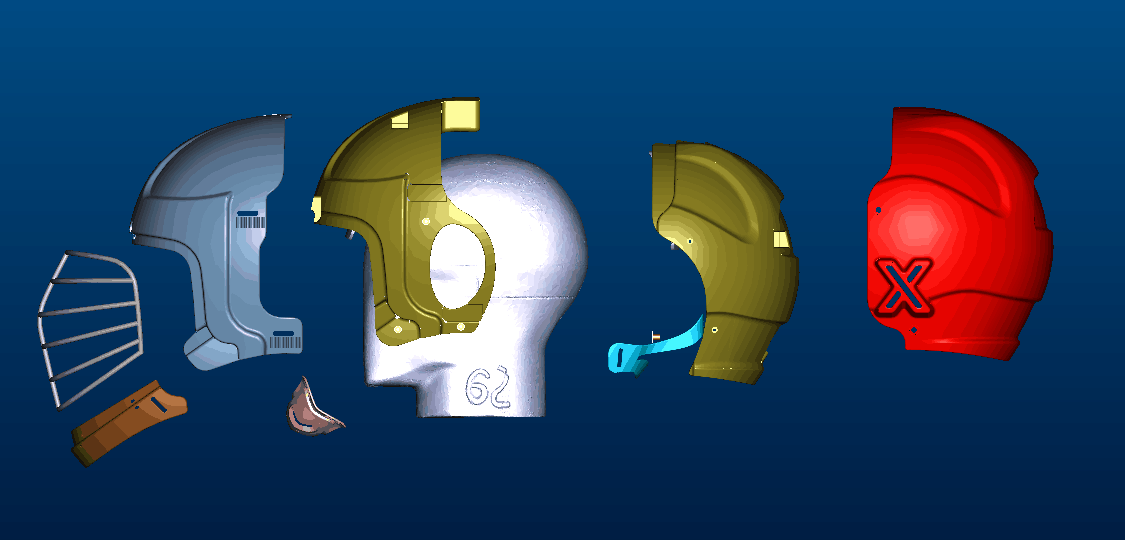
Specialized Products Often Require Custom Components
Standard helmet components do not solve every specialized problem.
A new helmet may require custom development of:
- Fit systems
- Chin straps
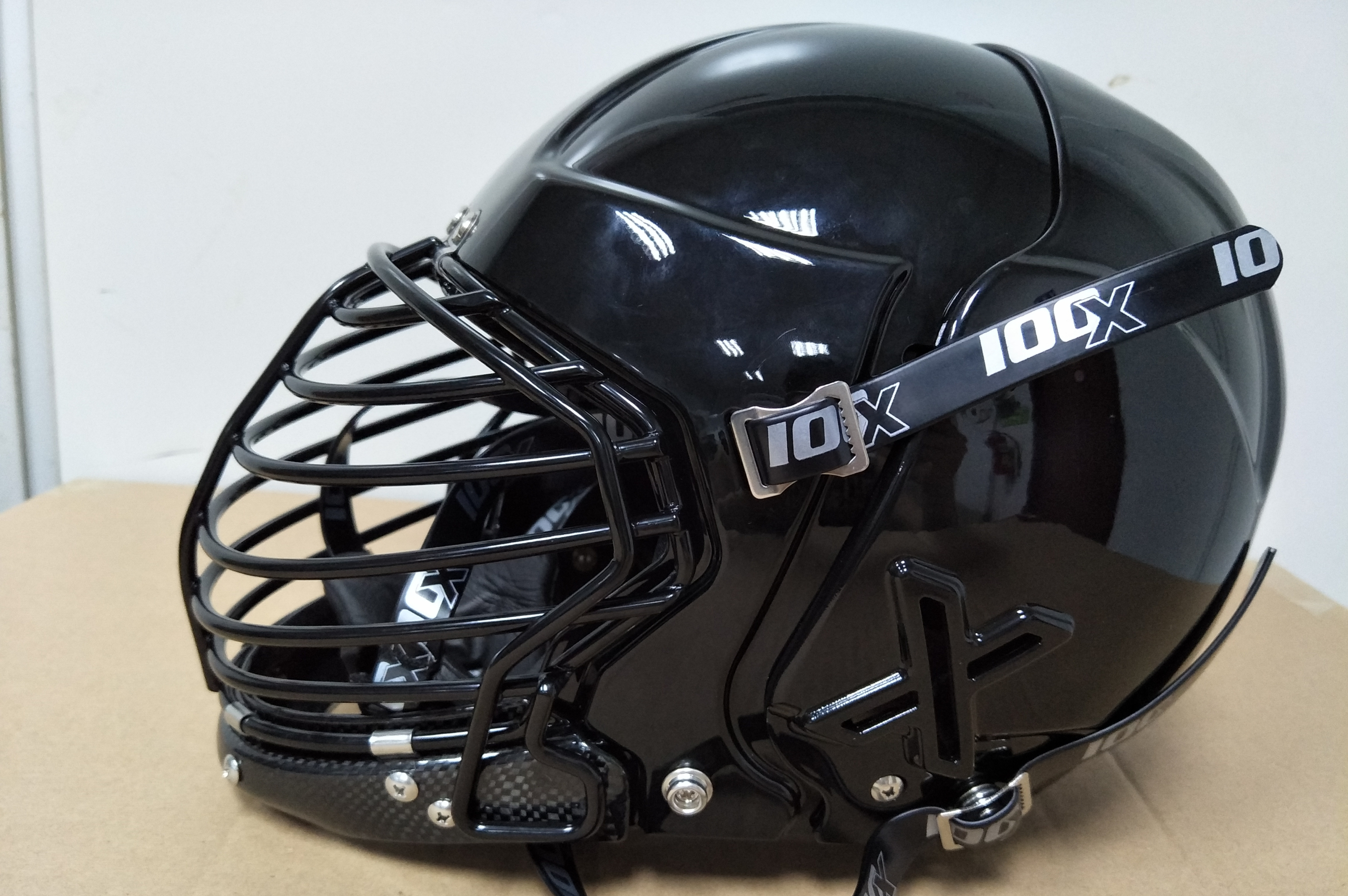
- Face guards
- Visors
- Ear protection
- Communication-system interfaces
- Camera mounts
- Lighting
- Sensors
- Electronics
- Padding
- Reinforcement structures
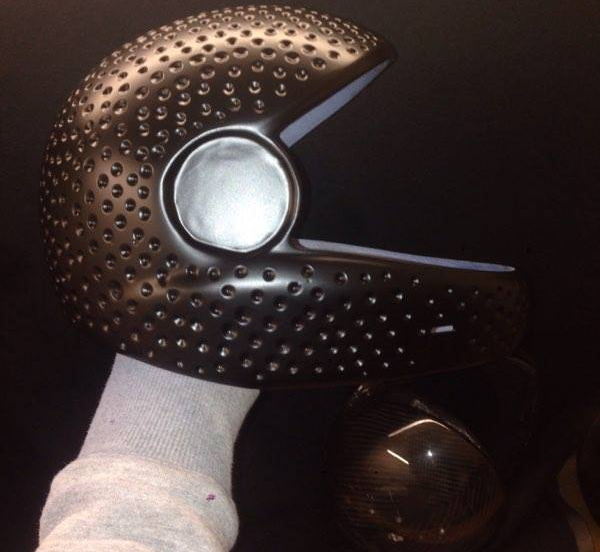
- Ventilation systems
- Detachable accessories
These components must work together as part of the complete product.
Aurora’s capabilities in helmet engineering, plastic injection molding, textile development, composites, prototyping and assembly allow these requirements to be considered together.
Prototyping Is Critical
Special application helmets often require more development iterations because there may be no existing platform to follow.
Prototypes can help evaluate:
- Shape and proportions
- Coverage
- Fit
- Visibility
- Retention
- Padding
- Accessory locations
- Electronics integration
- Weight
- User interaction
- Manufacturing feasibility
Depending on the project, Aurora can use:
- 3D printing
- CNC machining
- Appearance prototypes
- Structural prototypes
- Functional prototypes
- Production-intent samples
A typical development cycle may involve:
Design → Prototype → Evaluate → Modify → Prototype Again
Identifying issues during prototyping can help reduce costly changes after production tooling has been created.
Testing Must Match the Application
There is no single universal helmet testing program suitable for every type of head protection.
A bicycle helmet, bull riding helmet, skydiving helmet, industrial safety helmet or specialized protective device may have very different:
- Hazards
- Performance requirements
- Test methods
- Conditioning procedures
- Laboratory equipment
- Certification pathways
Development should therefore begin with:
Application → Target Market → Applicable Requirements → Testing Strategy → Engineering Plan
Aurora’s in-house laboratory capabilities can support development testing, prototype evaluation, engineering validation and pre-certification preparation.
Where independent certification is required, formal certification should be carried out according to the applicable requirements through the appropriate qualified third-party laboratory or certification body.
A New Helmet Category Requires More Than a New Mold
Creating a new external shape does not automatically create a properly developed helmet.
Moving into a new application may require:
Application Knowledge + Engineering + Standards Research + Materials + Specialized Testing + Tooling + Components + Manufacturing + Quality Control
This is particularly important when moving between very different product categories.
A manufacturer experienced in one type of sports helmet should not automatically be assumed capable of immediately producing a specialized industrial, medical or extreme-sports helmet.
The complete development system must support the intended application.
Engineering Around the User
Special application development begins by understanding how the product will actually be used.
Our development team may consider questions such as:
- What activity is the user performing?
- What movements are involved?
- Where is additional coverage required?
- What must the user be able to see and hear?
- How long will the product be worn?
- What environmental conditions will it encounter?
- Does it need to work with other equipment?
- Are gloves used when operating adjustments?
- Are cameras, communication systems or sensors required?
- How should the weight be distributed?
- How will the product be cleaned and maintained?
These requirements can significantly influence the final helmet architecture.
The application defines the product—not the other way around.
From Special Concept to Mass Production
Aurora supports specialized helmet development through an integrated process:
Application & User Requirements
↓
Industrial Design
↓
Helmet Engineering
↓
Material & Construction Selection
↓
Rapid Prototyping
↓
Fit & Functional Evaluation
↓
Development Testing
↓
Design Optimization
↓
Tooling
↓
Production-Intent Samples
↓
Certification Support
↓
Pilot Production
↓
Quality Verification
↓
Mass Production
By connecting product development with manufacturing, production feasibility can be considered while the helmet is still being engineered.
Special Application Helmets & Head-Worn Products We Can Evaluate
Extreme & Action Sports
- Bull riding helmets
- Skydiving helmets
- Water sports helmets
- Adventure sports helmets
- Specialized racing helmets
Aviation & Air Sports
- Skydiving helmets
- Paragliding helmets
- Paramotor helmets
- Specialized recreational aviation headgear
Sports & Competition
- Specialized equestrian helmets
- American football helmet projects
- Racing helmets
- Competition-specific protective headgear
Safety & Professional Applications
- Specialized industrial helmets
- Work-at-height helmets
- Rescue helmets
- Application-specific protective headgear
Medical, Therapeutic & Wellness Applications
- Hair-growth / scalp-treatment headwear
- Sleep and relaxation head-worn devices
- Sensor-integrated headgear
- Rehabilitation headwear
- Medical support devices
- Smart and electronic head-worn products
Emerging Applications
Aurora can also evaluate:
- Smart helmets
- New mobility helmets
- Technology-integrated helmets
- New sports
- Specialized outdoor applications
- Custom occupational head protection
- New protective products without an established category
Why Develop a Special Application Helmet With Aurora?
Specialized helmet development requires communication between multiple technical disciplines.
Aurora brings together:
Industrial Design + Helmet Engineering + Prototyping + Laboratory Testing + Tooling + EPS + Plastic Injection + Carbon Fiber + Textiles + Electronics Integration Support + Assembly + Quality Control
Our experience developing products such as bull riding helmets and carbon fiber skydiving helmets demonstrates the type of projects our teams are prepared to evaluate—products that require new engineering solutions rather than simply new graphics.
Have a Helmet Idea That Does Not Exist Yet?
Some of the most interesting product-development projects begin with a simple question:
“Can this be made?”
Start by sharing a general overview of:
- The application
- Intended user
- Target market
- Problem you want to solve
- Key product requirements
- Expected production needs
You do not need to provide confidential CAD data during the initial discussion.
For projects involving unreleased products, inventions or proprietary technology, an NDA can be established before confidential drawings, CAD files, prototypes, samples or technical information are shared.
Talk to Aurora Sports about your next special application helmet or custom head-worn product development project.