From Approved Sample to Consistent Mass Production
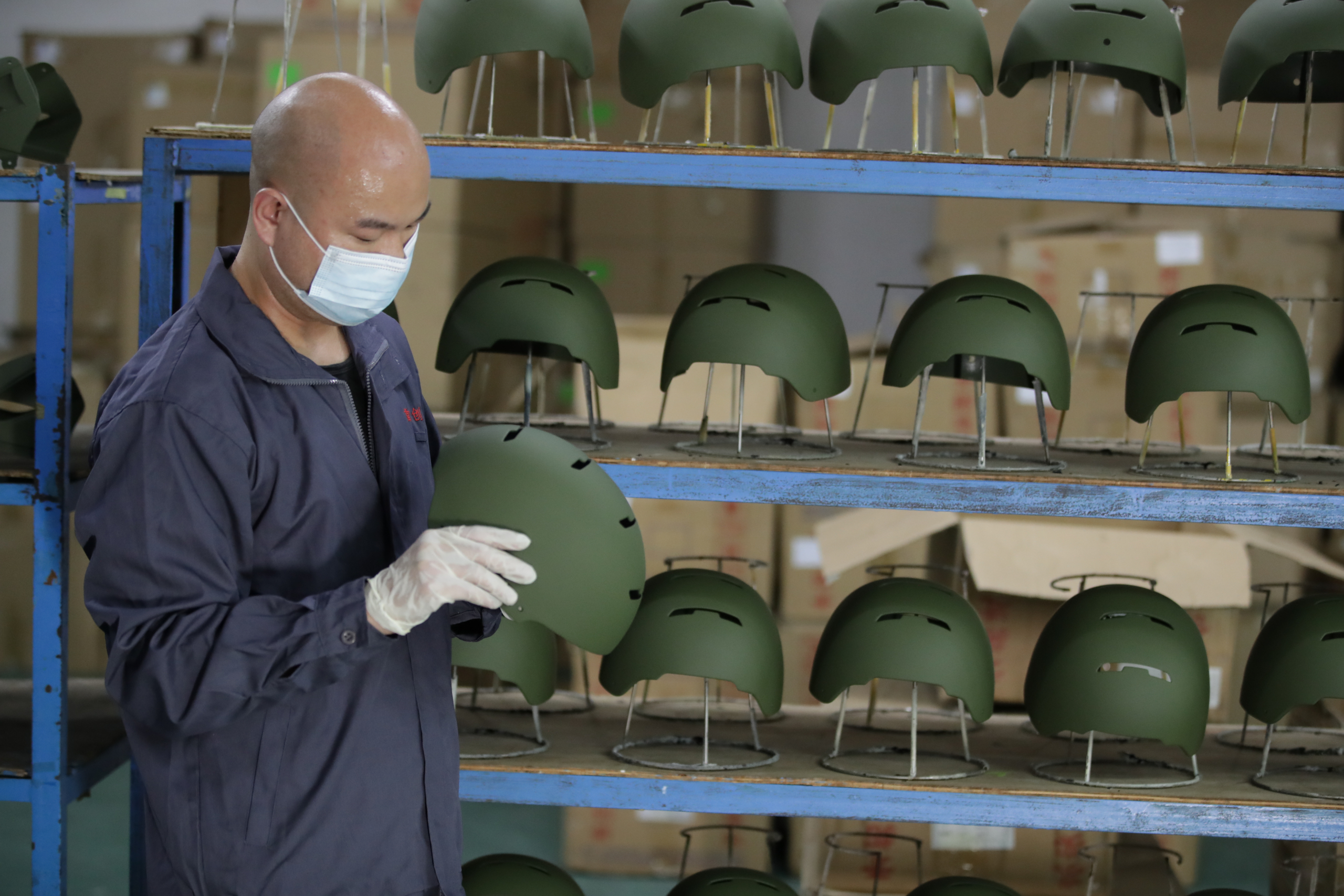
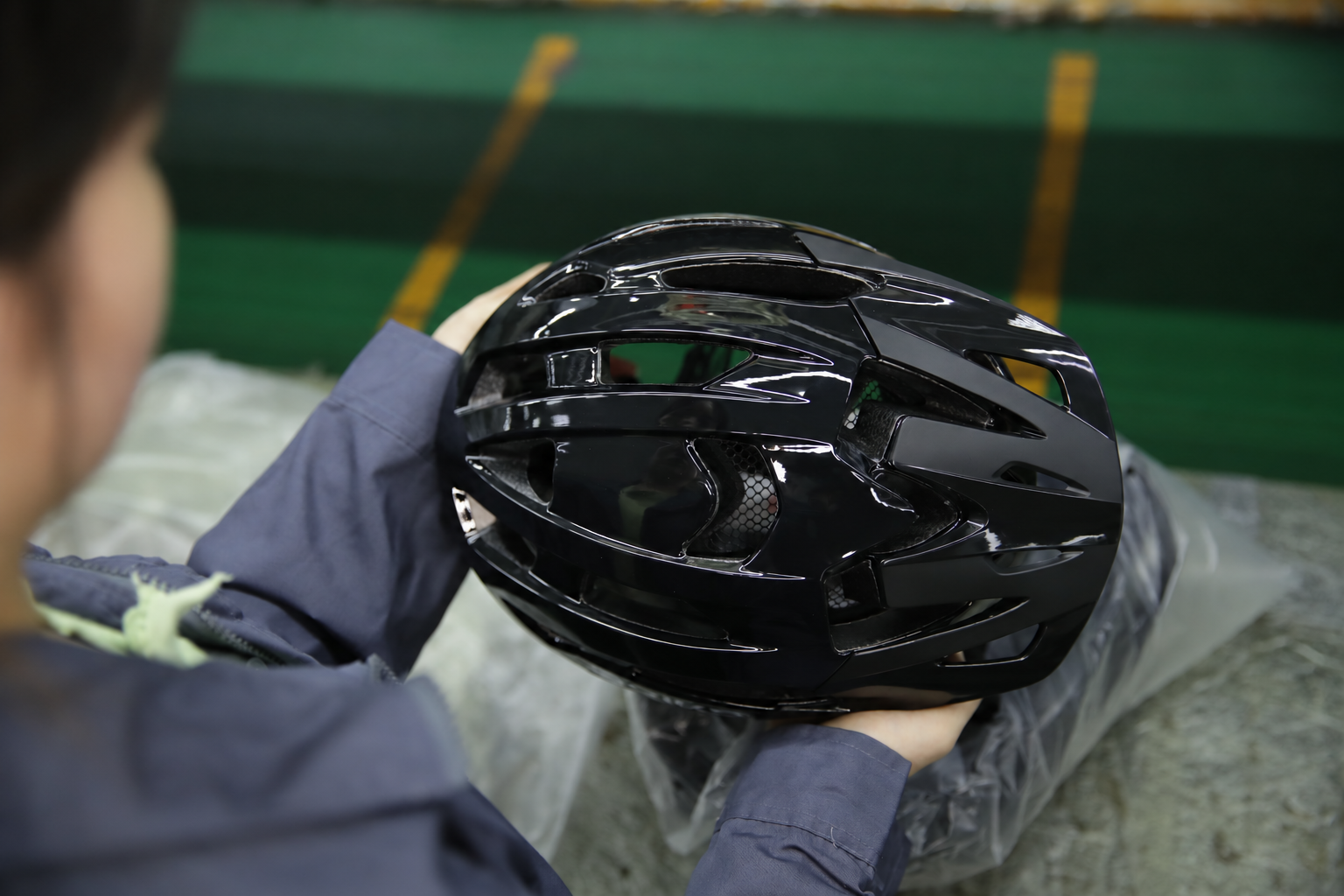
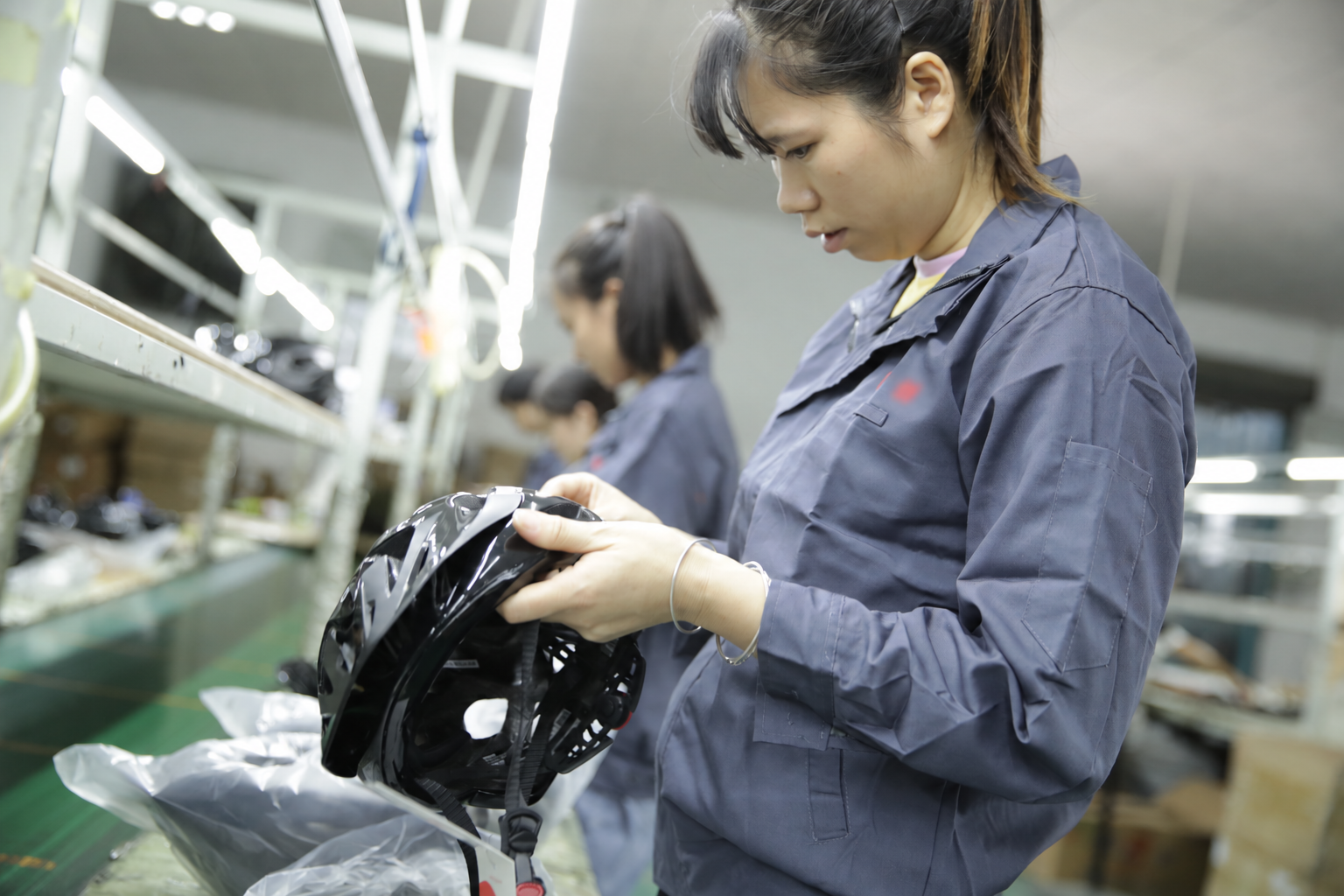
For our customers, quality control is not simply about having inspectors in the factory.
The real questions are:
Will the production helmet match what I approved?
Will the quality remain consistent from the first production lot to the next order?
Will problems be identified before the products are shipped?
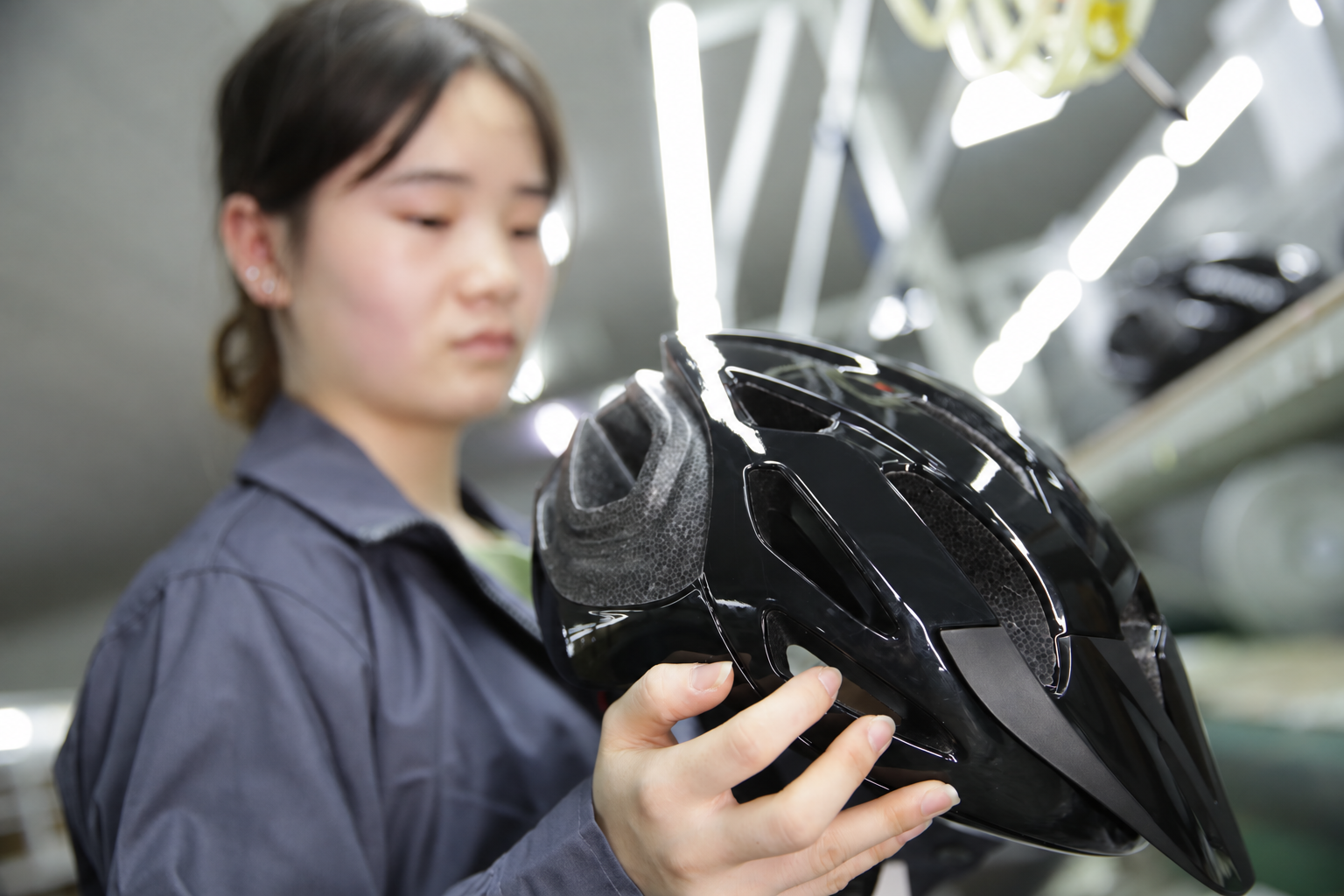
At Aurora Sports, our quality-control capabilities are integrated throughout helmet manufacturing—from incoming materials and molded components to graphics, assembly, packaging and final shipment inspection.
Our goal is simple:
Produce according to the approved standard, identify variation early, and prevent avoidable quality problems from reaching the customer.
What Aurora Can Control for Your Production
Depending on the product and customer requirements, Aurora can perform quality control across:
Raw materials
EPS molded components
Injection-molded components
PC shells
ABS shells
Carbon fiber and composite parts
Fit systems
Buckles and retention components
Visors
Textiles and padding
Graphics and decoration
Helmet assembly
Functional components
Accessories
Labels
Retail packaging
Master cartons
Final shipment preparation
Because Aurora develops and manufactures many of these parts within the same overall production system, our quality team can evaluate both the individual component and how that component performs in the complete helmet assembly.
Production Based on the Approved Sample
One of the biggest concerns for helmet brands is the difference between:
the sample they approved
and
what actually arrives in mass production.
Aurora can establish approved production references before mass production begins.
Depending on the program, these may include:
Approved helmet samples
Approved colors
Graphic artwork
Logo position
Finish standards
Component specifications
Fit-system configuration
Padding configuration
Packaging
Labels
Accessories
Key dimensions
An approved golden sample or production reference sample can be used as a benchmark during manufacturing and final inspection.
The objective is to ensure that production is compared against an agreed reference—not against someone’s memory of what the product should look like.
Incoming Material & Component Inspection
Problems are easier to control before they enter production.
Aurora can perform incoming inspection on relevant materials and purchased components before they are released for manufacturing.
Depending on the project, this may include:
EPS material
Polycarbonate sheets
ABS and plastic resins
Composite materials
Webbing
Fabrics
Padding materials
Buckles
Fit-system components
Visors
Fasteners
Accessories
Packaging materials
Incoming components may be checked against the approved specification, reference sample or applicable incoming-quality criteria.
This helps reduce the risk of an incorrect material or component being discovered only after the helmet has already been assembled.
EPS Molding Quality Control
For helmet production, the EPS liner is one of the most important molded components.
Aurora can perform production checks relating to:
EPS density
Molded weight
Dimensions
Bead fusion
Surface quality
Vent geometry
Internal channels
PC shell integration
Insert positioning
Reinforcement-frame positioning
Fit-system interfaces
General molding consistency
For EPS products incorporating molded-in plastic parts or mechanisms, we can also inspect the interface between the EPS and the embedded component.
This is particularly important where customers require:
Clean Fit + Accurate Positioning + Minimal Gaps + Consistent Assembly
Injection-Molded Component Inspection
Many helmet components are small, but their function can be critical to the final product.
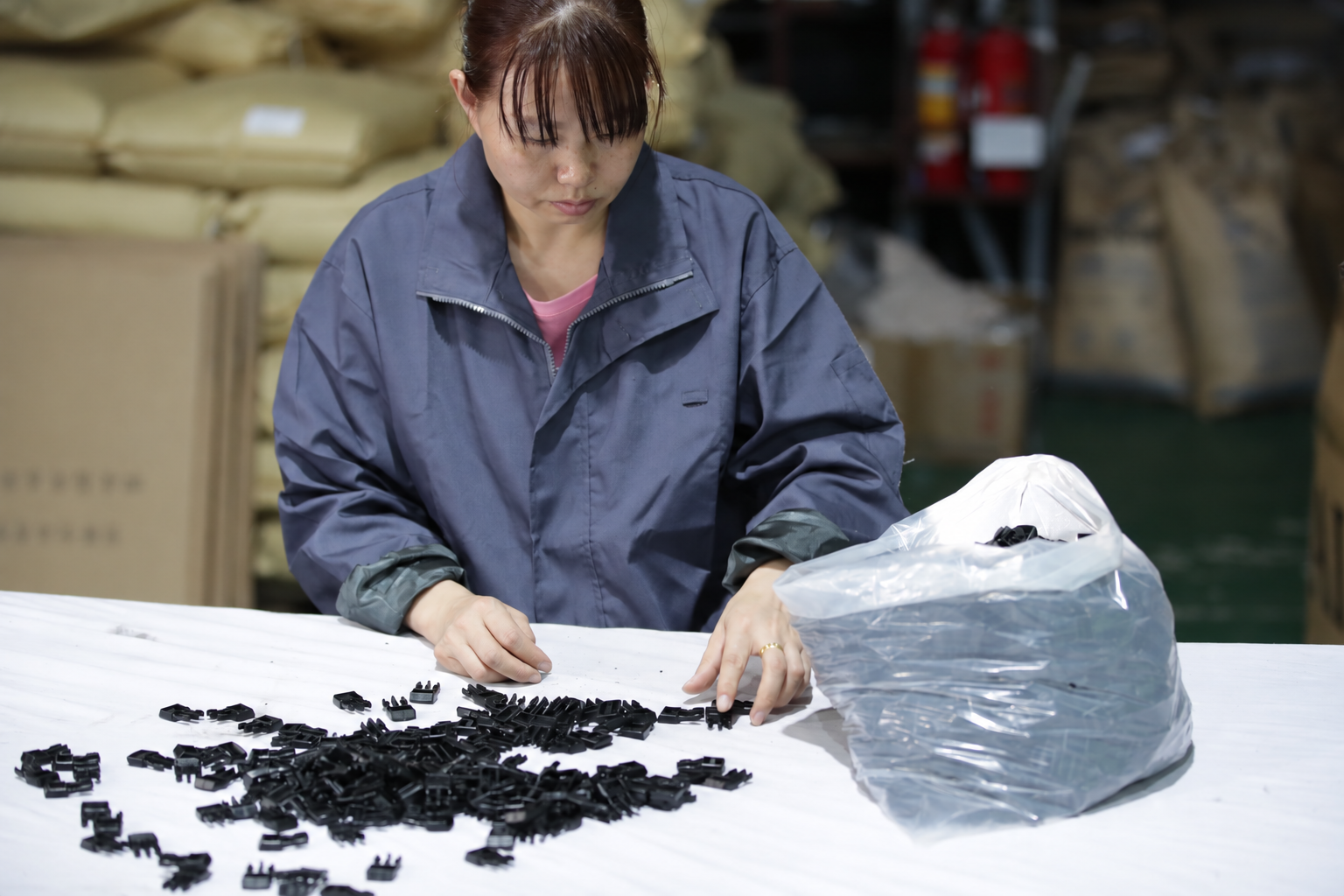
Aurora can inspect injection-molded components including:
Fit systems
Adjustment dials
Ratchets
Fit cradles
Standard buckles
Magnetic-buckle interfaces
Strap dividers
Reinforcement frames
Visors
Visor mechanisms
Accessory mounts
Safety-helmet components
Plastic shells
Depending on the part, checks can include:
Dimensions
Warpage
Flash
Sink marks
Short shots
Surface defects
Color consistency
Snap-fit performance
Moving mechanisms
Assembly compatibility
For functional components, Aurora can check more than appearance.
The component also needs to fit and operate correctly within the finished helmet.
Dimensional Inspection
Clients often worry about components that look correct individually but do not fit correctly during final assembly.
Aurora can perform dimensional checks on critical areas such as:
Shell interfaces
EPS geometry
Visor mounting positions
Fit-system attachment points
Reinforcement-frame positions
Accessory interfaces
Assembly gaps
Functional clearances
Where appropriate, measurements may be compared against:
Approved CAD
Engineering drawings
Production specifications
Reference samples
Inspection fixtures
Dimensional inspection can be particularly important for products involving several manufacturing technologies in one helmet.
Color, Graphics & Surface-Finish Inspection
For a helmet brand, cosmetic quality is part of product quality.
Customers may be especially concerned about:
Incorrect colors
Logo position
Misaligned decals
Graphic distortion
Scratches
Paint defects
Uneven gloss
Inconsistent matte finishes
Poor gradient transitions
Different appearance between production lots
Aurora can inspect finishing and decoration according to the approved visual standards.
Depending on the project, this may include:
Color comparison
Logo position
Artwork placement
Printing quality
Decal alignment
Surface finish
Matte / gloss / satin appearance
Gradient appearance
General cosmetic workmanship
For multi-shell helmets or complex graphics crossing vents and curved surfaces, alignment can be checked against the approved production sample.
Fit System & Adjustment Function
A helmet may look perfect but still create a customer complaint if the fit system does not operate smoothly.
Aurora can perform functional checks on components such as:
Adjustment dials
Ratchets
Sliders
Headbands
Fit arms
Adjustment ranges
Attachment points
Checks can help verify that the system:
Adjusts correctly
Moves smoothly
Remains securely assembled
Does not interfere with surrounding components
Matches the approved configuration
This is particularly important for OEM and ODM helmets with custom-developed fit systems.
Buckle & Retention Component Inspection
Buckles and retention components are another area where customers care about function as well as appearance.
Aurora can inspect:
Standard buckles
Magnetic-assisted buckle assemblies
Strap dividers
Webbing guides
Anchors
Chin straps
Retention-system components
Depending on the project, checks may include:
Correct assembly
Opening and closing function
Strap routing
Webbing positioning
Component fit
General operating consistency
For proprietary third-party buckle systems, Aurora can inspect their integration into the finished helmet according to the approved configuration.
Visor & Accessory Inspection
Aurora can perform inspection and functional checks on:
Fixed visors
Adjustable visors
Visor pivots
Mounting brackets
Camera mounts
Light mounts
Accessory rails
Clips
Electronic housings
Communication-device interfaces
Other helmet accessories
Clients often care particularly about:
alignment, movement, attachment security and consistent assembly.
These can be checked during component production and again after final assembly where appropriate.
Textile, Padding & Comfort Component Inspection
Soft goods also influence the perceived quality of the finished helmet.
Aurora can inspect helmet textile components such as:
Comfort padding
Removable liners
Chin pads
Ear pads
Webbing
Strap covers
Winter liners
Sunshades
Neck protection
Carrying bags
Quality checks may include:
Correct material
Shape and dimensions
Sewing quality
Positioning
Attachment
Appearance
Correct configuration
This helps ensure the helmet delivered to the customer matches the intended specification as a complete product.
Assembly Quality Control
Many quality issues do not originate from an individual component.
They happen when components are assembled together.
Aurora can perform in-process and final assembly checks relating to:
Fit-system installation
Strap routing
Buckle installation
Visor assembly
Padding installation
Reinforcement components
Accessories
Component orientation
Component security
General workmanship
Our inspectors can compare the finished assembly with the approved production configuration.
First-Piece & Start-of-Production Inspection
One of the most useful times to identify a problem is at the beginning of a production run.
Aurora can perform first-piece or initial production inspection before large-volume manufacturing continues.
Depending on the product, this can include reviewing:
Molded dimensions
Materials
Components
Colors
Graphics
Assembly
Function
Packaging
If an issue is identified, the production team can respond before the same problem is repeated across a large quantity.
In-Process Inspection
Aurora does not need to wait until every helmet is packed before checking production quality.
Inspection can be performed at appropriate stages throughout manufacturing.
Quality Control Supported by Our In-House Capabilities
One advantage of Aurora’s manufacturing structure is that QC problems can be investigated together with the teams responsible for making the product.
Our quality-control capability is supported by:
Product engineering
DFM
Precision tooling
CNC machining
EPS molding
Injection molding
PC vacuum forming
Composite manufacturing
Finishing
Textile production
Assembly
Laboratory testing
Packaging
For example, if a component does not fit correctly, the issue may be discussed directly with engineering, tooling and molding rather than simply rejecting the part without understanding the cause.
Quality Control & Laboratory Testing Are Different
Aurora’s Quality Control and Helmet Laboratory Testing capabilities support different objectives.
Quality Control
Focuses primarily on:
Is production consistent with the approved product and specification?
Laboratory Testing
Focuses primarily on:
How does the helmet perform during specified development, validation or production-verification tests?
The two functions can work together, but they should not be confused.
Where formal product certification is required, testing and certification should follow the applicable standard and certification requirements.
What Our Customers Ultimately Care About
Customers do not choose Aurora because we have inspection forms.
They care about the result.
They want:
The Product They Approved
Mass production should correspond with the approved sample and specification.
Consistency
The first shipment and subsequent production should remain controlled.
Fewer Surprises
Potential issues should be discovered as early as practical—not after the container arrives.
Clear Communication
If an important issue appears, the customer needs to understand what happened and what is being done about it.
Corrective Capability
A manufacturing partner should be able to identify whether a problem comes from tooling, material, molding, decoration, assembly or another source.
Complete Product Accuracy
The helmet, components, graphics, accessories, labels and packaging all need to be correct.
Continuous Improvement
Feedback should be converted into practical manufacturing improvements where appropriate.
These are the outcomes Aurora’s quality-control capabilities are designed to support.
From Approved Sample to Shipment
Aurora can support quality control throughout the complete manufacturing process:
Approved Specification & Sample
↓
Incoming Material Inspection
↓
First-Piece Inspection
↓
In-Process QC
↓
Component Inspection
↓
Assembly & Functional Checks
↓
Final Helmet Inspection
↓
Packaging Verification
↓
Pre-Shipment Inspection
↓
Customer Feedback & Continuous Improvement
Our objective is not simply to inspect finished helmets.
Our objective is to control the manufacturing process so the product reaching your customer consistently reflects the product you approved.
OEM, ODM & Private Label Quality Control
Aurora can tailor QC requirements for different types of programs.
OEM
Production can be evaluated against customer-provided and mutually approved designs, specifications, components and quality requirements.
ODM
Quality planning can begin during product engineering and continue through prototype development, tooling, validation and production.
Private Label
QC can focus on maintaining the approved helmet platform while controlling:
Regardless of the development model, the objective remains consistent production.
Discuss Your QC Requirements With Aurora
Every brand has different quality priorities.
At the beginning of a project, customers can discuss with Aurora:
Critical product requirements
Cosmetic expectations
Functional checks
Dimensional requirements
Packaging standards
Inspection requirements
Reference samples
Customer-specific QC criteria
For confidential OEM and ODM programs, customers can initially provide a general project overview.
Before proprietary CAD, drawings, specifications, samples or other confidential information is exchanged, Aurora Team can propose an NDA for both parties to review and sign.
Tell us what quality means for your brand, and we can discuss how to incorporate those requirements into the manufacturing and inspection process.