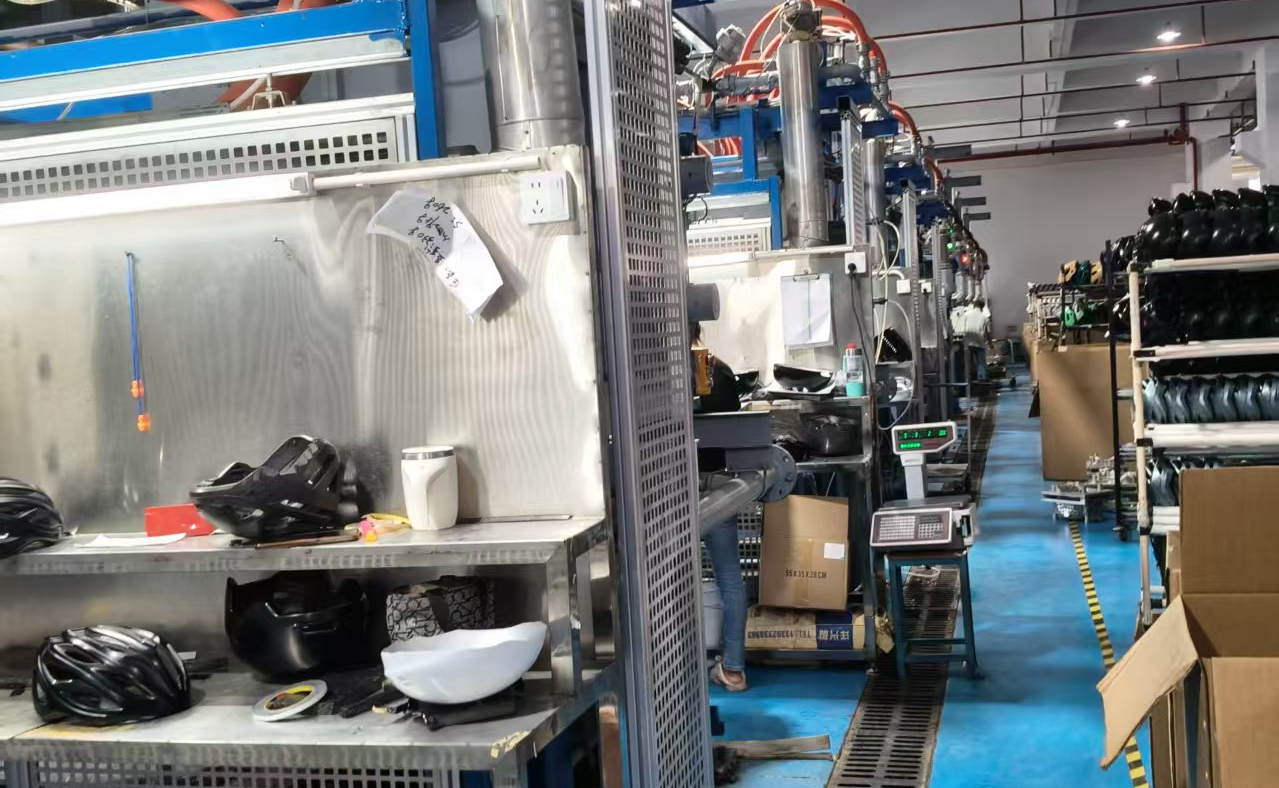
Custom-Engineered EPP Liners for Advanced Helmet Development
Expanded Polypropylene, commonly known as EPP, is a lightweight, resilient foam material used in protective products where impact-energy management, durability, weight, and design flexibility are important.
At Aurora Sports, we develop and manufacture custom EPP helmet liners as part of the complete helmet system.
Rather than selecting a foam liner independently, our engineering team considers how the EPP interacts with the:
Outer shell
Helmet geometry
Headform
Fit system
Comfort padding
Ventilation
Retention system
Accessories
Target weight
Intended certification standard
The result is an integrated helmet construction developed around the requirements of each individual project.
From material selection and engineering to tooling, molding, assembly, and mass production, Aurora supports the complete EPP helmet development process.
What Is EPP?
EPP — Expanded Polypropylene — is a closed-cell bead foam manufactured from polypropylene resin.
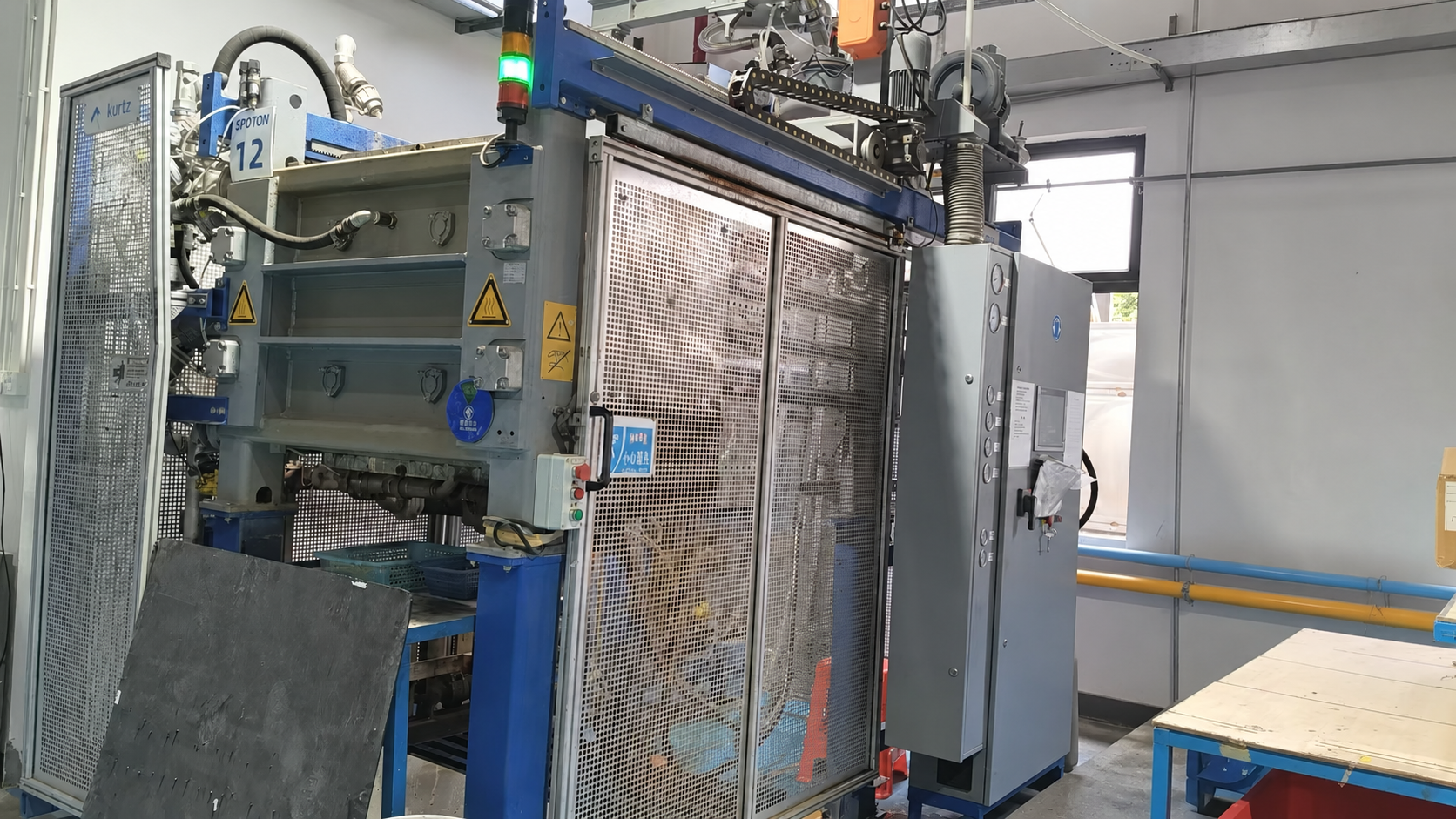
During production, expanded polypropylene beads are placed into a purpose-built mold and fused together using controlled steam, heat, and pressure.
This process allows EPP to be molded into complex three-dimensional structures specifically designed around the geometry of a helmet.
Depending on the material grade, density, thickness, geometry, and manufacturing process, EPP can offer characteristics such as:
Lightweight construction
Energy-absorbing capability
High strength-to-weight ratio
Resilience after compression
Moisture resistance
Chemical resistance
Thermal insulation
Complex three-dimensional molding
Integrated ventilation features
Design flexibility
However, material selection alone does not determine helmet performance.
The performance of an EPP liner depends heavily on density, thickness, geometry, molding quality, coverage, and how the liner is integrated into the complete helmet system.
How EPP Works in a Helmet
During an impact, the cellular structure of the EPP liner is designed to compress and deform, helping manage energy before it reaches the wearer.
One of the characteristics that distinguishes EPP from some other foam structures is its ability to recover more of its original shape after certain levels of compression.
For this reason, EPP may be considered for helmet applications where resilience and durability are important design objectives.
However, EPP should not automatically be described as making a helmet “multi-impact.”
Helmet performance depends on the complete finished construction, including:
Shell + Liner + Density + Geometry + Fit System + Retention System + Padding + Assembly
The finished helmet must ultimately be engineered and tested according to its intended application and applicable safety requirements.
Why Use EPP in Helmet Development?
Different helmet categories require different impact-management strategies.
EPP may be considered when a project requires a combination of:
Resilience
EPP can recover from certain levels of compression, making it useful in applications where material resilience is an important engineering consideration.
Lightweight Construction
Density and geometry can be engineered to help balance impact-management requirements with overall helmet weight.
Complex Geometry
Molded EPP can incorporate:
Ventilation channels
Fit-system locations
Padding attachment areas
Strap-routing features
Component clearances
Internal reinforcement
Assembly features
This gives helmet engineers greater flexibility when developing the complete internal architecture.
Durability
EPP offers good resistance to moisture and many chemicals and can maintain dimensional integrity under appropriate use conditions.
Design Flexibility
Different densities, thicknesses, zones, and geometries can be evaluated depending on the helmet category and performance objective.
More Than Foam: EPP Must Be Engineered as a System
At Aurora Sports, we do not view an EPP liner as an isolated component.
The liner must work together with the complete helmet architecture.
Our engineering team evaluates factors such as:
Density + Thickness + Geometry + Coverage + Ventilation + Shell Construction + Fit System + Target Weight + Intended Standard
Changing one variable can affect several others.
For example, increasing ventilation may remove impact-management material from selected areas.
Increasing liner thickness may affect internal fit, helmet dimensions, weight, and shell geometry.
Changing EPP density can influence compression behavior, stiffness, weight, and manufacturing requirements.
For this reason, successful EPP helmet development requires balancing the entire helmet system, rather than optimizing one material property independently.
Custom EPP Liner Engineering
Aurora can develop the EPP liner around the specific requirements of your helmet project.
Engineering considerations may include:
Liner thickness
Material density
Headform geometry
Required coverage
Ventilation channels
Shell clearance
Fit-system integration
Comfort-padding placement
Retention-system interfaces
Accessory clearance
Manufacturing tolerances
Target weight
Assembly method
Applicable testing requirements
We can work from an existing helmet shell, CAD file, physical sample, customer concept, or completely new helmet-development program.
Prototype Before Production
Before production tooling is finalized, Aurora can support prototype development to evaluate the design.
Development capabilities can include:
Industrial design
3D CAD development
Helmet engineering
Shell-and-liner coordination
Rapid prototyping
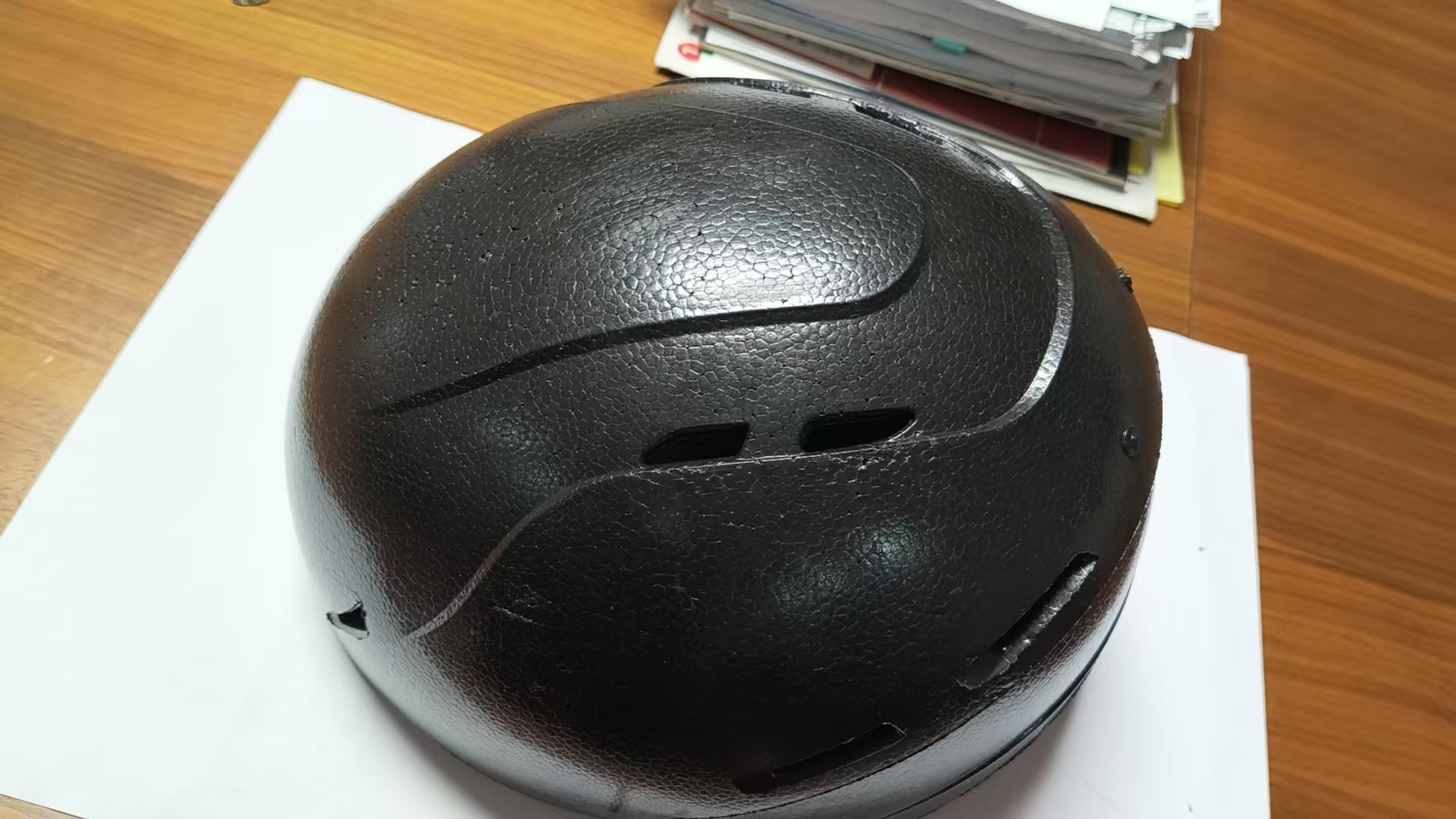
CNC-machined foam prototypes
Fit evaluation
Assembly evaluation
Component integration
Design-for-Manufacturing review
Development-stage testing support
Prototyping allows both Aurora and the customer to review the physical architecture before committing to production tooling.
A prototype can help evaluate shape, fit, clearances, ventilation, component relationships, and assembly, although prototype material may not reproduce the exact mechanical behavior of final production-molded EPP.
Final performance validation must therefore be conducted using the intended production materials and complete helmet configuration.
Precision EPP Molding
Once the liner geometry has been validated, dedicated EPP production tooling is developed.
EPP mold design must consider:
Bead filling
Steam distribution
Venting
Heating
Cooling
Part shrinkage
Surface definition
Demolding
Dimensional tolerance
Production repeatability
During molding, expanded polypropylene beads are introduced into the mold cavity and fused under controlled processing conditions.
Proper control of the molding process is critical because bead fusion, temperature, pressure, cooling, and material distribution can influence the dimensional consistency and physical properties of the finished liner.
Shell + Liner Integration
The relationship between the shell and the EPP liner is critical.
Depending on the helmet architecture, an EPP liner can be integrated with:
ABS shells
Polycarbonate shells
Composite shells
Carbon-fiber shells
Injection-molded shells
Hybrid shell constructions
The liner may also incorporate engineered locations for:
Adjustment systems
Comfort pads
Chin straps
Accessories
Ventilation
Internal components
Mechanical attachment features
The shell and liner should therefore be developed together wherever possible.
A well-designed liner cannot perform as intended if shell clearances, fit-system components, padding, or other internal structures interfere with its deformation or assembly.
EPP + Hybrid Helmet Construction
EPP does not necessarily have to be the only energy-management material inside a helmet.
Depending on the application, Aurora can evaluate:
Full EPP liners
Zoned EPP structures
Hybrid foam constructions
Separate impact inserts
Multi-density concepts
EPP combined with other protective components
This gives helmet brands greater flexibility when balancing performance, dimensions, ventilation, weight, comfort, and cost.
EPP vs. EPS
EPP and EPS are both expanded bead foams, but they have different material and performance characteristics.
EPS — Expanded Polystyrene is widely used in helmet manufacturing because of its low weight and ability to manage impact energy through controlled crushing.
EPP — Expanded Polypropylene may be considered when resilience, durability, or recovery after certain levels of compression is an important design objective.
Neither material is automatically superior for every helmet.
The correct choice depends on factors such as:
Helmet category
Intended use
Applicable safety standard
Impact requirements
Required liner thickness
Weight target
Ventilation requirements
Shell construction
Product dimensions
Cost target
Production volume
In some projects, a single material may be appropriate.
In others, a hybrid liner architecture may provide the better engineering solution.
Aurora can evaluate both approaches based on the requirements of the individual helmet program.
Applications for EPP Helmet Liners
Custom EPP structures can be considered for a wide range of protective headgear, including:
Snow helmets
Skate helmets
Action-sports helmets
Hockey helmets
Equestrian helmets
Polo helmets
Climbing helmets
Industrial safety helmets
Bump caps
Protective headgear
Chin bars
Impact inserts
Hybrid helmet liners
The appropriate construction depends on the intended activity, foreseeable hazards, market requirements, and applicable testing standard.
Quality Control
Consistent EPP molding requires control throughout the manufacturing process.
Depending on the project, Aurora’s quality-control procedures can include:
Incoming material verification
Density checks
Mold-condition review
Bead-fusion inspection
Component-weight measurement
Dimensional inspection
Surface-quality inspection
Shell-and-liner fit verification
Component-integration checks
Assembly inspection
Production batch monitoring
Development-stage laboratory evaluation
Finished helmet validation should always be performed on the complete production configuration, including the shell, EPP liner, fit system, padding, retention system, and relevant accessories.
Where third-party certification is required, Aurora can support product preparation and coordination with the appropriate testing laboratory or certification organization.
Complete EPP Helmet Development at Aurora Sports
Developing a high-quality EPP helmet requires much more than purchasing foam.
The material must be engineered into a complete helmet architecture and manufactured with consistent control from development through production.
Aurora Sports brings these capabilities together in one coordinated development program:
Concept → Industrial Design → Engineering → Prototype → Tooling → EPP Molding → Component Integration → Assembly → Testing Support → Quality Control → Mass Production
Our capabilities include:
Helmet industrial design
Product engineering
3D modeling
Rapid prototyping
CNC machining
EPP tooling development
Custom EPP molding
Plastic injection molding
ABS shell manufacturing
Polycarbonate shell forming
Composite and carbon-fiber processing
Fit-system development
Comfort-padding development
Textile development and sewing
Helmet assembly
Testing support
Quality control
Packaging
OEM helmet manufacturing
ODM helmet development
Develop Your Custom EPP Helmet With Aurora
Whether you are starting with a concept, an existing helmet, a CAD file, or a completely new product requirement, our team can help evaluate the appropriate EPP liner construction and manufacturing approach.