EPS In-mold Technology
Lightweight Helmet Construction, Engineered as One Structure
EPS In-Mold Technology is one of the most widely used construction methods for modern lightweight bicycle and sports helmets.
The process combines a thin polycarbonate (PC) outer shell with an Expanded Polystyrene (EPS) impact-absorbing liner during molding, creating an integrated helmet structure.
At Aurora Sports, in-mold technology is more than a production process. It is part of our complete helmet development capability—from industrial design and engineering to tooling, molding, testing and mass production.
What Is EPS In-Mold Technology?
An in-mold helmet typically consists of two main structural materials:
Polycarbonate Outer Shell
The PC shell forms the lightweight external surface of the helmet. It protects the EPS liner from everyday wear and allows designers to create complex shapes, ventilation openings, colors and graphics.
EPS Impact-Absorbing Liner
EPS, or Expanded Polystyrene, is the lightweight foam structure inside the helmet. During an impact, the EPS liner is designed to deform and crush to help manage impact energy.
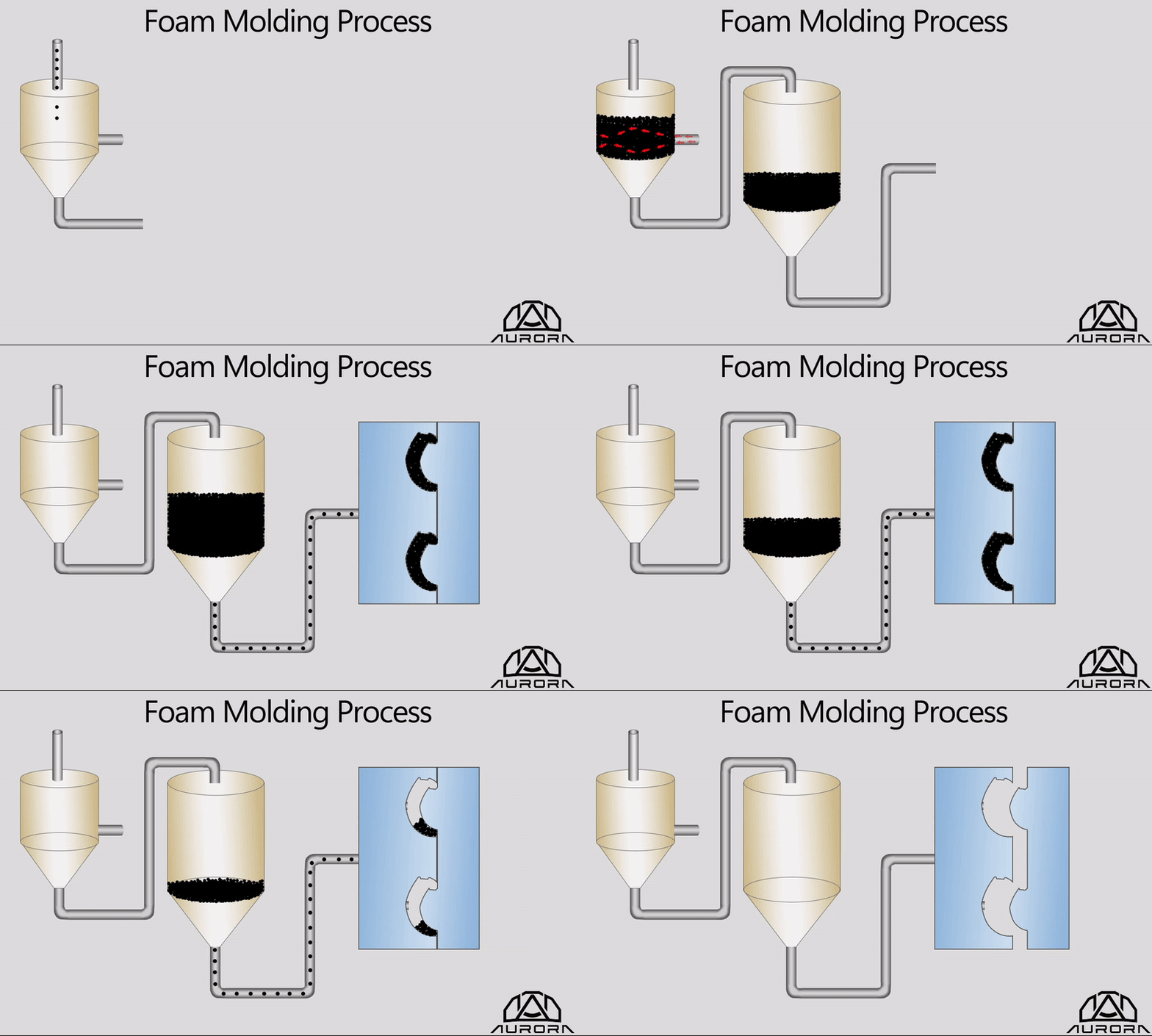
During the in-mold process, the EPS liner is molded directly against the prepared PC shell.
PC Shell + EPS Liner = Integrated In-Mold Helmet Construction
Why Use In-Mold Technology?
Lightweight Construction
In-mold construction is well suited to performance helmets where low weight and comfort are important.
Integrated Structure
The EPS liner is formed directly inside the outer shell, allowing both components to work together as one helmet structure.
Greater Design Freedom
In-mold technology allows helmet designers to create:
- Large ventilation openings
- Deep internal airflow channels
- Aerodynamic helmet shapes
- Multi-shell constructions
- Lightweight performance designs
Optimized Ventilation
Modern bicycle helmets depend on more than simply adding more vents.
Effective airflow requires an engineered relationship between:
Front Air Intake → Internal Air Channels → Rear Exhaust
In-mold construction gives designers greater flexibility to develop these ventilation structures within the EPS liner.
Engineering Beyond EPS Foam
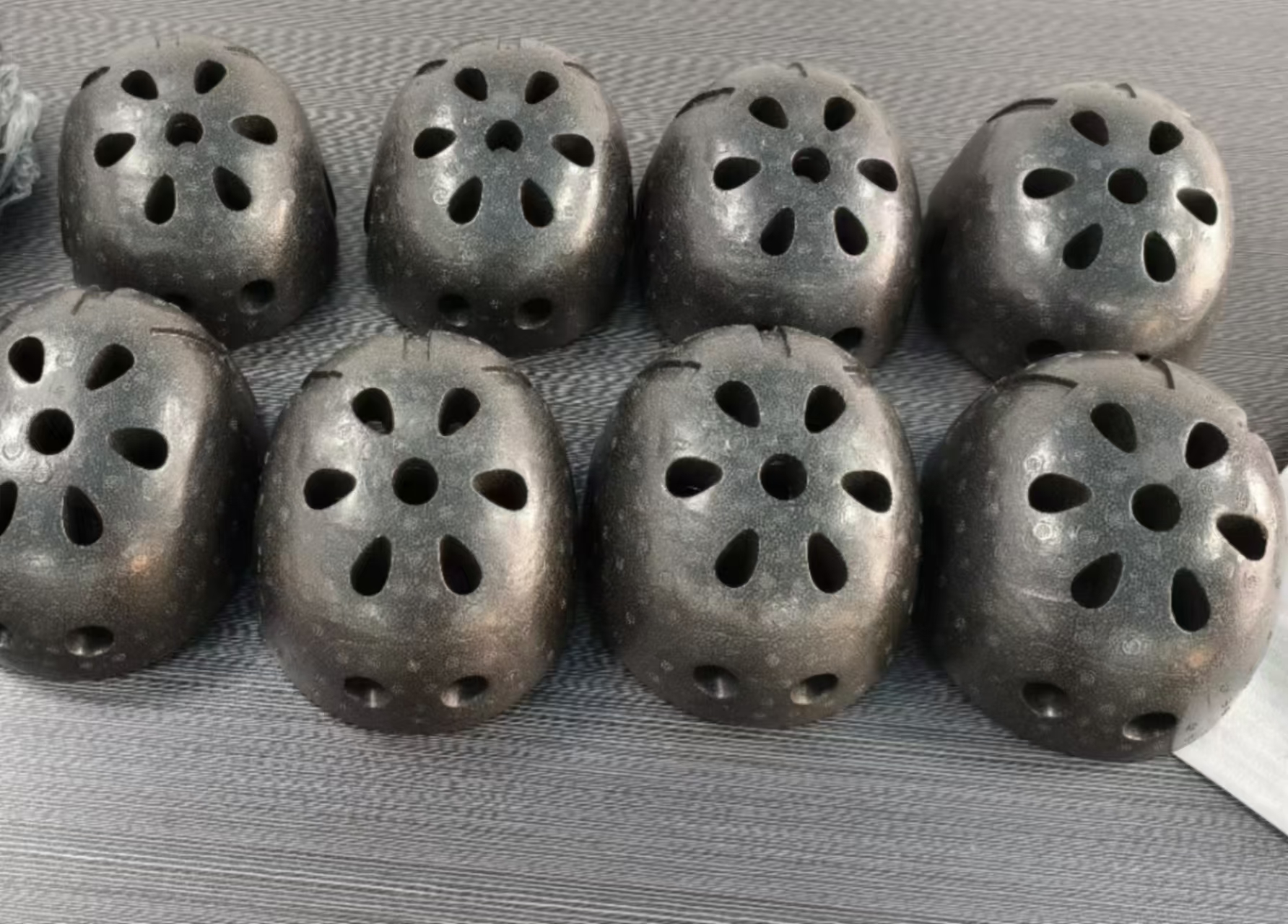
A professional helmet is not designed by considering EPS density alone.
Aurora engineers evaluate the complete helmet structure, including:
- EPS density and thickness
- PC shell geometry
- Ventilation layout
- Internal airflow channels
- Helmet coverage
- Reinforcement structures
- Fit-system integration
- Target weight
- Applicable helmet standards
Each element can influence the others.
For highly ventilated or lightweight helmet designs, additional internal reinforcement may also be incorporated into the EPS liner.
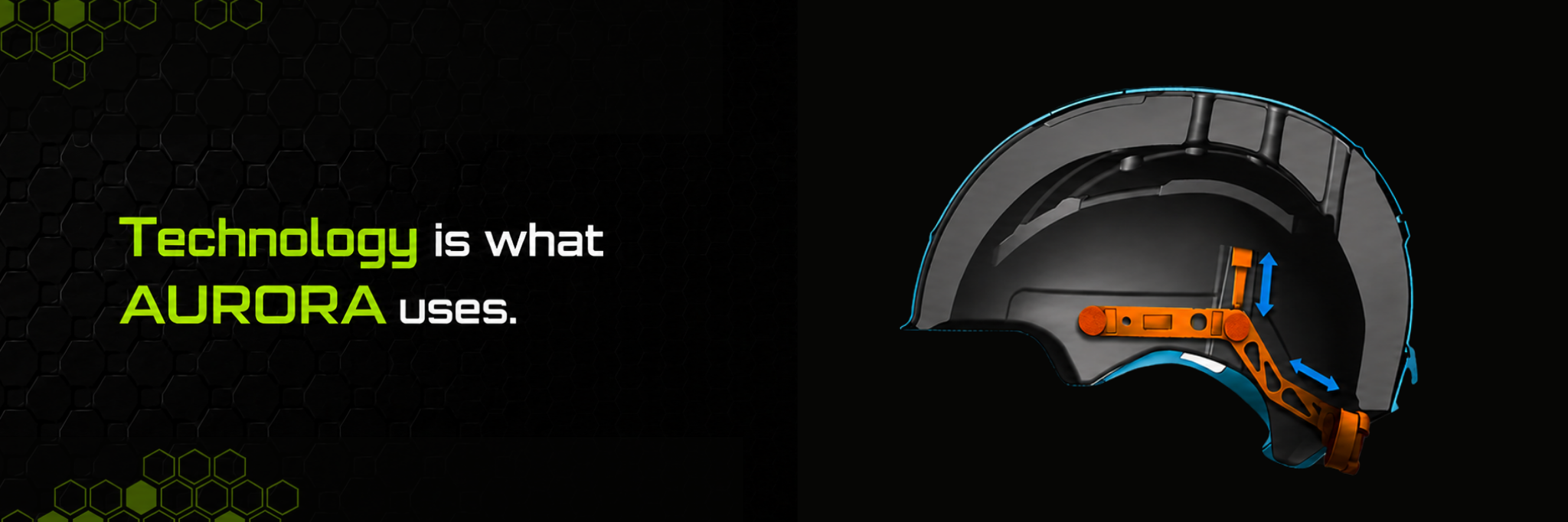
Aurora’s IRF™ Integrated Reinforcement Frame Technology is one example of this approach, using an internal structural frame to reinforce selected areas of the helmet while supporting lightweight and highly ventilated designs.
Aurora In-Mold Helmet Manufacturing Expertise
Aurora Sports supports helmet projects through the complete development process:
Concept → Industrial Design → Engineering → Prototype → Tooling → Testing → In-Mold Manufacturing → Assembly → Quality Control → Mass Production
Our manufacturing capabilities include:
- Helmet industrial design
- Structural engineering
- Rapid prototyping
- Tooling development
- Vacuum forming
- EPS in-mold production
- Plastic injection
- Helmet assembly
- Testing support
- Quality control
- OEM/ODM mass production
By combining design, engineering and manufacturing capabilities, we can evaluate both product performance and production feasibility from the early stages of development.
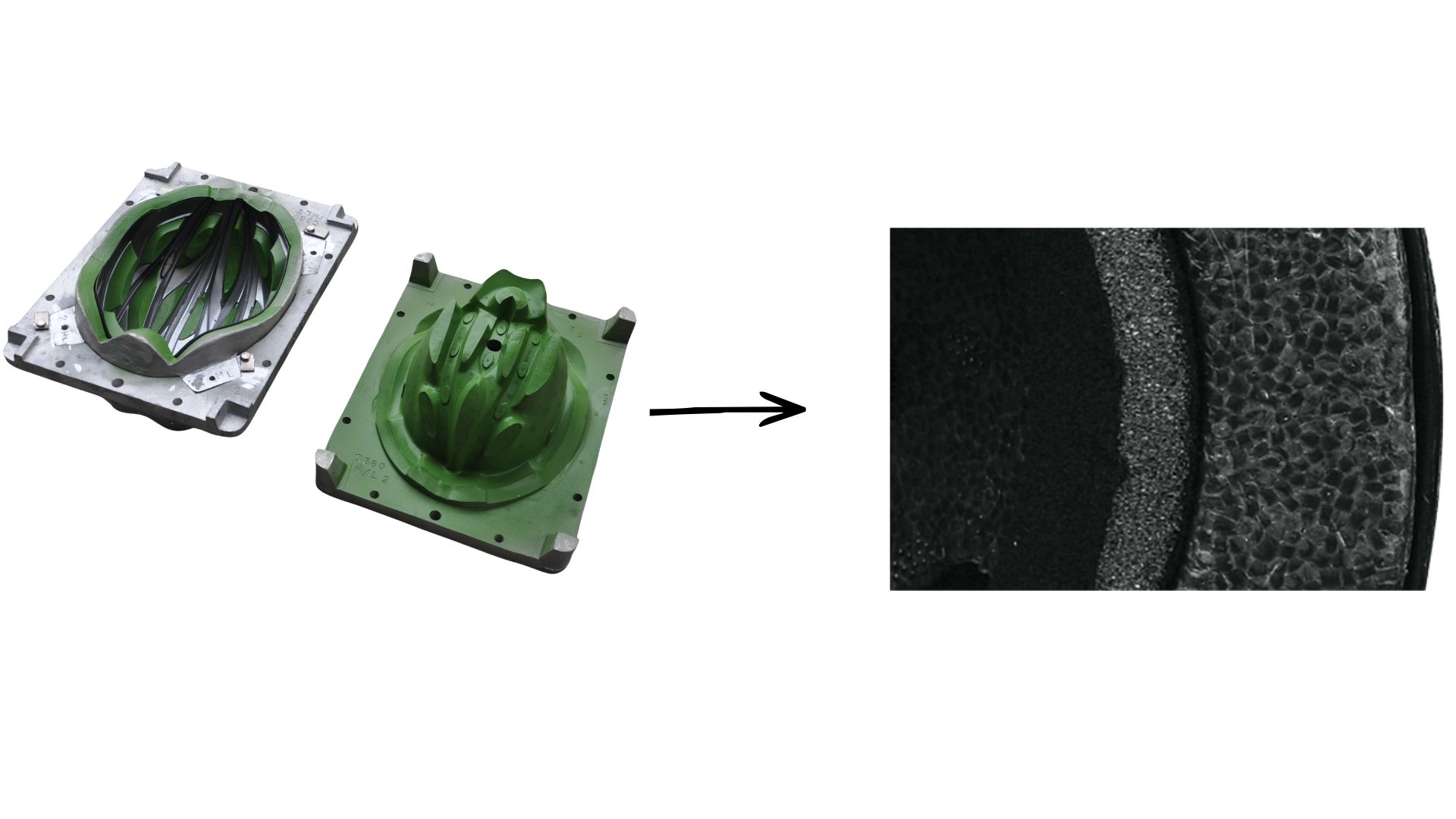
Custom EPS In-Mold Helmet Development
Aurora works with helmet brands, distributors, startups and product developers worldwide.
Whether you have:
- An initial helmet concept
- A sketch or rendering
- Existing CAD data
- A helmet you want to improve
- A complete OEM/ODM project
our team can support the project from development through production.
Develop Your Next EPS In-Mold Helmet With Aurora Sports
Whether you are developing a new cycling helmet, sports helmet, urban mobility helmet, or another protective product, choosing the right manufacturing process early can make a significant difference to the development process.
Aurora Sports combines helmet R&D, engineering, tooling, EPS in-mold manufacturing, prototyping, testing support, and mass production to help brands turn product concepts into manufacturable helmets.
Have a new helmet concept, CAD file, existing product, or custom requirement?
Talk to Aurora Sports about your next helmet development project.
