Smart Helmet Technology
Smarter Protection Through Better Integration
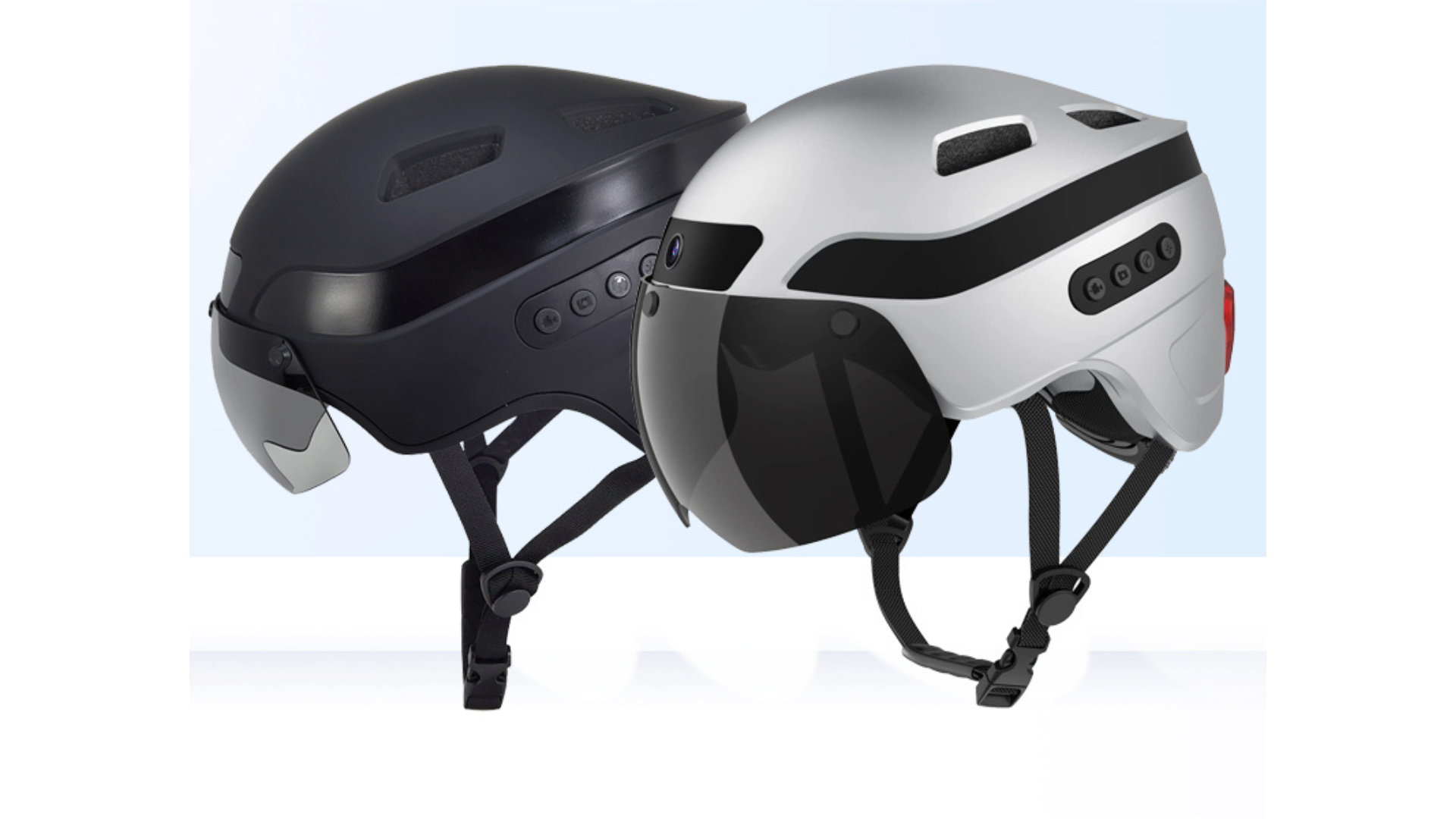
The next generation of helmets goes beyond traditional impact protection. Smart helmet technology combines helmet engineering with electronics, sensors, communication systems, lighting, connectivity, and data-driven features to create safer and more intelligent products.
At Aurora Sports, our core strength is in helmet design, engineering, prototyping, testing, tooling, and manufacturing. For specialized electronics, we work with a network of reliable and experienced external technology suppliers based on the requirements of each project.
This allows us to focus on what we do best—developing the helmet platform—while coordinating with electronics specialists to create an integrated, production-ready smart helmet solution.
What Is a Smart Helmet?
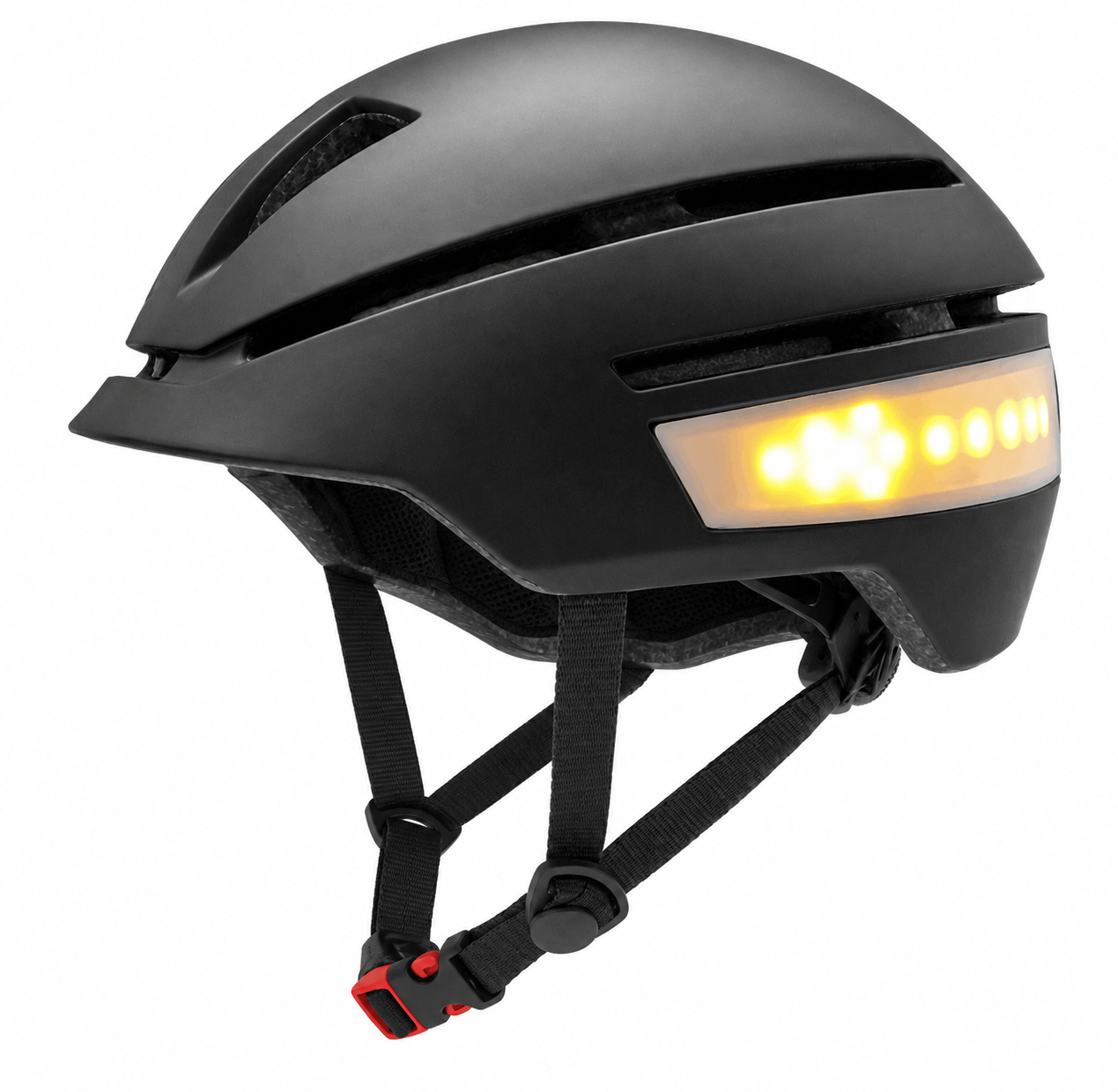
A smart helmet integrates electronic or connected technology into the helmet or its accessory system to provide additional functionality beyond traditional head protection.
Depending on the application, smart helmet features may include:
- Bluetooth and wireless communication
- Integrated speakers and microphones
- Push-to-talk communication systems
- LED safety and visibility lighting
- GPS and location-related functionality
- Motion and impact sensors
- Fall or incident detection
- Proximity and environmental sensing
- Cameras and recording systems
- User identification or access-control functions
- Mobile app connectivity
- Data collection and fleet-management capabilities
The right combination of features depends on the intended user, application, target market, certification requirements, and overall product positioning.
 Smart Technology Must Start with the Helmet
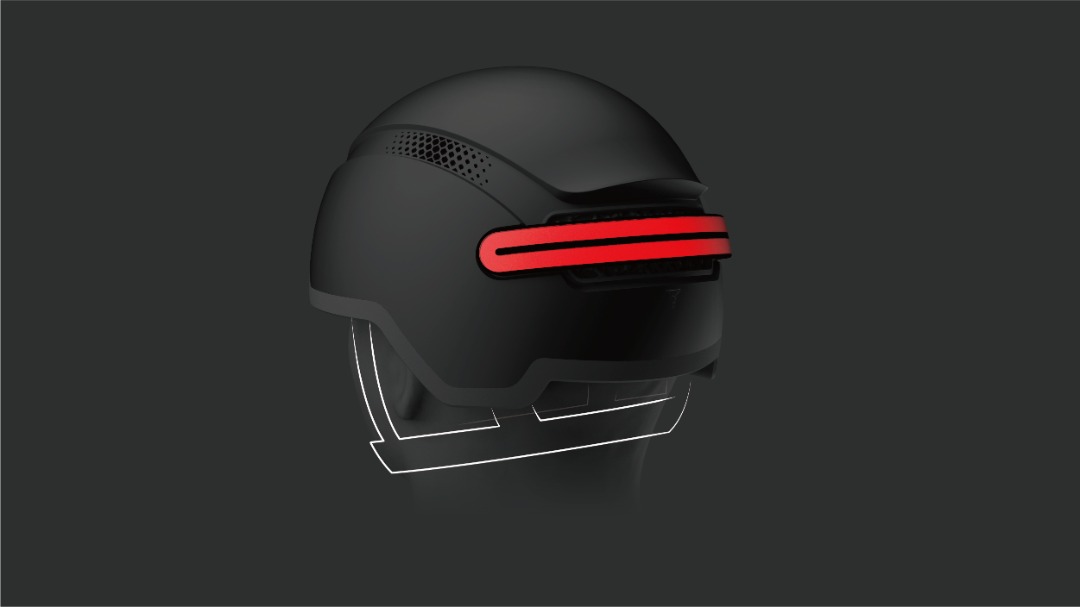
Adding electronics to a helmet is not simply a matter of attaching a device.
Every additional component can affect the helmet’s weight, balance, ventilation, comfort, durability, impact performance, water resistance, and overall user experience.
That is why smart helmet development should begin with the helmet architecture itself.
Our engineering team considers how the electronic components interact with:
- Outer shell geometry
- Impact-absorbing liner
- Comfort padding
- Retention and adjustment systems
- Ventilation channels
- Battery placement
- Wiring and cable routing
- Speakers and microphones
- Sensors
- Control buttons
- Charging interfaces
- Removable accessories
- Overall center of gravity
By considering these elements early in development, smart features can become an integrated part of the product rather than an afterthought.
Helmet Engineering + Trusted Electronics Partners
Smart helmet development requires expertise from both helmet engineering and electronics technology.
Aurora does not attempt to develop every electronic component in-house. Instead, we work with trusted external electronics suppliers that specialize in the technologies required for each project.
Depending on the application, our partners can support systems such as:
- Bluetooth and wireless modules
- Speakers and microphones
- Sensors and impact-detection systems
- GPS and connectivity modules
- LED lighting systems
- Cameras
- Batteries and charging systems
- Electronic control modules
- Mobile app or connected-device integration
Aurora’s role is to bring these technologies together from a helmet-development and manufacturing perspective.
We coordinate with the customer and appropriate electronics partners to ensure the components can be properly integrated while considering safety, comfort, durability, assembly, testing, and mass-production feasibility.
Whether you already have your own electronics supplier or need support identifying a suitable technology partner, we can work with your team to determine the most practical development path.
Smart Industrial & Safety Helmets
Connected technology is creating new possibilities for construction, utilities, manufacturing, rescue, logistics, and other professional environments.
Smart safety helmet concepts may include:
Communication
Integrated communication systems can help crews stay connected in environments where handheld communication devices may be inconvenient.
Worker Visibility
Integrated or accessory-mounted lighting can improve visibility in low-light working environments.
Incident Detection
Sensor-based systems can potentially detect unusual movement, falls, or significant impacts and transmit relevant information to connected systems.
Location & Workforce Management
Depending on the project, smart helmet platforms may incorporate technologies designed to support location awareness, workforce management, or connected jobsite applications.
Environmental Monitoring
Specialized sensors may also be integrated for applications requiring monitoring of certain environmental conditions.
The electronics are important—but they must always work together with the helmet’s fundamental protective function.
Smart Sports Helmets
Smart technology can also enhance the experience of athletes and recreational users.
Depending on the sport and intended application, features may include:
- Communication between users
- Audio integration
- Navigation
- Visibility lighting
- Performance tracking
- Impact monitoring
- Emergency notification
- Camera integration
- Smartphone connectivity
For sports helmets, minimizing weight and bulk is especially important. Electronics must be carefully positioned so they do not negatively affect fit, balance, ventilation, comfort, or freedom of movement.
From Smart Helmet Concept to Production
Aurora supports smart helmet projects through an integrated development process.
1. Concept & Feasibility
We begin by understanding the intended application, target user, target market, safety standards, electronic features, and overall product objectives.
2. Helmet Architecture
Our engineers evaluate how the electronics can be integrated into the shell, liner, retention system, ventilation system, and accessories.
3. Industrial Design & 3D Engineering
The helmet and electronic components are developed together to achieve the desired appearance, ergonomics, functionality, and manufacturability.
4. Prototype Development
Prototypes allow the customer, Aurora, and electronics partners to evaluate fit, component placement, usability, assembly, and overall system integration before production tooling begins.
5. Testing & Optimization
The helmet must satisfy both its protective requirements and the functional requirements of the electronic system.
Design adjustments may be necessary to achieve the right balance between protection, comfort, functionality, reliability, and production feasibility.
6. Tooling & Manufacturing
Once the design has been validated, Aurora can move into tooling development, pilot production, quality control, assembly planning, and mass production.
Designed Around Your Application
There is no universal smart helmet.
A connected industrial helmet has very different requirements from a smart cycling helmet, rescue helmet, construction helmet, or professional sports helmet.
Aurora approaches each project according to its:
- Application
- Target user
- Target market
- Safety and certification standards
- Electronic functionality
- Industrial design
- Cost target
- Production requirements
- Expected manufacturing volume
Our objective is to create a smart helmet that is not only innovative, but also practical to manufacture and use in the real world.
Build Your Smart Helmet with Aurora
A successful smart helmet must be more than connected.
It must be safe, comfortable, intuitive, durable, reliable, manufacturable, and ready for real-world use.
With decades of helmet development and manufacturing experience, Aurora combines in-house helmet engineering and manufacturing expertise with trusted external electronics partners to help brands turn smart helmet concepts into production-ready products.
From initial concept and integration planning to prototyping, testing, tooling, quality control, and mass production, we can support your project through every stage of helmet development.
Have a Smart Helmet Project?
Tell us about your application, target market, required safety standards, and the smart features you would like to integrate.
Let’s turn your smart helmet concept into a production-ready solution.