Injection Molding Solutions

Custom Helmet Components From Engineering to Mass Production

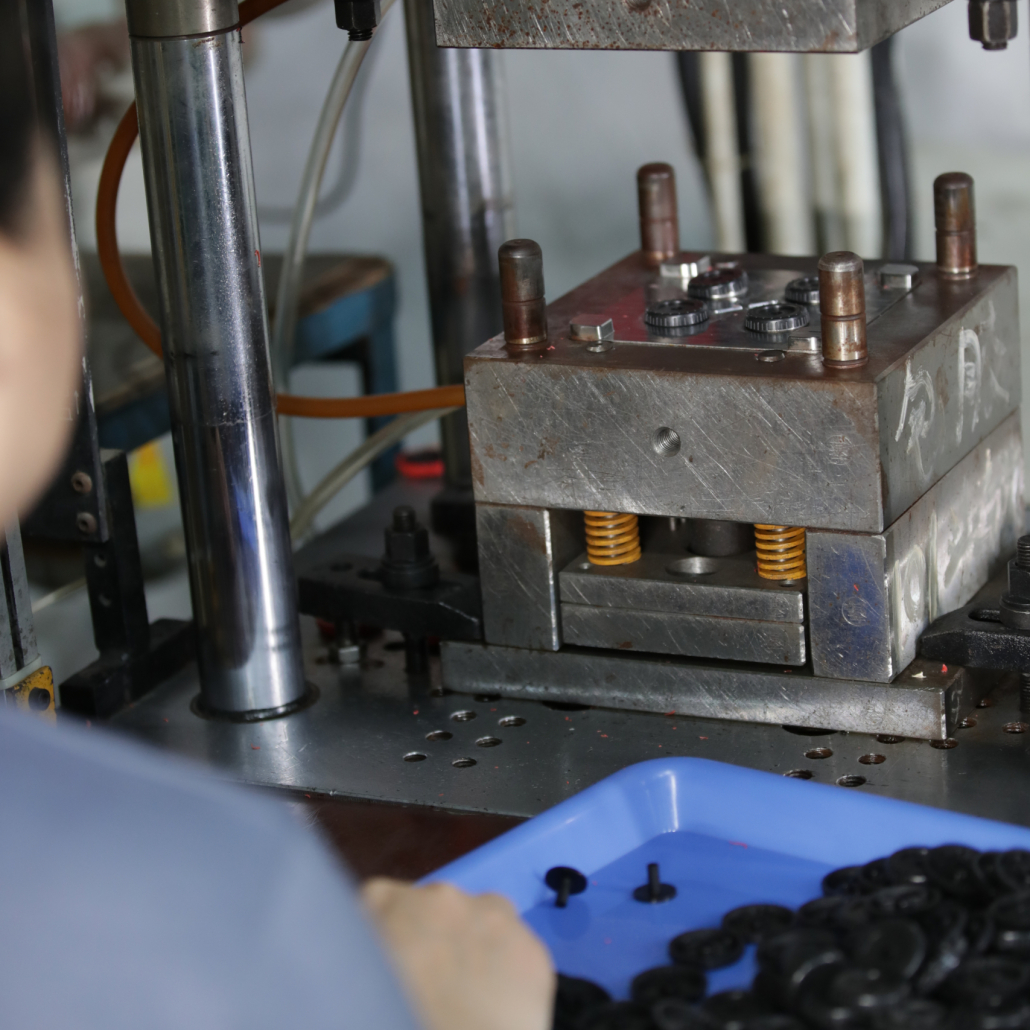
Modern helmets depend on much more than an outer shell and EPS liner.

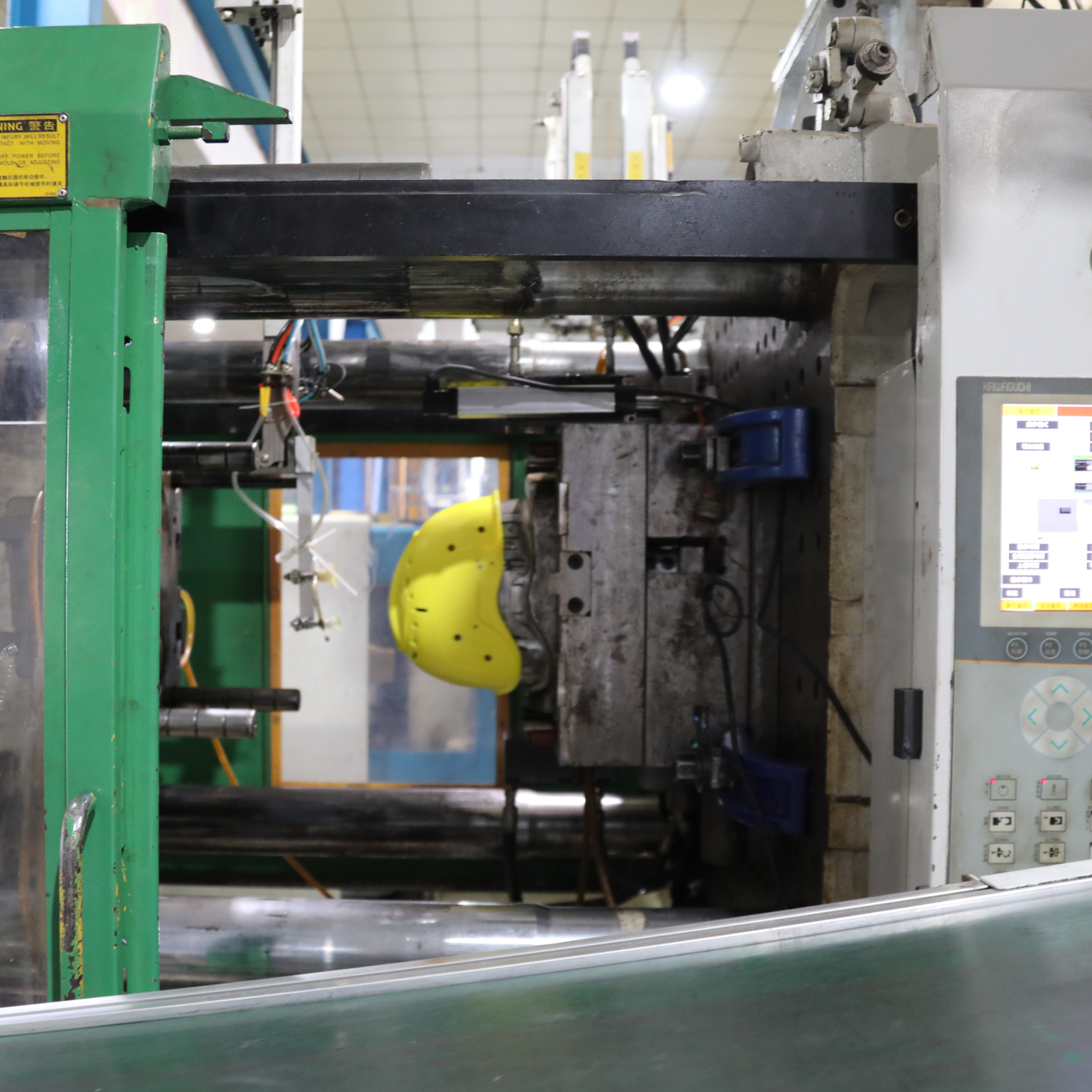
Fit systems, reinforcement frames, visors, standard and magnetic buckles, adjustment mechanisms, accessory mounts, safety-helmet components and many other functional parts are produced through precision plastic injection molding.

At Aurora Sports, injection molding is integrated into our broader helmet-development and manufacturing capabilities.

We support customers through:

Product Engineering → DFM → Mold Flow Analysis → Precision Tooling → Injection Molding → Component Validation → Assembly → Quality Control → Mass Production

Whether you need one custom component or a complete family of molded parts for a new helmet platform, Aurora can help develop the product from concept through production.

We do more than mold plastic parts—we engineer them to work within the complete helmet system.


Injection Molding for Helmet Manufacturing

Helmet components often need to meet multiple requirements at the same time.

A small molded component may need to be:

  • Lightweight
  • Strong
  • Flexible
  • Dimensionally accurate
  • Durable
  • Impact resistant
  • Easy to assemble
  • Comfortable for the user
  • Compatible with surrounding components
  • Reliable through repeated use
  • Consistent across mass production

This is why injection molding for helmets requires more than owning molding machines.

Aurora considers how every molded component interacts with:

Shell + EPS + Retention System + Straps + Accessories + Assembly + User

The component is developed as part of the complete helmet architecture.


Helmet Components We Can Develop & Manufacture

Fit & Retention Systems

Fit systems are among the most important functional assemblies inside modern helmets.

Aurora can support components such as:

  • Rear adjustment cradles
  • Ratchet mechanisms
  • Adjustment dials
  • Headband components
  • Sliding mechanisms
  • Fit-system arms
  • Retention-system housings
  • Attachment components

These parts often require precise dimensional relationships so the system adjusts smoothly, remains secure and provides a comfortable fit.
Standard & Magnetic Helmet Buckles

Small retention components can have a major influence on helmet usability and perceived quality.

Aurora can support development and production of:

  • Standard helmet buckles
  • Magnetic-assisted helmet buckles
  • Quick-release buckle systems
  • Chin-strap buckles
  • Strap dividers
  • Webbing guides
  • Strap anchors
  • Adjustment hardware
  • Buckle housings

Magnetic Helmet Buckle Development

Magnetic-assisted buckles can provide a convenient closure experience while using a positive mechanical locking structure, depending on the buckle design.

A magnetic buckle may combine:

Injection-Molded Plastic + Magnets + Mechanical Locking Features + Webbing Integration

During development, Aurora may evaluate:

  • Buckle geometry
  • Magnet positioning
  • Locking mechanism
  • Opening and closing force
  • One-handed operation
  • Pinch-point reduction
  • Webbing attachment
  • Material selection
  • Mold precision
  • Assembly
  • Durability
  • Retention-system requirements

Because the buckle forms part of the helmet retention system, its design must also be evaluated according to the helmet category, intended use and applicable testing requirements.

Where customers select a proprietary third-party magnetic buckle, Aurora can also coordinate its integration with the helmet’s webbing, chin strap, retention system and final assembly.


Internal Reinforcement Frames

Highly ventilated or lightweight helmets may use an internal reinforcement frame or cage integrated into the EPS structure.

Aurora can support injection-molded reinforcement components such as IRF™ Integrated Reinforcement Frame Technology.

Development may consider:

  • Helmet geometry
  • Vent layout
  • EPS integration
  • Material selection
  • Structural support
  • Target weight
  • Injection molding feasibility
  • Dimensional accuracy
  • Production repeatability

The reinforcement frame must not only mold correctly—it must also position accurately inside the EPS mold and complete helmet construction.


Helmet Visors & Visor Mechanisms

Injection molding can be used for:

  • Helmet visors
  • Visor brackets
  • Pivot components
  • Adjustment mechanisms
  • Mounting interfaces
  • Visor clips
  • Detachable visor systems

Depending on the application, the design may need to balance:

Rigidity + Flexibility + Appearance + Durability + User Operation

For adjustable or removable visors, precise component tolerances are particularly important to provide smooth movement without excessive looseness.


Helmet Accessories & Functional Components

Modern helmets increasingly integrate additional functionality.

Aurora can support molded components for:

  • Camera mounts
  • Light mounts
  • Communication-system interfaces
  • Accessory rails
  • Sensor housings
  • Electronic housings
  • Clips
  • Brackets
  • Attachment systems
  • Detachable accessories
  • Custom mounting solutions

These parts can be developed either for a completely new helmet or as accessories for an existing helmet platform.


Safety Helmet Components

Industrial safety helmets can require more specialized molded components and structures.

Depending on the helmet design, Aurora can support:

  • Suspension-system components
  • Ratchet systems
  • Fit-system parts
  • Accessory slots
  • Visor interfaces
  • Ear-protection interfaces
  • Chin-strap components
  • Internal structural parts
  • Shell components
  • Mounting systems
  • Functional accessories

For safety helmets, molded components should always be developed in relation to the intended helmet Type, Class, target market and applicable testing requirements.


Injection-Molded Helmet Shells

Some helmet categories use rigid injection-molded outer shells.

Aurora can evaluate shell development for products such as:

  • Industrial safety helmets
  • Work-at-height helmets
  • Skate helmets
  • Sports helmets
  • Specialized protective headgear
  • Custom applications

Shell engineering may involve:

  • Material selection
  • Wall thickness
  • Vent openings
  • Rib structures
  • Surface geometry
  • Parting lines
  • Accessory interfaces
  • Cosmetic requirements
  • Weight
  • Mold architecture
  • Finishing and decoration

The correct construction depends on the helmet category and intended application.


Material Selection Based on Product Function

Not every helmet component should use the same plastic.

A rigid shell, flexible strap divider, adjustment mechanism and reinforcement frame can have very different requirements.

Depending on the project, Aurora may evaluate materials according to:

  • Strength
  • Rigidity
  • Flexibility
  • Toughness
  • Impact resistance
  • Fatigue behavior
  • Weight
  • Dimensional stability
  • Surface finish
  • Temperature resistance
  • Environmental exposure
  • Manufacturing characteristics
  • Cost

The objective is to select a material that supports both the functional requirements and a stable injection molding process.


From Product Idea to Molded Component

Customers can approach Aurora at different stages of development.

A project may begin with:

  • A product idea
  • A sketch
  • An existing component
  • A functional requirement
  • An approved design
  • An existing mold
  • A component with production problems
  • A completely new helmet concept

A typical development process may include:

Product Requirements

Engineering Review

Material Selection

DFM

Mold Flow Analysis

Prototype

Mold Design

Precision Tooling

Mold Trial

Component Evaluation

Optimization

Mass Production


DFM Before Cutting Mold Steel

Injection-molding problems are easier and less expensive to solve before production tooling is completed.

During Design for Manufacturing (DFM), Aurora engineers may review:

  • Wall thickness
  • Draft angles
  • Ribs
  • Snap fits
  • Undercuts
  • Parting lines
  • Gate locations
  • Ejection
  • Tolerances
  • Shrinkage
  • Assembly interfaces
  • Mold complexity

For suitable components, Mold Flow Analysis can also be used to evaluate potential molding behavior before tooling is finalized.


Mold Flow Analysis

Predict Potential Problems Before the First Mold Trial

Mold Flow Analysis can help engineers understand how molten plastic is expected to fill a proposed mold.

Depending on the component, simulation may evaluate:

  • Filling behavior
  • Gate positioning
  • Flow balance
  • Weld-line locations
  • Air traps
  • Injection pressure
  • Flow hesitation
  • Packing behavior
  • Cooling
  • Shrinkage
  • Warpage

This is especially valuable for parts with:

  • Thin sections
  • Complex rib structures
  • Multiple flow paths
  • Tight tolerances
  • Complex curves
  • Large surface areas

For example, an internal reinforcement cage may contain many thin interconnected ribs. Poor gate strategy can contribute to incomplete filling, air trapping, weld lines or dimensional instability.

Simulation does not replace mold trials—but it gives engineers more information before the mold is built.


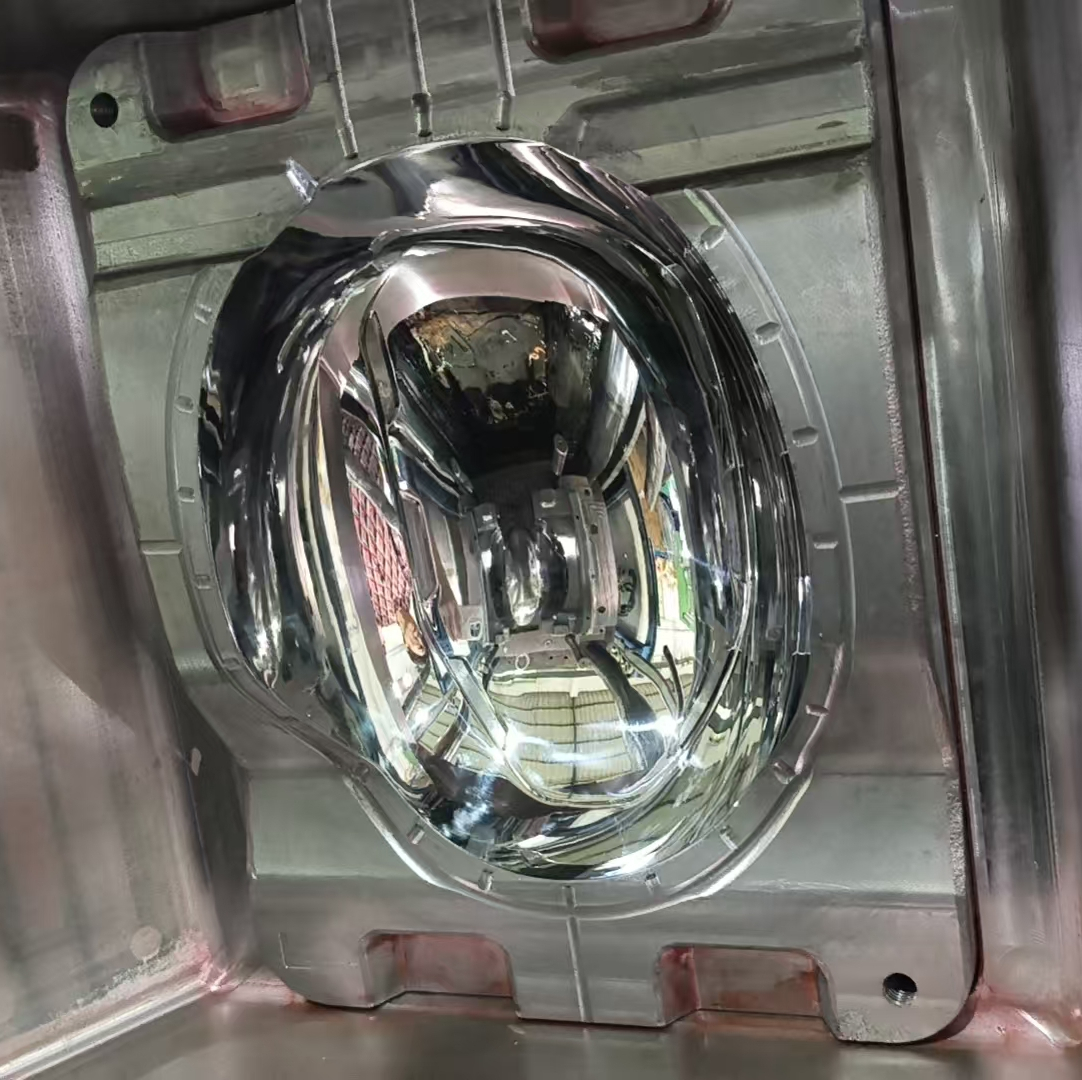
Precision Mold Engineering

A stable injection-molding process begins with a well-engineered mold.

Aurora combines:

Product Engineering + Mold Design + CNC Machining + Tooling Development + Mold Trial

so product and tooling teams can work together from the beginning.

Depending on the mold, engineering may involve:

  • Core and cavity design
  • Mold steel selection
  • Slides and lifters
  • Gate systems
  • Runners
  • Venting
  • Cooling channels
  • Ejection
  • Surface texture
  • Dimensional tolerances
  • Expected production volume
  • Mold maintenance requirements

The objective is not simply to produce one acceptable sample.

The mold needs to support stable, repeatable production over the intended life of the program.


Mold Trial, Evaluation & Optimization

Once tooling is completed, the first molded components are carefully reviewed.

Evaluation may include:

  • Dimensions
  • Component fit
  • Assembly
  • Surface appearance
  • Gate marks
  • Weld lines
  • Flash
  • Sink marks
  • Short shots
  • Warpage
  • Color
  • Functional performance

If improvement is required, Aurora can evaluate whether the solution involves:

Part Design + Tooling + Material + Processing Parameters

This optimization stage is important before the project moves into stable mass production.


Precision Matters Because Helmet Components Must Fit Together

Even a small dimensional issue can create a noticeable problem in the final helmet.

For example:

  • A visor may not align correctly
  • A ratchet may not rotate smoothly
  • A buckle may not operate consistently
  • A reinforcement frame may not position properly inside the EPS mold
  • A snap fit may be too loose or too tight
  • An accessory mount may sit at the wrong angle
  • Two components may produce inconsistent gaps

This is why Aurora places strong emphasis on tooling precision and dimensional control.

The requirement is not only:

“Can we mold the part?”

It is:

“Can we mold the same accurate part consistently, production cycle after production cycle?”


Integrated With Final Helmet Assembly

One of Aurora’s key advantages is that molded components can be evaluated within the complete helmet.

For example:

Fit System

Can be checked together with:

EPS Liner + Retention System + Padding + User Adjustment

Magnetic Buckle

Can be evaluated together with:

Webbing + Chin Strap + Retention System + Final Helmet Fit

Visor Mechanism

Can be checked against:

Shell Geometry + Mounting Points + Range of Movement + Accessories

Reinforcement Frame

Can be coordinated directly with:

EPS Tooling + Ventilation Geometry + Helmet Structure

This integrated approach can identify problems that may not be obvious when a component is evaluated independently.


Injection Molding Beyond Helmets

Although helmets are a core area of Aurora’s expertise, our injection molding capabilities can also support selected non-helmet products.

Possible applications include:

  • Sports equipment
  • Safety products
  • Protective equipment
  • Outdoor products
  • Custom housings
  • Consumer-product components
  • Structural plastic parts
  • Technical accessories

Aurora can also evaluate projects where injection-molded parts must integrate with:

  • EPS
  • Textiles
  • Carbon fiber
  • Foam
  • Electronics
  • Metal components
  • Other manufacturing processes

OEM & ODM Injection Molding Support

OEM Injection Molding

For customers with an established component or product design, Aurora can support:

  • DFM
  • Material sourcing
  • Tooling
  • Mold trials
  • Injection molding
  • Quality control
  • Assembly
  • Mass production

ODM Product Development

For customers requiring additional product-development support, Aurora can assist with:

  • Concept evaluation
  • Component engineering
  • Material selection
  • Prototype development
  • DFM
  • Mold Flow Analysis
  • Tooling
  • Validation
  • Manufacturing preparation

This flexibility allows customers to engage Aurora according to the maturity of their project.


Confidentiality & NDA Protection

New molded components often involve unreleased products, proprietary mechanisms and valuable intellectual property.

Customers can begin by sharing only a general overview of the product and its intended function.

Before confidential information needs to be exchanged, Aurora Team can propose an NDA for both parties to review and sign.

After confidentiality is established, the engineering team can review:

  • CAD data
  • Technical drawings
  • Samples
  • Material requirements
  • Product specifications
  • Functional requirements
  • Prototype information

Initial Discussion → NDA → Engineering Review → DFM → Tooling → Production


Why Choose Aurora for Injection Molding Solutions?

Aurora’s advantage is not simply injection-molding capacity.

We combine:

Helmet Engineering + DFM + Mold Flow Analysis + Precision Mold Engineering + CNC Tooling + Injection Molding + Assembly + Quality Control

And for complete helmet development, these capabilities are further connected with:

  • EPS molding
  • EPS in-mold technology
  • PC vacuum forming
  • Carbon fiber composites
  • Textile development
  • Helmet prototyping
  • Laboratory testing
  • Finishing and decoration
  • Packaging
  • Mass production

This allows Aurora to understand how each molded component fits into the complete product, production process and final user experience.


Develop Your Next Injection-Molded Component With Aurora

Need a:

  • Fit system
  • Magnetic buckle
  • Standard buckle
  • Internal reinforcement frame
  • Visor mechanism
  • Helmet shell
  • Safety helmet component
  • Accessory mount
  • Electronic housing
  • Custom plastic part

Start by sharing a general overview of the component, intended function and product application.

Aurora can then help evaluate the appropriate:

Engineering + Material + DFM + Tooling + Injection Molding + Assembly

approach.

For confidential projects, Aurora can propose an NDA before detailed technical information is shared.

Talk to Aurora Sports about your next custom injection molding and helmet component development project.