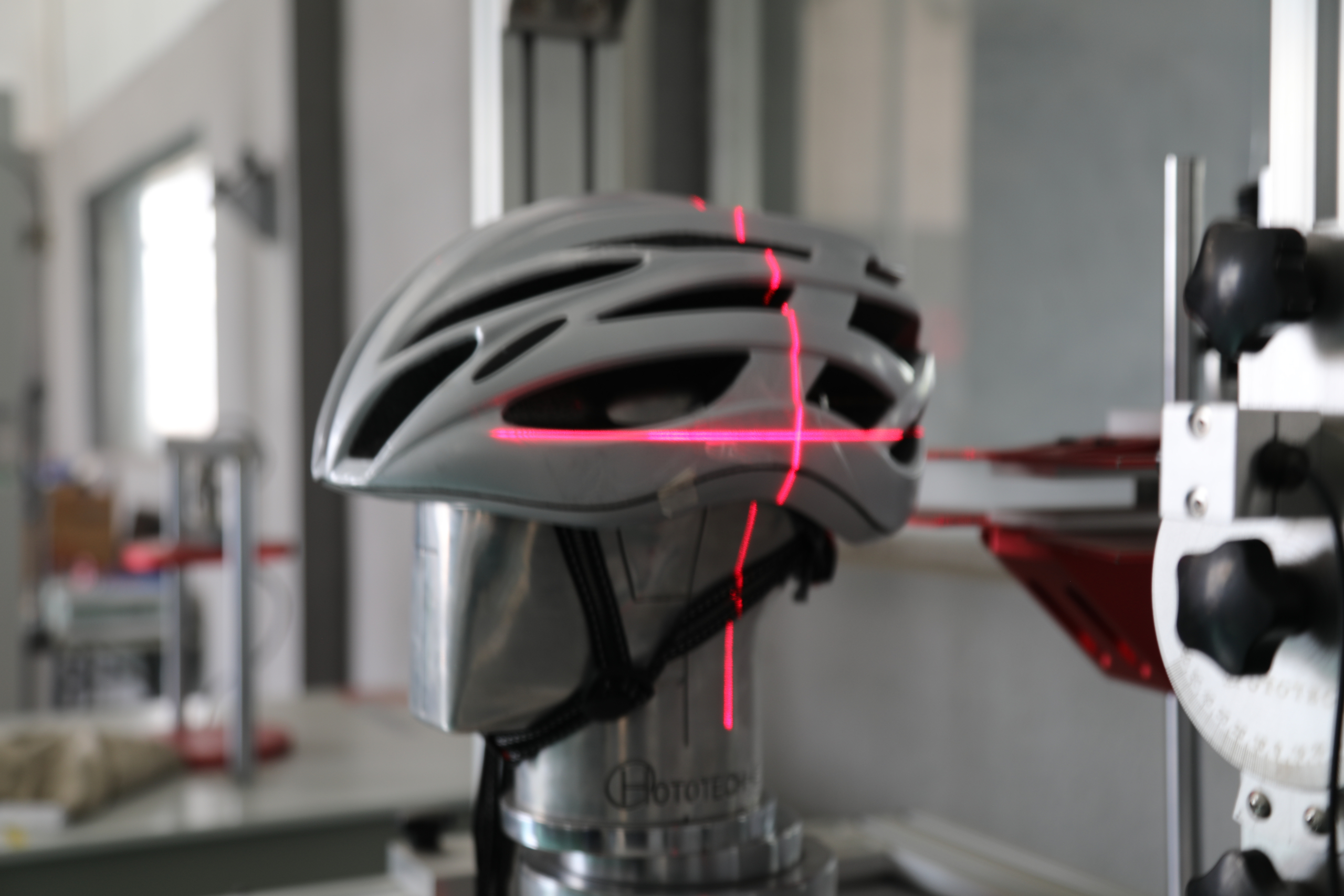

DFM & Product Engineering for Helmet Manufacturing

Design With Production in Mind

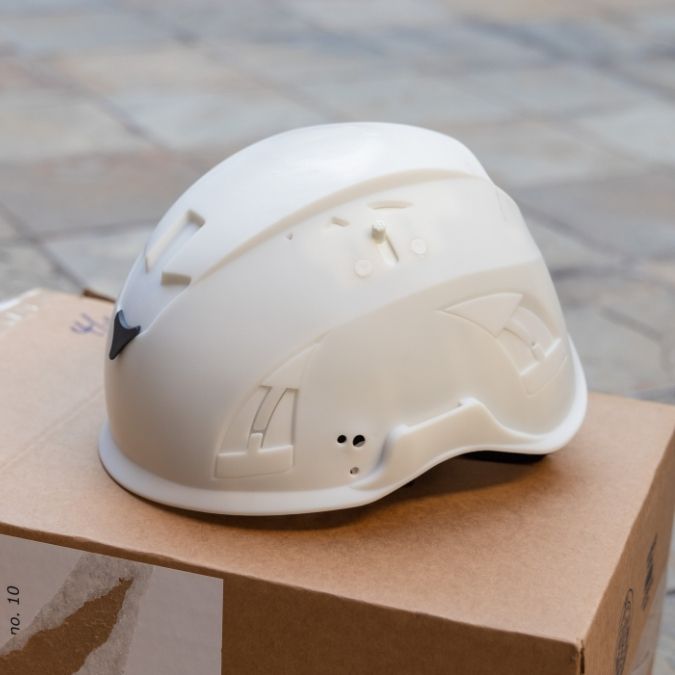
A helmet can look excellent in a 3D rendering and still create significant challenges during tooling, assembly, testing, or mass production.

At Aurora Sports, our Design for Manufacturing (DFM) and helmet product engineering capabilities help transform concepts into practical, production-ready products.

Before major tooling investments are made, our engineers can evaluate how the design interacts with:

Materials + Tooling + Component Interfaces + Assembly + Testing Requirements + Target Weight + Cost + Mass-Production Consistency

By connecting product design with real manufacturing experience, Aurora helps customers identify potential issues earlier, reduce unnecessary revisions, and move toward tooling and production with greater confidence.


Helmet-Specific DFM

DFM is more than checking whether a part can be molded.

For helmets, multiple materials and manufacturing processes often need to work together as one complete system.

A modern helmet may combine:

  • EPS impact-management structures
  • Polycarbonate in-mold shells
  • Injection-molded shells and components
  • Internal reinforcement structures
  • Fit and retention systems
  • Buckles and webbing
  • Visors and mechanisms
  • Textile padding and liners
  • Carbon fiber or composite components
  • Accessories and electronic interfaces

During a helmet DFM review, Aurora may evaluate:

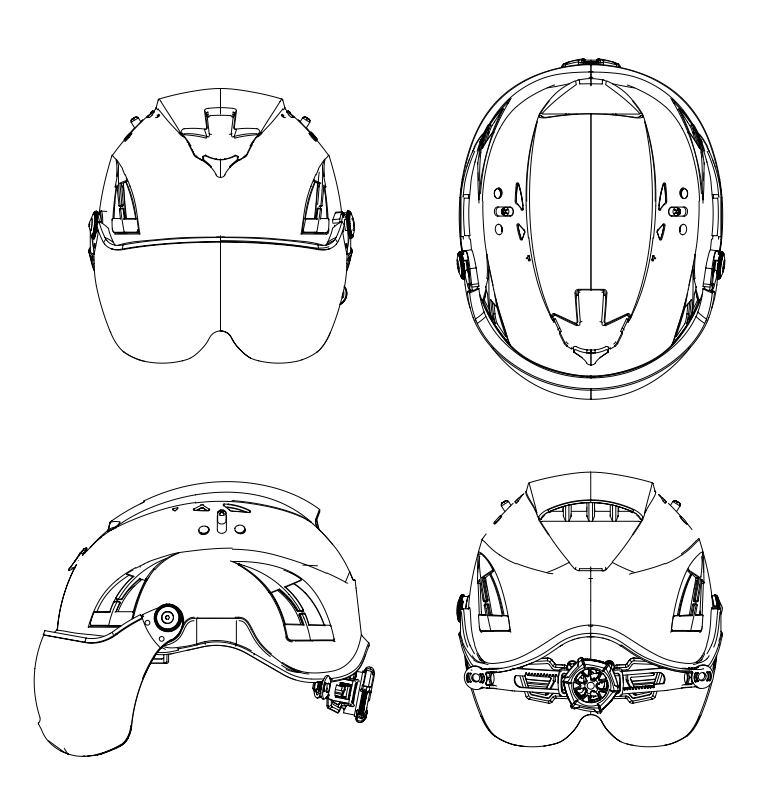
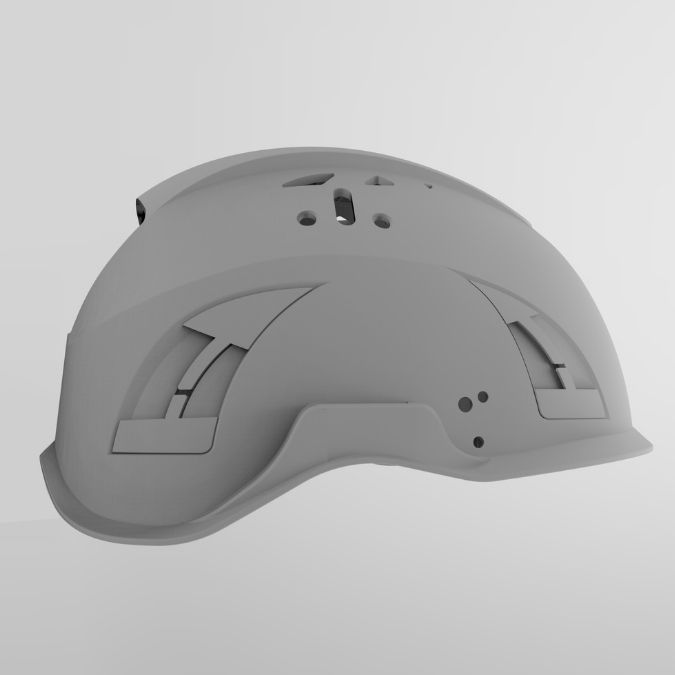
  • Shell and EPS geometry
  • Wall thickness
  • Draft angles
  • Vent openings and internal channels
  • Ribs and structural features
  • Undercuts and parting lines
  • Gate locations and ejection
  • Material selection
  • Shrinkage and dimensional stability
  • Component interfaces
  • Assembly tolerances
  • Fit-system and visor integration
  • Accessory mounting points
  • Target weight
  • Decoration requirements
  • Intended testing and certification pathway

These factors are interconnected.

For example, increasing the size of a ventilation opening may influence the EPS structure, shell geometry, mold construction, internal reinforcement, testing behavior, and production repeatability.

Identifying these relationships before tooling begins can help avoid expensive changes later.


Helmet Product Engineering

Helmet development requires more than general plastic-product engineering.

Every component must fit, function, assemble, and perform as part of the complete helmet architecture.

Aurora can support product engineering for:

  • Bicycle and mobility helmets
  • Sports and outdoor helmets
  • Climbing and rescue helmets
  • Industrial and safety helmets
  • Equestrian helmets
  • Specialty helmets
  • Fit and retention systems
  • Visors and visor mechanisms
  • Buckles and adjustment components
  • Reinforcement structures
  • Helmet accessories
  • Carbon fiber and composite components

Our goal is to preserve the intended design language, fit, functionality, and user experience while preparing the product for reliable manufacturing.


Mold Flow Analysis Before Cutting Steel

For suitable injection-molded helmet components, mold flow analysis can help engineers identify potential manufacturing risks before production tooling is finalized.

Applications may include:

  • Injection-molded helmet shells
  • Fit systems
  • Internal reinforcement frames
  • Visors and mechanisms
  • Buckles
  • Accessory mounts
  • Functional plastic components

Using simulation, our engineering team can evaluate areas such as:

  • Material filling behavior
  • Gate positioning
  • Multi-gate balance
  • Weld-line locations
  • Air traps
  • Injection pressure
  • Hesitation
  • Packing behavior
  • Cooling
  • Shrinkage
  • Sink risk
  • Warpage

This can be especially valuable for thin, interconnected, or dimensionally sensitive components, where material flow and deformation may affect final fit and function.

Mold-flow analysis does not replace physical mold trials, but it can help guide better decisions before mold steel is cut.


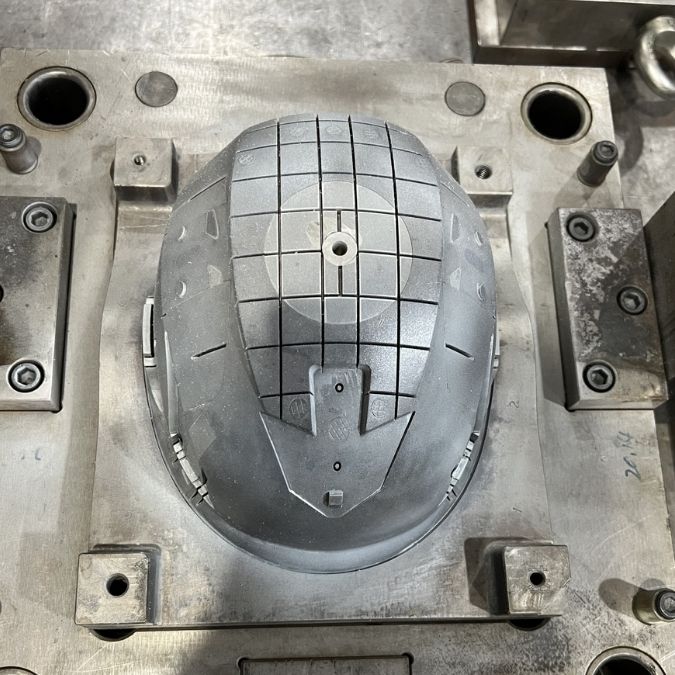
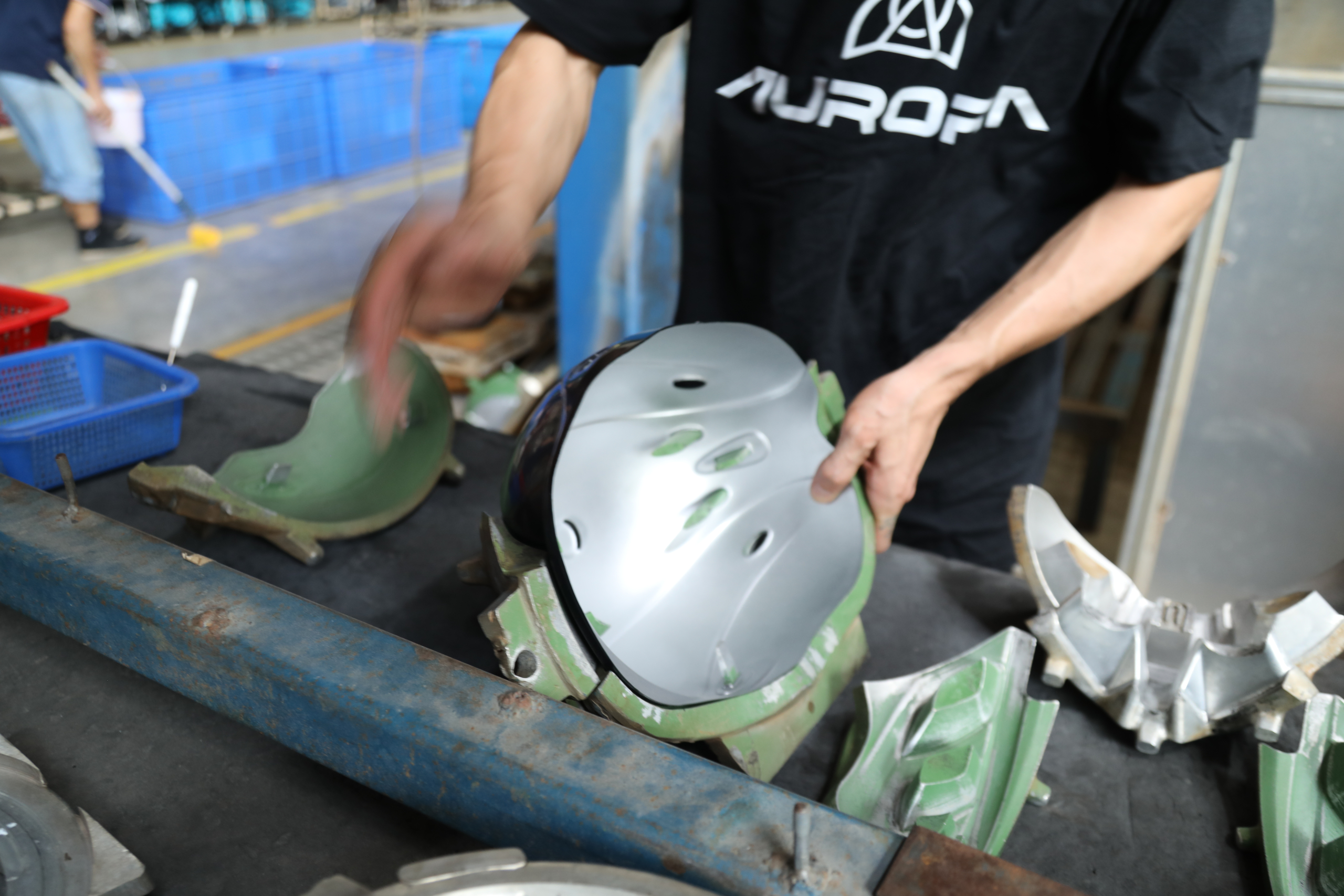
Precision Tooling & CNC Mold Development

A production-ready product depends on precise, repeatable tooling.

Small dimensional variations can influence:

  • Visor alignment
  • Fit-system movement
  • Shell gaps
  • Reinforcement positioning
  • Snap-fit engagement
  • Accessory installation
  • Assembly consistency

Aurora connects product engineering with mold engineering and CNC machining, allowing the product and tooling teams to work together throughout development.

A typical tooling process may include:

DFM Review → Mold Engineering → Mold Flow Analysis Where Applicable → CAD/CAM → CNC Machining → Tool Assembly → Mold Trial → Measurement → Correction → Production Approval

Depending on the project, Aurora can develop tooling for:

  • EPS helmet liners
  • Injection-molded shells
  • Reinforcement structures
  • Fit and adjustment systems
  • Visors and mechanisms
  • Buckles
  • Accessory components
  • Other custom molded parts

The objective is not simply to manufacture a mold.

The objective is to build tooling capable of reproducing the approved product consistently.


Engineering for Assembly

DFM does not stop when individual components leave the mold.

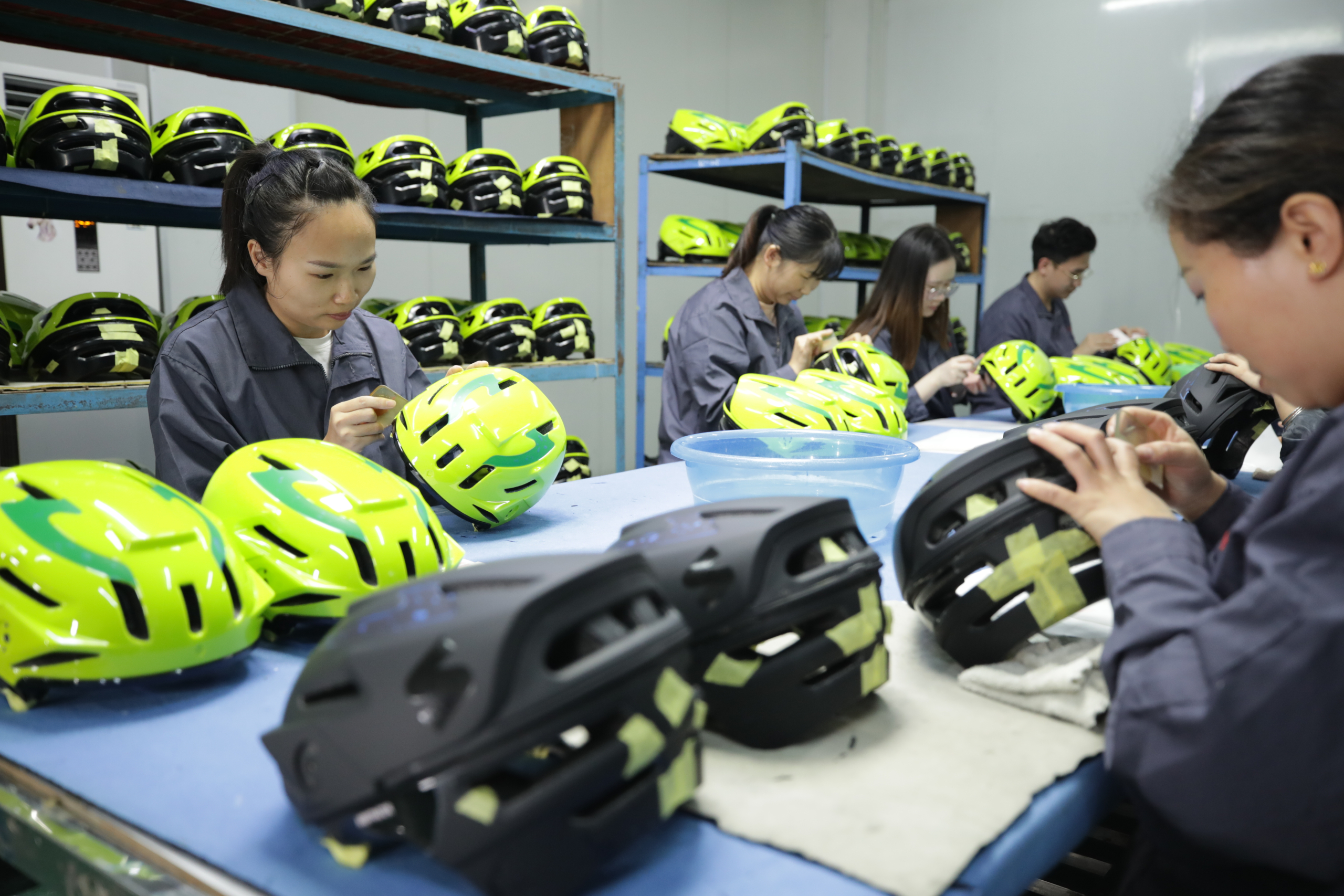
Aurora also evaluates how the complete product will be assembled repeatedly in mass production.

Depending on the project, we may review:

  • Component count
  • Assembly sequence
  • Snap-fit connections
  • Fastener locations
  • Adhesive or bonding requirements
  • Component orientation
  • Operator access
  • Webbing routing
  • Moving mechanisms
  • Assembly clearances
  • Jigs and fixtures
  • Opportunities for assembly error
  • QC inspection points

Where practical, Aurora can also apply modular design principles so components locate and connect more logically during assembly.

The question is not only:

Can we manufacture this component?

It is also:

Can we assemble the complete helmet efficiently and consistently at production scale?


Engineering for EPS Helmet Manufacturing

EPS helmet design has its own DFM considerations.

Modern EPS structures can contain:

  • Large ventilation openings
  • Deep internal air channels
  • Thin EPS bridges
  • Multiple PC shell sections
  • Fit-system interfaces
  • Internal reinforcement structures
  • Molded-in plastic inserts
  • Complex internal geometry

Aurora can review how the product geometry interacts with:

EPS Bead Filling + Steam Distribution + Tooling Geometry + Shell Positioning + Insert Integration + Cooling + Final Assembly

For in-mold helmets, the formed PC shell and EPS tooling must also be coordinated carefully so the shell locates correctly during EPS molding.


Engineering Around Testing Requirements

Helmet engineering must also consider the intended product category, target market, and applicable testing requirements.

Aurora’s in-house laboratory capabilities can support development-stage evaluation during product engineering.

Depending on the helmet category, this can help our teams evaluate prototypes, investigate design changes, and identify areas requiring further optimization before formal certification testing.

The process may involve:

Prototype → Test → Analyze → Improve → Retest

Internal development testing is different from formal certification. Where third-party certification is required, final certification should be completed according to the applicable standard and certification program.


Product Engineering Is More Than Making the CAD Work

A successful helmet design needs to do more than look correct on a computer screen.

It needs to:

Mold Correctly

Materials and geometry must be compatible with the selected production process.

Fit Correctly

Shells, EPS, fit systems, visors, padding, and accessories must interface properly.

Assemble Correctly

The product should be practical and repeatable to assemble.

Test Appropriately

The architecture should be developed around the intended application and testing requirements.

Look Right

Production should maintain the intended proportions, graphics, finishes, and component alignment.

Repeat Consistently

The product must transition from one approved sample to reliable mass production.

This is why DFM is not a single checklist or report.

It is an ongoing engineering process.


From CAD to Mass Production

Aurora connects creative development with the realities of manufacturing through an integrated workflow:

Product Requirements

Industrial Design

3D CAD Engineering

DFM Review

Mold Flow Analysis Where Applicable

Prototype Development

Engineering & Laboratory Evaluation

Design Optimization

Mold Engineering

CNC Tooling

Mold Trial

Measurement & Tool Correction

Production-Intent Sample

Certification Support

Pilot Production

Mass Production

DFM continues throughout this process as new information is gained from prototypes, mold trials, testing, assembly, and production.


Why Early DFM Matters

The earlier manufacturing considerations are incorporated into product development, the more opportunity there is to improve the design before expensive tooling changes are required.

Effective DFM can help identify:

  • Difficult-to-mold geometry
  • Unnecessary complexity
  • Component interference
  • Assembly problems
  • Potential warpage
  • Tolerance conflicts
  • Tooling challenges
  • Production-risk areas

The goal is not simply to reduce cost.

It is to create a product that is technically practical, manufacturable, testable, and repeatable.


Protecting Your Product Development

New helmet projects often involve unreleased designs, proprietary mechanisms, and valuable intellectual property.

Customers can begin by sharing a general overview of the project and development objectives without providing confidential technical details.

Before detailed CAD files, drawings, specifications, samples, or other proprietary information are exchanged, Aurora Team can propose a mutual NDA for both parties to review and sign.

Once confidentiality is established, the engineering and DFM discussion can move into greater technical detail.


Develop Your Helmet With Manufacturing in Mind

Whether you are developing a completely new helmet, improving an existing design, or creating a custom helmet component, Aurora can evaluate the project from both a product-engineering and manufacturing perspective.

Our integrated capabilities bring together:

Industrial Design + Helmet Engineering + DFM + Prototyping + Mold Flow Analysis + Precision Tooling + CNC + Development Testing + Assembly Engineering + Mass Production

The result is a more connected path from concept to production.

Design It Right Before We Build the Mold.

Have a helmet or protective-product concept under development? Talk to Aurora about preparing it for precision tooling, practical assembly, development testing, and consistent mass production.