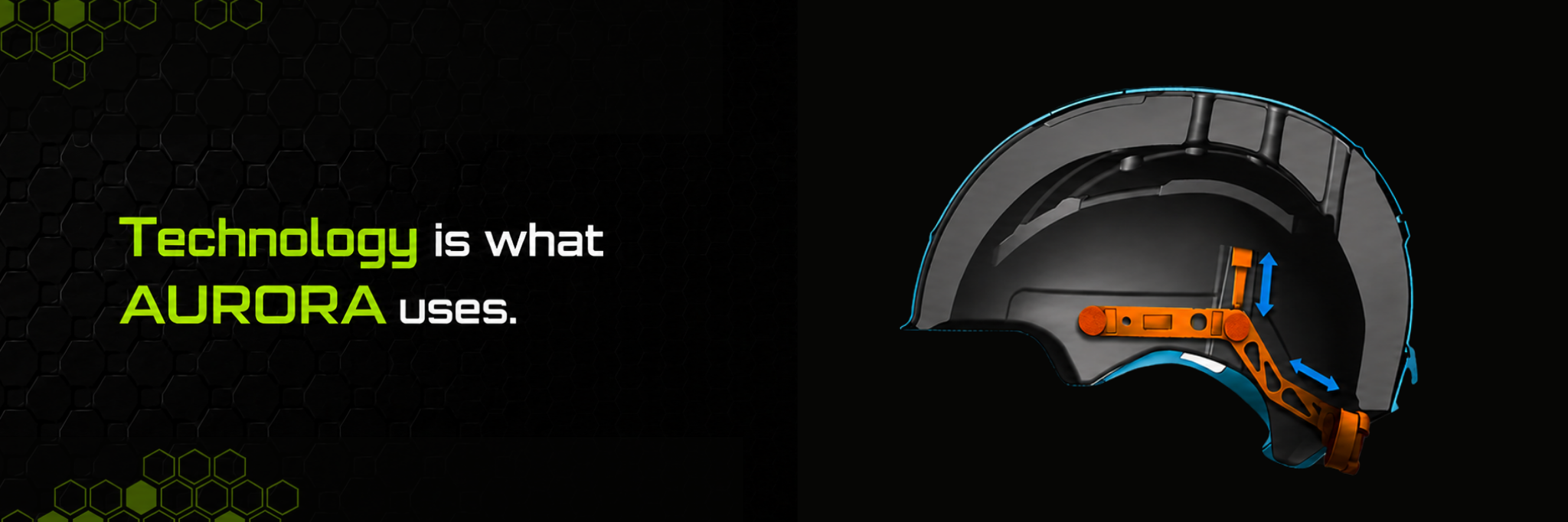
Plastic injection molding

Plastic Injection Molding Technology
Precision Tooling. Consistent Parts. Production-Ready Manufacturing.
Plastic injection molding is one of the most efficient manufacturing technologies for producing precise, durable and repeatable plastic components at scale.
At Aurora Sports, we combine injection molding with product engineering, DFM, precision mold tooling, CNC machining, quality control and assembly to support customers from initial product development through mass production.
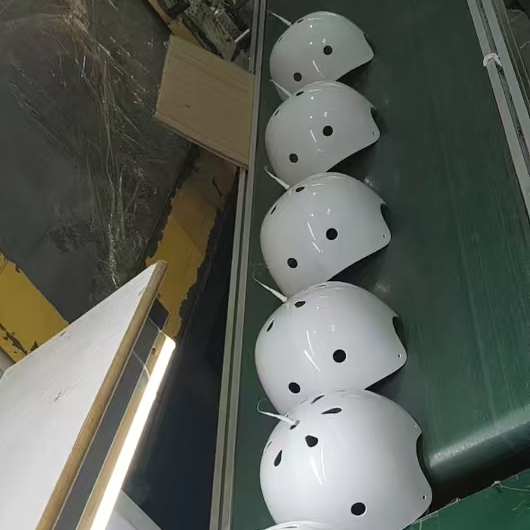
Our experience extends from helmet and protective-equipment components to sports, safety, outdoor and other custom plastic products.
For us, successful injection molding does not begin at the molding machine.
It begins with engineering and a well-designed mold.
What Is Plastic Injection Molding?
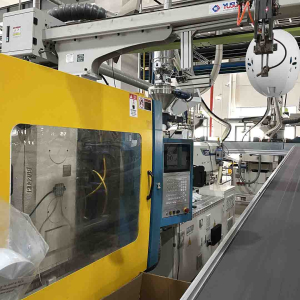
Plastic injection molding uses heat to melt thermoplastic material and controlled pressure to inject it into a precision-machined mold.
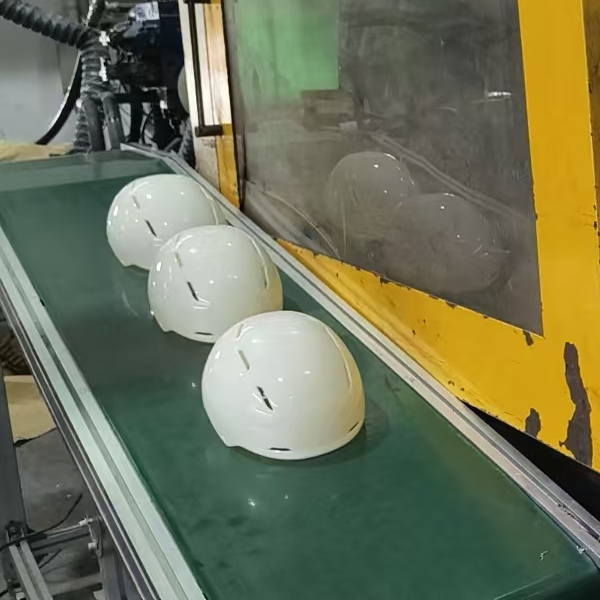
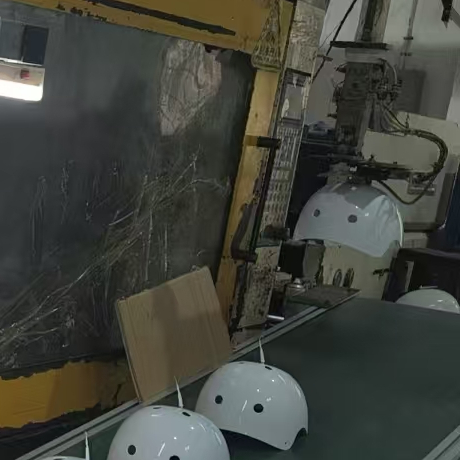
The material fills the mold cavity, cools and solidifies into the required geometry. The mold then opens and the completed component is ejected.
Material Preparation → Melting → Injection → Cooling → Ejection → Inspection
This highly repeatable process makes injection molding particularly suitable for products requiring complex geometry, consistent dimensions, integrated functional features and scalable mass production.
Material selection depends on the product requirements. Different engineering plastics can be selected according to characteristics such as strength, flexibility, impact resistance, weight, surface appearance, temperature resistance and durability.
Precision Starts With the Tooling
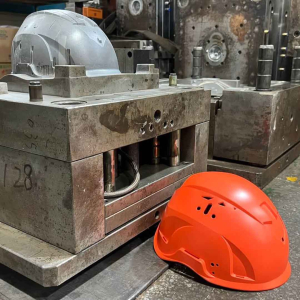
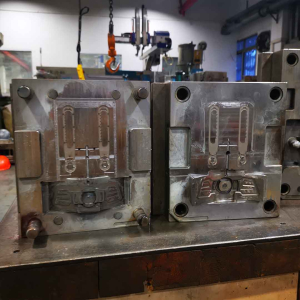
A high-quality injection-molded component depends heavily on the quality of the mold behind it.
Aurora’s in-house tooling and mold-making experience allows our engineers to consider manufacturing requirements early in product development rather than waiting until a design is ready for production.
During DFM and tooling development, our engineers evaluate factors such as parting lines, draft angles, wall thickness, ribs, undercuts, gate locations, material flow, cooling, ejection and dimensional stability.
These details can have a major influence on the finished component.
Poor tooling or insufficient DFM can lead to issues such as warpage, sink marks, flash, short shots, burn marks, inconsistent dimensions or unnecessary cycle time.
By considering these factors before tooling is finalized, our goal is to develop molds that are not only capable of producing the required geometry, but are also designed for stable, repeatable and efficient production over the life of the project.
From DFM to Mass Production
Injection molding is not an isolated manufacturing step.
Aurora approaches each project as a complete production system:
Product Requirements → Engineering & DFM → Mold Design → Tooling → Trial Molding → Inspection & Improvement → Mass Production → Assembly & Quality Control
Because engineering, tooling and production teams work closely together, potential manufacturing challenges can be identified earlier.
This also makes communication more efficient when a mold needs modification, optimization or long-term maintenance after production begins.
The objective is simple:
Design the part for production.
Build the mold for consistency.
Control the process for repeatable quality.
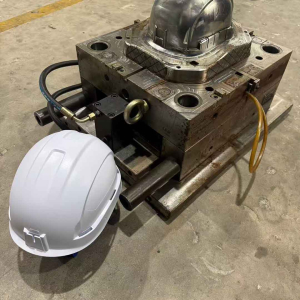
Custom Injection-Molded Components
Injection molding provides considerable design freedom and can be used to manufacture both small functional components and larger structural parts.
For helmet and protective-product projects, applications can include fit-system components, adjustment mechanisms, visors, mounts, clips, buckles, internal reinforcement frames, protective housings, structural components and other custom plastic parts.
The same manufacturing capabilities can also support sports equipment, outdoor products, safety products, consumer products and other OEM/ODM applications.
Depending on the project, components can incorporate complex surfaces, ribs, mounting features, snap fits, openings, logos, textures and other functional details directly into the molded part.
Material Selection Matters
Choosing the right plastic is an important part of injection-molded product development.
A material that works well for a rigid structural component may not be suitable for a flexible clip, impact-resistant housing or lightweight reinforcement frame.
Our engineering team evaluates the intended application together with factors such as mechanical performance, flexibility, impact requirements, operating environment, appearance, manufacturability and cost before determining an appropriate molding solution.
Material, product geometry and mold design must work together.
More Than an Injection Molding Supplier
For brands developing a new product, managing engineering, tooling, molding and assembly through separate suppliers can create unnecessary communication and production challenges.
Aurora provides an integrated development and manufacturing approach.
Our capabilities combine industrial design, product engineering, DFM, rapid prototyping, CNC machining, mold tooling, plastic injection molding, testing support, assembly and quality control.
This gives customers a manufacturing partner that can understand not only how to mold the component, but also how that component fits into the complete product.
Whether you already have production-ready CAD files or are starting from an initial product concept, our team can evaluate the design, identify manufacturing challenges and help develop a practical path toward mass production.
Custom Plastic Injection Molding With Aurora Sports
Every injection molding project is different.
A simple component may require straightforward tooling, while a highly engineered product may involve complex mold structures, multiple components, demanding surface requirements or integration with other materials and manufacturing processes.
Our role is to find the right balance between:
Part Performance + Tooling Precision + Production Efficiency + Quality + Cost
From initial DFM through tooling, trial production and mass manufacturing, Aurora Sports supports customers developing custom injection-molded parts, OEM products and ODM projects.
Have a Plastic Injection Molding Project?
Send us your CAD file, drawing, existing sample or product concept.
Our engineering and tooling team can review your requirements and help determine the appropriate material, tooling structure and manufacturing process for reliable mass production.
Contact Aurora Sports to discuss your custom plastic injection molding project.