OEM/ODM Helmet Manufacturing
From Helmet Concept to Reliable Mass Production
Aurora Sports provides OEM and ODM helmet manufacturing services for brands, distributors, retailers, startups and established companies worldwide.
Whether you already have a completed helmet design ready for production or need support developing a new product from an initial concept, our engineering and manufacturing teams can support the complete process.
With more than three decades of helmet development and production experience, Aurora combines:
Design → Engineering → Prototyping → Tooling → Testing Support → Manufacturing → Decoration → Quality Control → Mass Production
Our goal is to help customers develop helmets that are not only attractive and functional, but also practical to manufacture consistently at scale.
OEM vs. ODM Helmet Manufacturing
Although OEM and ODM are often used together, they represent different development approaches.
OEM Helmet Manufacturing
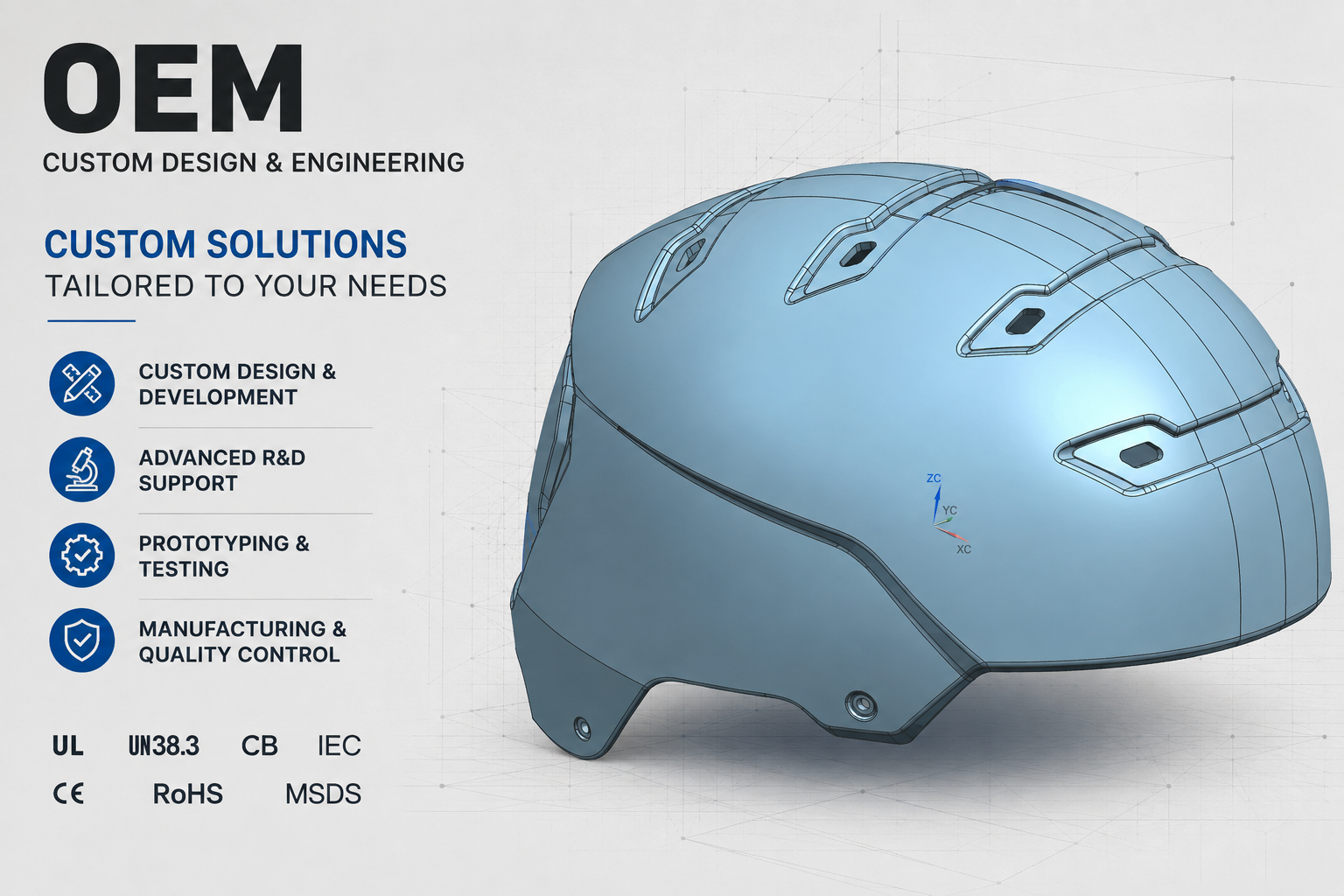
OEM — Original Equipment Manufacturing — is generally suitable when the customer already owns or controls the product design and requires a manufacturing partner to bring that design into production.
Aurora can support OEM projects through:
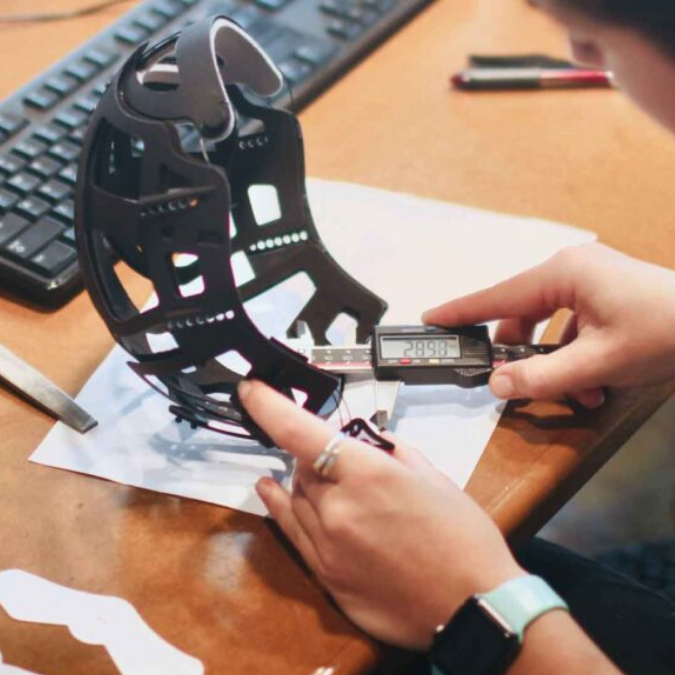
- Design-for-manufacturing review
- Engineering refinement
- Material and component sourcing
- Tooling development
- Prototype and sample production
- Product validation
- Testing support
- Quality control
- Production engineering
- Mass-production scale-up
- Packaging and branding integration
OEM manufacturing allows customers to maintain their product identity, specifications and brand direction while leveraging Aurora’s helmet manufacturing, engineering and production capabilities.
ODM Helmet Development
ODM — Original Design Manufacturing — is suitable for customers who need product-development support in addition to manufacturing.
A project may begin with a market idea, design direction, reference product or performance target rather than a completed production design.
Aurora can support ODM projects through:
- Product concept development
- Industrial design
- Helmet engineering
- Material and construction selection
- Prototype development
- Tooling
- Product validation
- Testing support
- Production engineering
- Mass-production scale-up
ODM development allows customers to combine their brand strategy and market knowledge with Aurora’s helmet engineering and manufacturing experience.