Helmet Laboratory Testing & Product Validation
Test Earlier. Learn Faster. Engineer Better Helmets.
Developing a successful helmet requires more than good design and reliable manufacturing.
Helmet laboratory testing and product validation play an essential role throughout product development, helping engineers evaluate performance, identify potential weaknesses, compare design solutions and prepare products for certification and mass production.
At Aurora Sports, in-house laboratory testing is integrated with our broader helmet engineering, prototyping and manufacturing capabilities.
Rather than waiting until a finished helmet reaches an external certification laboratory, our development teams can use internal testing throughout the engineering process to collect data, evaluate design changes and improve product readiness.
Prototype → Test → Analyze → Improve → Retest
Testing becomes an engineering tool—not simply a final pass-or-fail event.
Why Helmet Testing Matters
A helmet is a safety product.
Appearance, weight, ventilation and comfort are important, but they do not provide engineers with enough information to understand how the complete helmet will behave under defined test conditions.
Depending on the helmet category and applicable standard, testing may help evaluate:
- Impact performance
- Structural behavior
- Retention-system performance
- Chin-strap strength
- Helmet stability
- Penetration resistance
- Material behavior
- Component durability
- Environmental conditioning
- Manufacturing consistency
- Production repeatability
The resulting data allows engineers to make more informed product-development decisions.
Testing Throughout the Helmet Development Process
Helmet testing should not begin only after production tooling has been completed.
Aurora can incorporate evaluation at multiple stages of development.
Early Engineering Review
Before physical testing begins, engineers can review helmet geometry, materials, construction, fit systems and target standards to identify potential development challenges.
Prototype Testing
Suitable development prototypes can be evaluated to understand how the proposed helmet structure behaves and where further engineering work may be required.
Design Optimization
Testing results can help guide modifications to areas such as:
- EPS density
- EPS geometry
- Shell construction
- Helmet coverage
- Ventilation openings
- Internal reinforcement
- Retention systems
- Component integration
- Material selection
Pre-Certification Evaluation
As a design approaches production intent, internal testing can help identify potential issues before formal certification samples are submitted to an independent laboratory or certification body.
Production Verification
Testing can also support ongoing quality programs by evaluating selected production samples and comparing them with approved requirements.
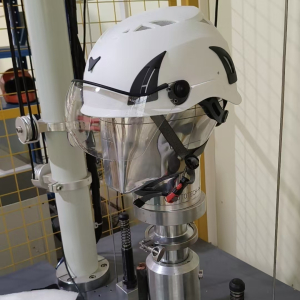
Helmet Impact Testing
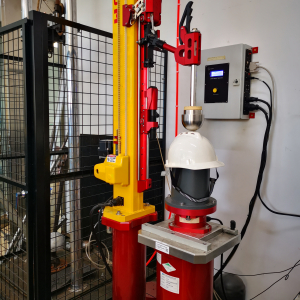
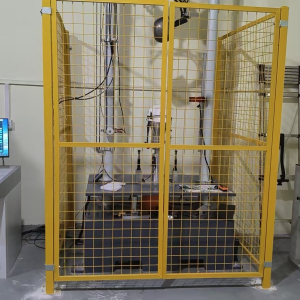
Impact testing is one of the most important aspects of helmet development.
Under controlled laboratory conditions, helmet samples are subjected to defined impacts so engineers can evaluate how the complete helmet structure manages impact energy.
Development testing may be used to compare:
- Different EPS densities
- EPS thicknesses
- Shell constructions
- Helmet geometries
- Vent configurations
- Reinforcement structures
- Material combinations
- Design revisions
A helmet should not be evaluated by one material characteristic alone.
Its behavior depends on how the shell, EPS liner, reinforcement, geometry and other components work together as a complete system.
Retention System & Chin-Strap Testing
A helmet must not only manage impact energy—it also needs a retention system designed to keep the helmet correctly positioned.
Depending on the helmet category and applicable test requirements, evaluation may include:
- Chin-strap strength
- Strap elongation
- Buckle performance
- Retention durability
- Adjustment-system function
- Attachment-point performance
- Component interaction
Testing these systems during development can help identify potential issues before final product validation.
Roll-Off & Helmet Stability Evaluation
Helmet geometry, fit and retention-system design can influence how securely a helmet remains positioned.
Depending on the applicable test standard, development evaluation may include roll-off or helmet stability testing.
These evaluations consider the relationship between:
Helmet Geometry + Fit + Retention System + Strap Configuration
They can provide important feedback when engineers are refining the helmet’s fit and retention architecture.
HPI — Helmet Positioning Index
Accurate helmet testing begins with accurate sample positioning.
For applicable bicycle helmet test procedures, HPI means Helmet Positioning Index.
HPI defines the manufacturer-specified position of the helmet on the reference headform before the appropriate test line and test areas are established.
It is important to understand that:
HPI is not a performance score or helmet rating.
It is a positioning reference used during test preparation.
Correct positioning matters because changes in helmet location on the headform can affect the test area and ultimately influence how the test is conducted.
This is why professional helmet testing requires attention not only to the test equipment itself, but also to:
- Correct headform selection
- Helmet positioning
- Test-line determination
- Sample conditioning
- Test setup
- Applicable standard procedures
Helmet Component Testing
Modern helmets contain many functional components beyond the shell and EPS liner.
Development evaluation may also involve:
- Buckles
- Fit systems
- Adjustment mechanisms
- Straps and webbing
- Visor attachments
- Padding systems
- Accessory interfaces
- Injection-molded components
- Attachment systems
Evaluating individual components can sometimes identify weaknesses before they affect the complete helmet assembly.
Material Evaluation
Material selection can significantly influence helmet weight, manufacturing and performance.
EPS Materials
For EPS helmet liners, engineers may consider:
- Density
- Thickness
- Geometry
- Weight
- Molding characteristics
- Energy-management behavior
- Production consistency
Higher-density EPS is not automatically better.
The appropriate material and density depend on the complete helmet architecture, target weight and intended performance requirements.
Polycarbonate & Plastic Components
PC shells and injection-molded components may be evaluated according to factors such as:
- Material grade
- Thickness
- Geometry
- Manufacturing behavior
- Component integration
- Durability requirements
Carbon Fiber & Composite Materials
For advanced composite helmet constructions, development may involve evaluation of:
- Carbon-fiber layup
- Fiber orientation
- Resin system
- Shell thickness
- Hybrid constructions
- Material combinations
- Structural geometry
Testing allows engineers to evaluate the finished construction rather than relying only on theoretical material properties.
Environmental Conditioning
Depending on the helmet category and applicable test standard, samples may need to be conditioned before testing.
Evaluation programs can involve defined exposure to factors such as:
- High temperature
- Low temperature
- Moisture
- Water
- Aging
- Other specified environmental conditions
Conditioning procedures vary according to the helmet standard and intended market.
The laboratory therefore needs to understand not only how to perform the test, but also how the sample must be prepared before the test begins.
Different Helmet Categories Require Different Testing Equipment
One of the most important points in professional helmet development is that there is no single universal helmet-testing machine capable of properly evaluating every type of helmet.
Different helmet categories are developed around different hazards, performance requirements and standards.
As a result, laboratories may require different:
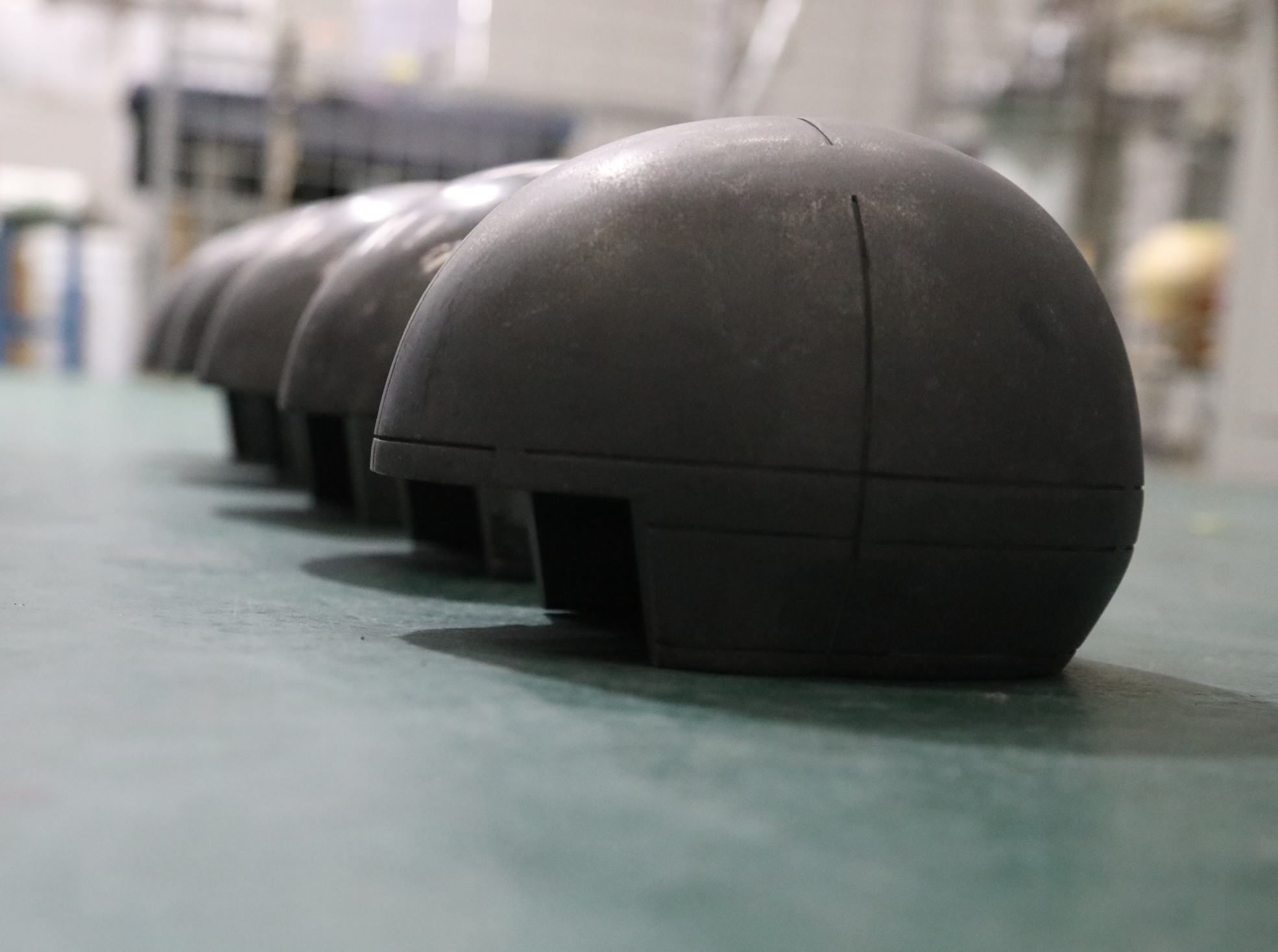
- Headforms
- Impact anvils
- Drop configurations
- Penetration equipment
- Retention fixtures
- Roll-off and stability equipment
- Conditioning equipment
- Measurement systems
- Electrical testing equipment
- Flammability testing equipment
- Specialized fixtures and instrumentation
A laboratory configured primarily for sports helmet development should not automatically be assumed to have the equipment required to properly evaluate industrial safety helmets.
Sports Helmet Testing vs. Industrial Safety Helmet Testing
A bicycle helmet, snow helmet, skate helmet and industrial safety helmet may all be worn on the head, but their test requirements can be significantly different.
For example, industrial safety helmets developed for standards such as ANSI/ISEA Z89.1 Type II or relevant CSA requirements may require specialized evaluation beyond the equipment commonly associated with conventional sports helmets.
Depending on the helmet type, electrical class and applicable standard, requirements may involve areas such as:
- Crown impact
- Lateral impact
- Penetration
- Off-center penetration
- Retention
- Stability
- Electrical performance
- Flammability
- Environmental conditioning
These evaluations can require specialized equipment, fixtures, procedures and technical expertise.
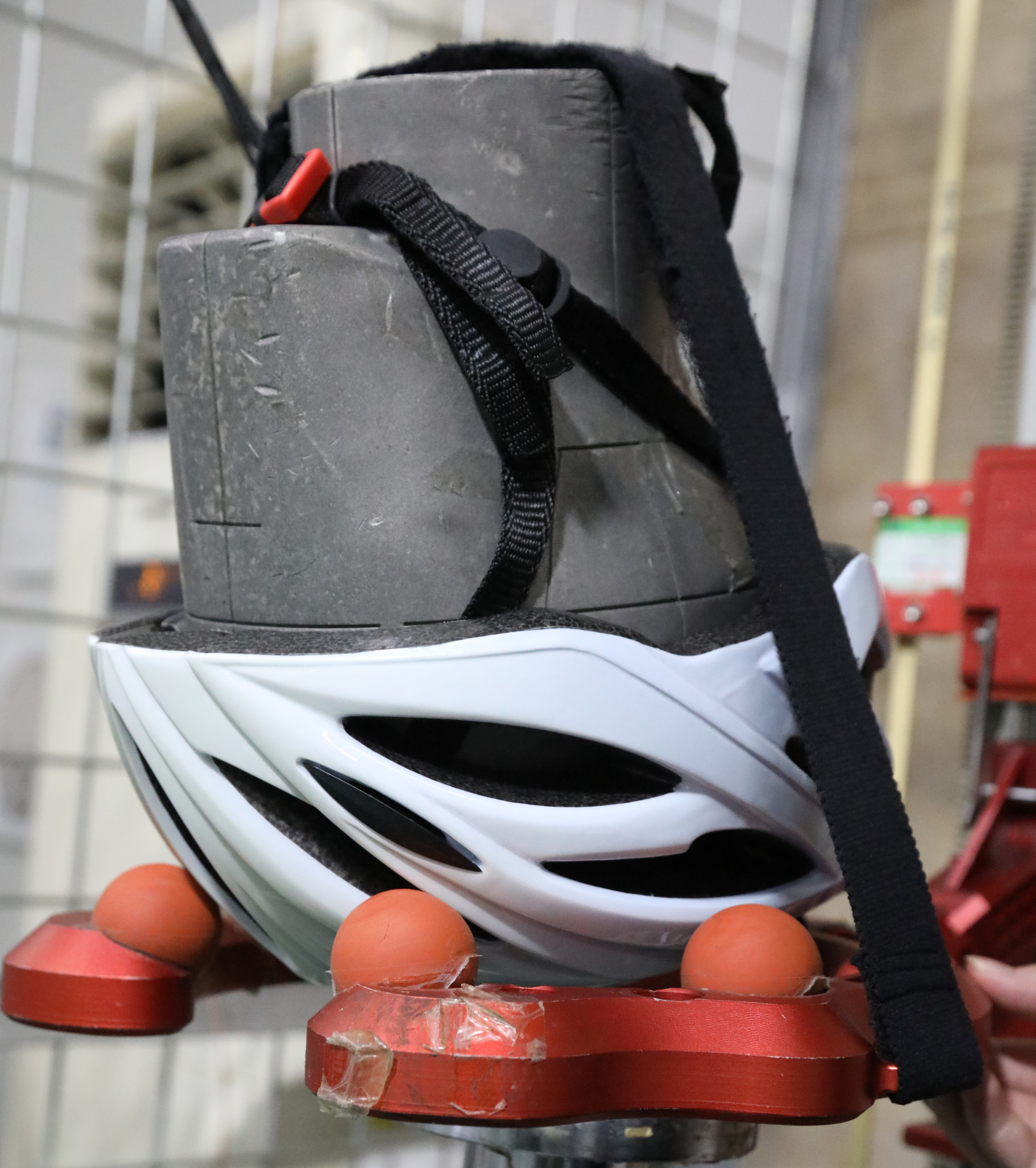
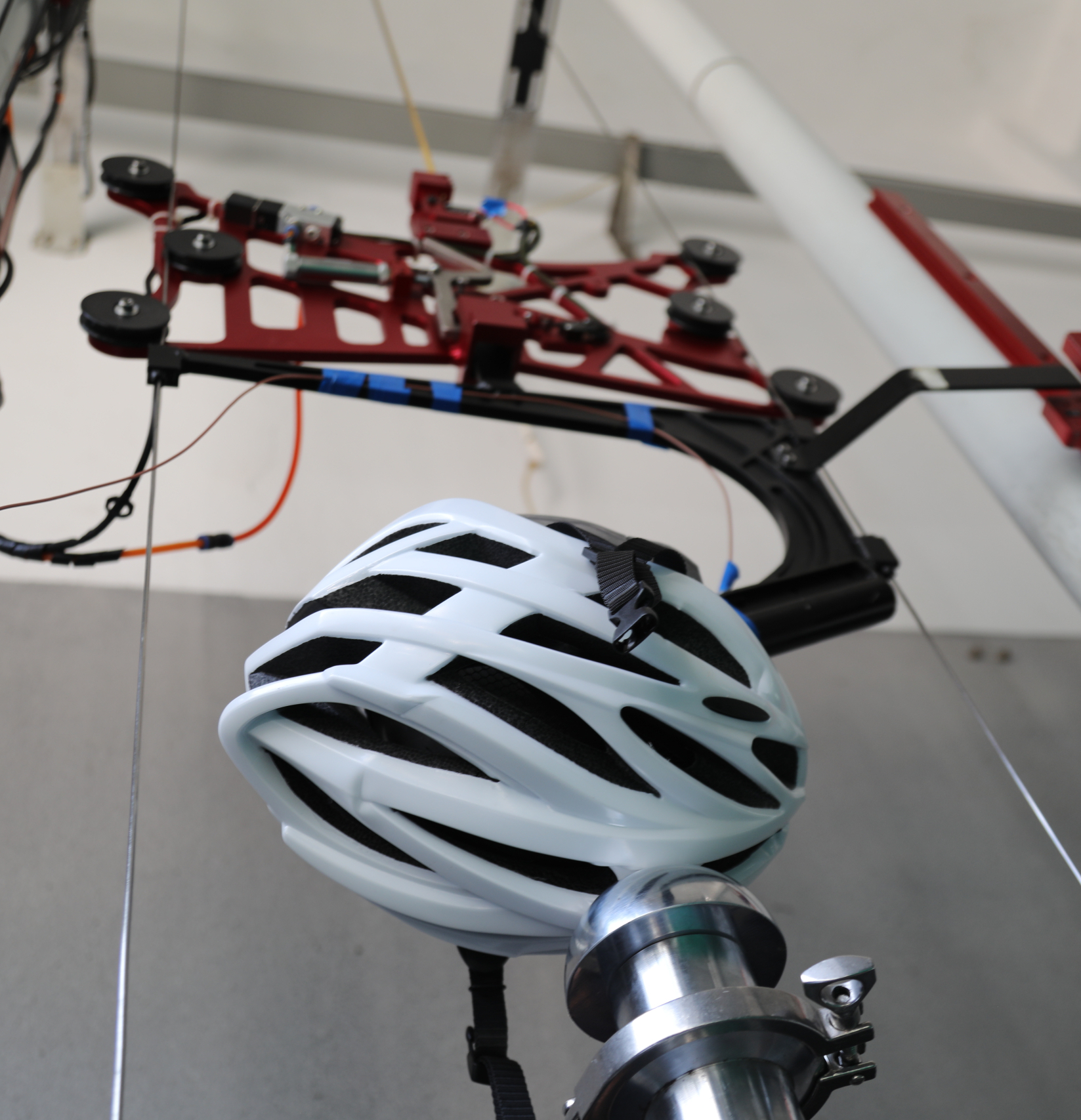
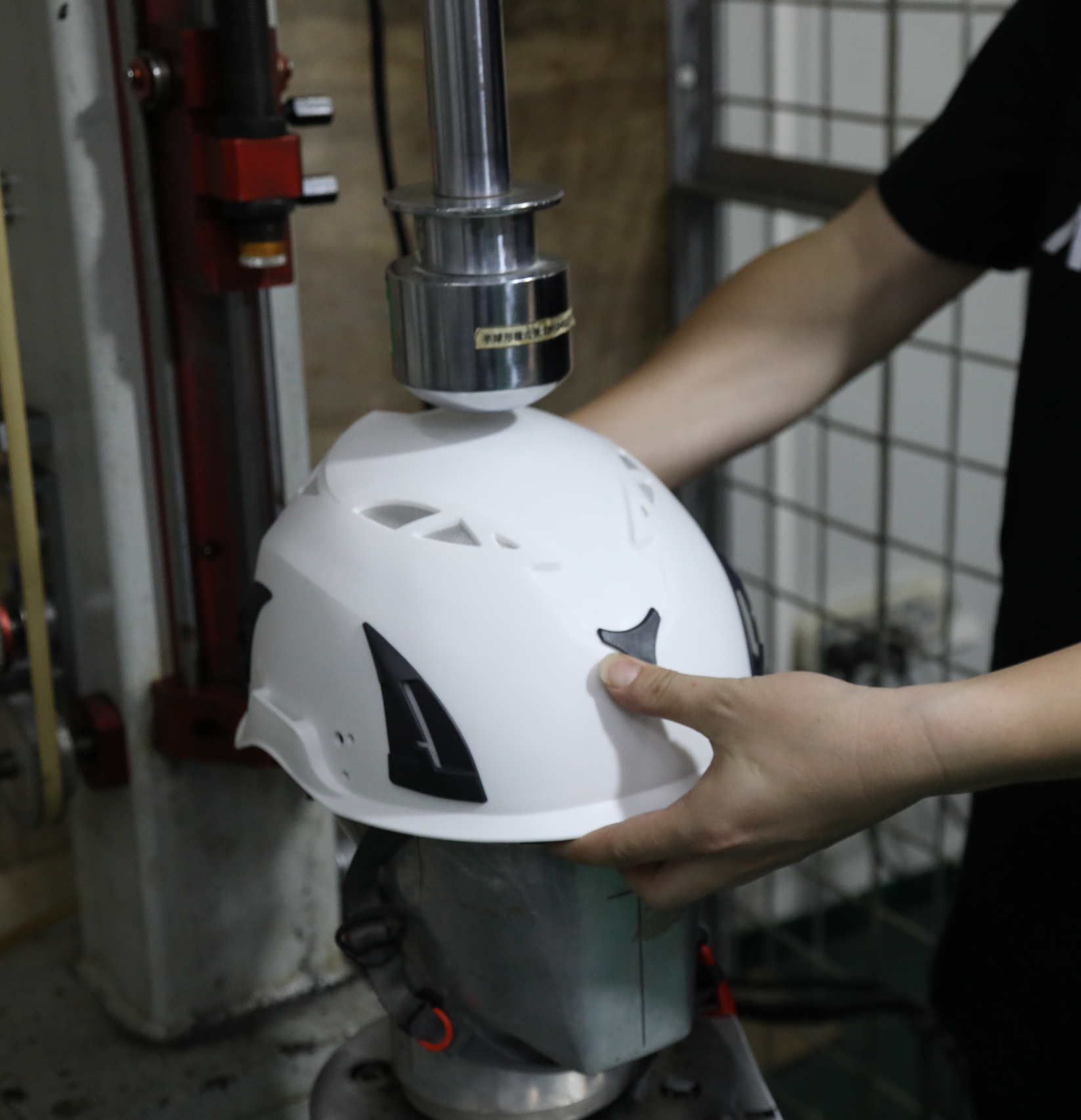
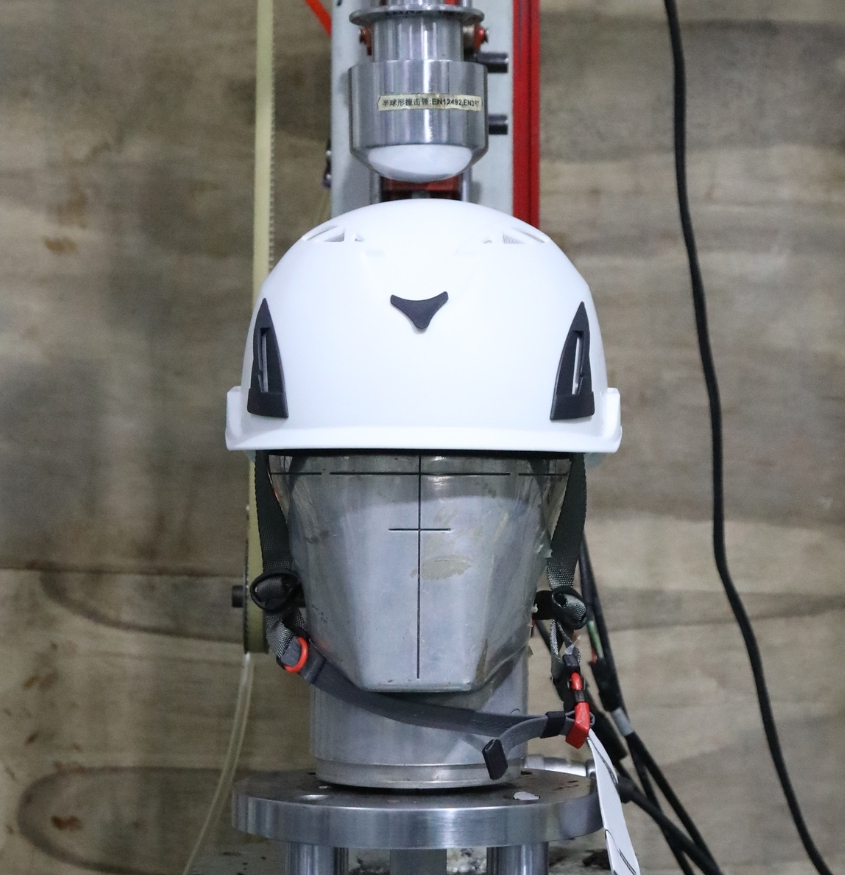
Testing Capability Should Match the Helmet Category
At Aurora, we believe the development and validation strategy should begin with the actual product requirements.
A professional program can begin with:
Helmet Category → Target Market → Applicable Standard → Required Test Methods → Required Equipment → Development & Validation Plan
Different products can therefore require different testing strategies.
Bicycle & Mobility Helmets
Development may involve:
- Correct headform selection
- HPI positioning
- Impact testing
- Retention evaluation
- Roll-off or stability testing
- Environmental conditioning
Sports & Outdoor Helmets
Snow, skate, equestrian, climbing, water-sports and other helmet categories can each require different performance evaluations and test methods.
Industrial Safety Helmets
Industrial safety helmet programs may require more specialized equipment and evaluation related to:
- Crown and lateral impact
- Penetration
- Off-center penetration
- Retention systems
- Stability
- Electrical classification
- Flammability
- Environmental exposure
The exact program should always be determined according to the intended standard and target market.
Manufacturing a New Helmet Category Requires More Than a New Mold
This distinction is also important when selecting a helmet manufacturing partner.
A factory experienced in bicycle or recreational sports helmets cannot simply be assumed capable of moving immediately into highly specialized industrial safety helmets.
Developing a new category—such as an ANSI Type II or CSA-targeted safety helmet—may require investment in:
Standards Knowledge + Engineering Expertise + Specialized Laboratory Equipment + Tooling + Materials + Manufacturing Processes + Quality Systems
Producing the physical shape of the helmet is only one part of the challenge.
The manufacturer must also understand how to:
- Engineer the product
- Develop suitable materials and structures
- Build appropriate prototypes
- Conduct meaningful internal testing
- Prepare for certification
- Control manufacturing consistency
- Maintain production quality
This is why experience within the specific helmet category matters.
More Than Owning a Test Machine
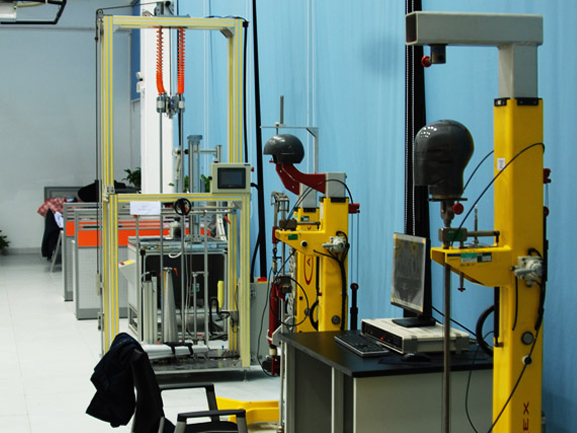
A professional helmet laboratory is not defined simply by having an impact test tower.
Meaningful product validation depends on the combination of:
Correct Standard + Correct Equipment + Correct Headform + Correct Conditioning + Correct Test Setup + Experienced Technicians + Accurate Data + Engineering Interpretation
The equipment generates data.
The engineering team needs to understand what that data means and how the helmet design should respond to it.
Test results may influence engineering decisions involving:
- EPS density
- EPS geometry
- Shell thickness
- Shell construction
- Internal reinforcement
- Helmet coverage
- Ventilation
- Retention systems
- Material selection
- Component design
This is how laboratory testing becomes part of product engineering rather than simply a final inspection procedure.
Testing as Part of Engineering Optimization
One of the greatest advantages of internal development testing is the ability to iterate more quickly.
Consider a highly ventilated bicycle helmet.
An engineer may want to enlarge a vent to improve airflow and reduce weight.
However, this change may also affect:
- EPS geometry
- Material distribution
- Structural support
- Shell design
- Overall helmet behavior
Instead of relying only on assumptions, the development team can:
Modify Design → Build Prototype → Test → Review Data → Refine Design
The same approach can be used when evaluating:
- EPS density changes
- Weight reduction
- New reinforcement structures
- Shell revisions
- Fit-system changes
- Material substitutions
- New helmet concepts
Testing provides measurable information to support engineering decisions.
Development Testing vs. Official Certification
This distinction is important.
Aurora’s in-house laboratory supports product development, engineering evaluation, pre-certification testing and production quality verification.
Internal development testing does not replace formal third-party certification where independent certification is required by the applicable market, standard or customer.
Official certification should be conducted according to the relevant standard through the appropriate qualified or accredited laboratory or certification body.
Aurora’s role is to help customers develop and evaluate products before that final certification stage.
The objective is simple:
Identify potential problems before formal certification submission—not after.
From Prototype Testing to Certification & Production
Aurora integrates testing into the complete helmet-development workflow:
Product Concept
↓
Industrial Design
↓
Engineering
↓
Prototype Development
↓
Internal Laboratory Testing
↓
Engineering Analysis
↓
Design Optimization
↓
Production Tooling
↓
Pre-Certification Evaluation
↓
Third-Party Certification
↓
Pilot Production
↓
Production Quality Verification
↓
Mass Production
This connection allows designers, engineers, testing technicians, tooling teams and production teams to work toward the same product objectives throughout development.
Quality Verification During Production
Testing remains important after development is complete.
Depending on the product and customer requirements, production-quality programs may include:
- Incoming material inspection
- Component inspection
- In-process checks
- Dimensional verification
- Finished-product inspection
- Selected production-sample testing
- Cosmetic inspection
- Packaging inspection
The objective is to help maintain consistency between the:
Approved Product → Pilot Production → Mass Production
Why In-House Helmet Testing Matters
When every engineering modification requires samples to be shipped externally before receiving test feedback, each development cycle can take considerably longer.
Internal laboratory capability allows engineering teams to obtain information earlier in the process.
This can help:
- Identify potential issues earlier
- Compare different constructions
- Accelerate prototype iterations
- Reduce unnecessary tooling changes
- Improve preparation for certification
- Support production consistency
- Reduce development risk
Most importantly, the test results can be communicated directly between the engineering, prototyping, tooling and manufacturing teams.
Aurora Helmet Testing & Product Validation
Aurora combines:
Industrial Design + Engineering + Prototyping + Material Evaluation + Laboratory Testing + Tooling + Manufacturing + Quality Control
Our objective is not simply to ask:
“Does the helmet pass this test?”
We also want to understand:
“What does the test data tell us about the helmet, and how can that information help improve the design?”
That engineering mindset turns laboratory testing into a valuable part of helmet product development.
Develop & Validate Your Next Helmet With Aurora
Developing a new bicycle helmet, sports helmet, industrial safety helmet or custom protective product?
Start by sharing a general overview of the product category, target market and development objectives. Our engineering team can then discuss the appropriate development, prototyping and validation strategy.
For confidential projects involving unreleased products, proprietary constructions or technical intellectual property, an NDA can be established before CAD files, drawings, prototypes, test data or other sensitive technical information are shared.
Talk to Aurora Sports about your next helmet development, laboratory testing and product-validation project.
