
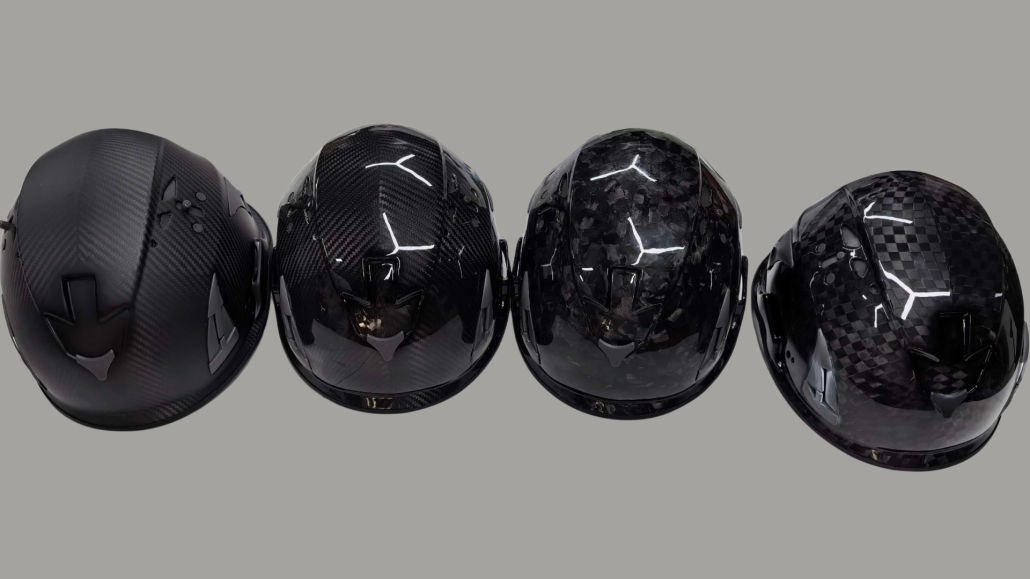
True Carbon-Fiber Safety Helmet Shells
More Than a Carbon-Fiber Finish
Carbon fiber has a distinctive woven appearance that immediately suggests performance, precision and premium construction.
However, not every helmet with a carbon-fiber pattern has a carbon-fiber shell.
Some helmets use paint, printed film or hydrographic dipping to create the appearance of carbon fiber over an ABS or polycarbonate shell. These decoration methods can produce an attractive finish, but they do not change the underlying shell material.
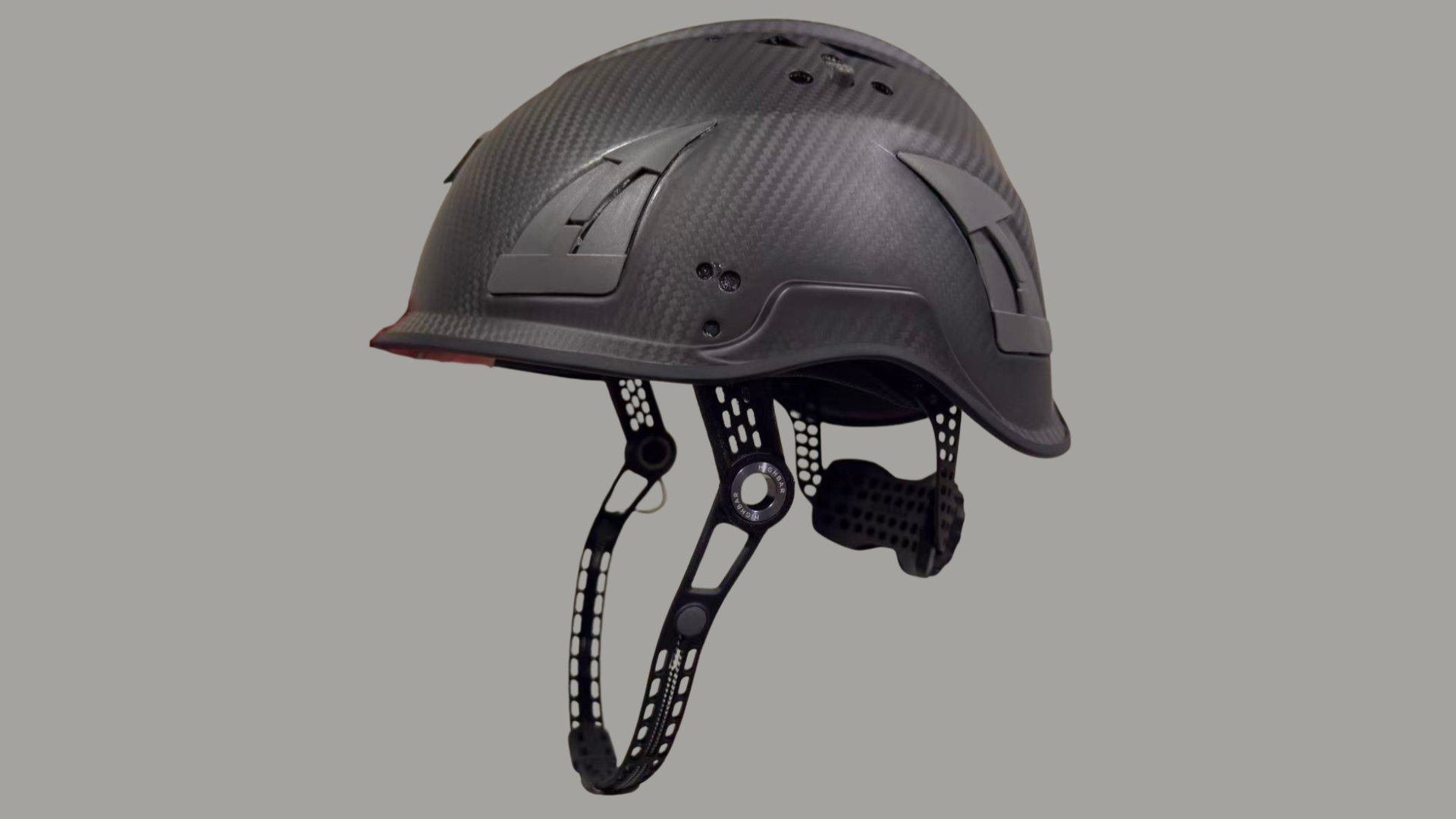
A true carbon-fiber helmet shell is different. Carbon fiber is part of the helmet’s actual structural construction.
Aurora Sports can develop and manufacture true carbon-fiber and composite helmet shells for suitable custom helmet projects—not simply carbon-fiber-patterned finishes.
Carbon-Fiber Pattern vs. True Carbon-Fiber Shell
The difference is beneath the surface.
Carbon-Fiber-Patterned Finish
A decorative carbon-fiber appearance may be created using:
- Hydrographic dipping
- Printing Film
- Water-transfer graphics
- Decals
- Paint or surface decoration
The helmet’s structure is still made from the material underneath, such as ABS or PC. The carbon pattern is primarily cosmetic.
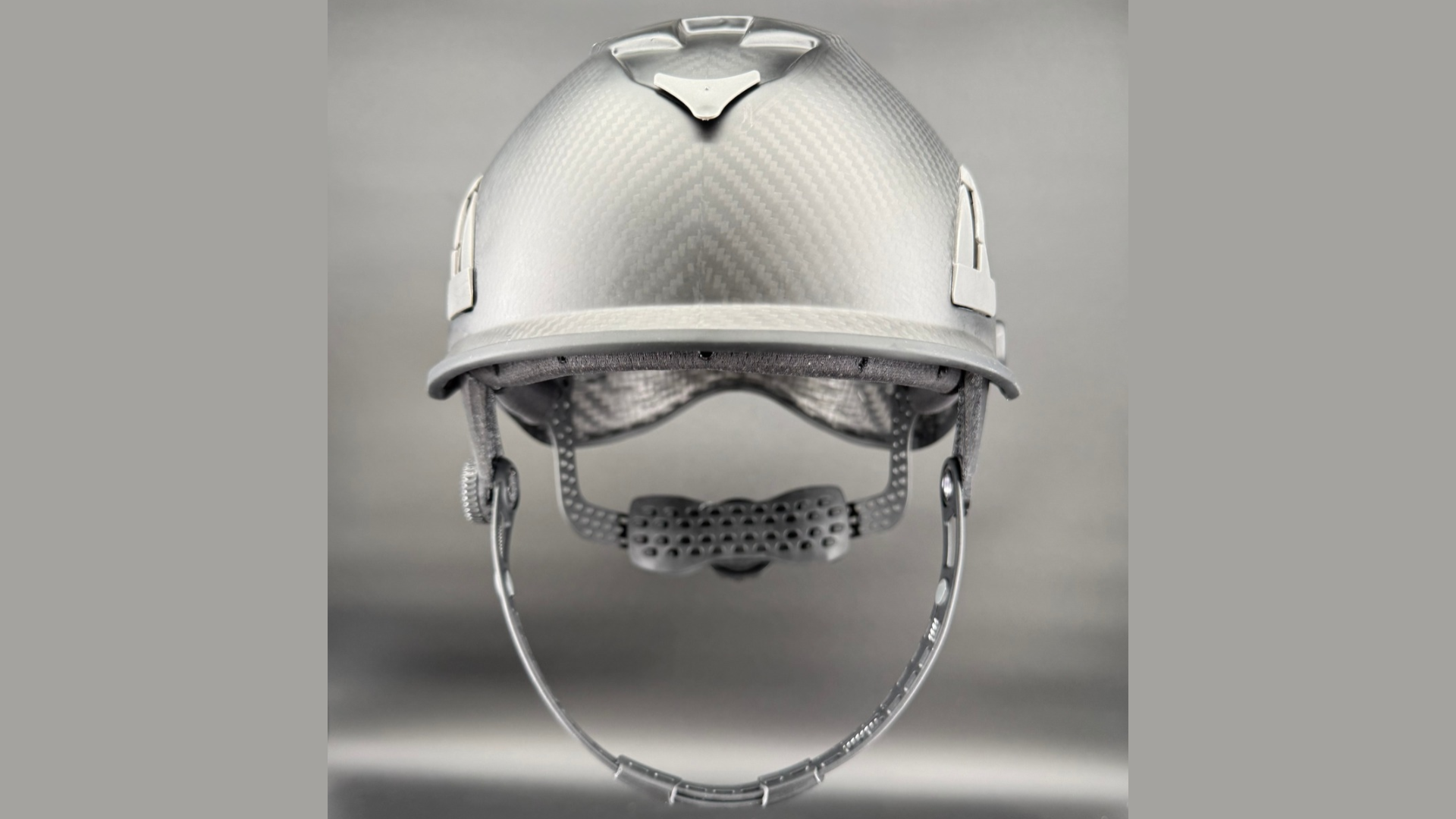
True Carbon-Fiber Shell
A true carbon-fiber shell is manufactured from carbon-fiber reinforcement combined with a resin system to create a composite structure.
The carbon fabric is not added only for appearance—it contributes to the shell’s stiffness, strength and overall construction.
One looks like carbon fiber. The other is engineered with carbon fiber.
Why Use Carbon Fiber for a Helmet Shell?
Carbon fiber is known for its high strength-to-weight and stiffness-to-weight properties. When properly engineered into a composite, it can provide significant structural performance without the weight associated with some alternative materials.
Potential advantages for suitable helmet projects include:
- Low shell weight
- High stiffness
- High tensile strength
- Corrosion resistance
- Low thermal expansion
- Premium material appearance
- Greater flexibility in composite layup and reinforcement
This can make carbon fiber attractive for performance-focused, specialty and premium helmets where weight and structural design are important.
However, carbon fiber does not automatically make a helmet safer or more durable.
Its performance depends on:
- Fiber type and orientation
- Number of material layers
- Resin system
- Shell thickness
- Mold design
- Manufacturing consistency
- Curing conditions
- Liner construction
- Complete helmet geometry
- Intended safety standard
A properly designed carbon-fiber composite shell can be lightweight and durable, but those qualities must be demonstrated through engineering and testing of the complete helmet.
How Is a Carbon-Fiber Helmet Shell Made?
The exact manufacturing process depends on the helmet design, composite system, production quantity and performance requirements. A typical development route may include the following stages.
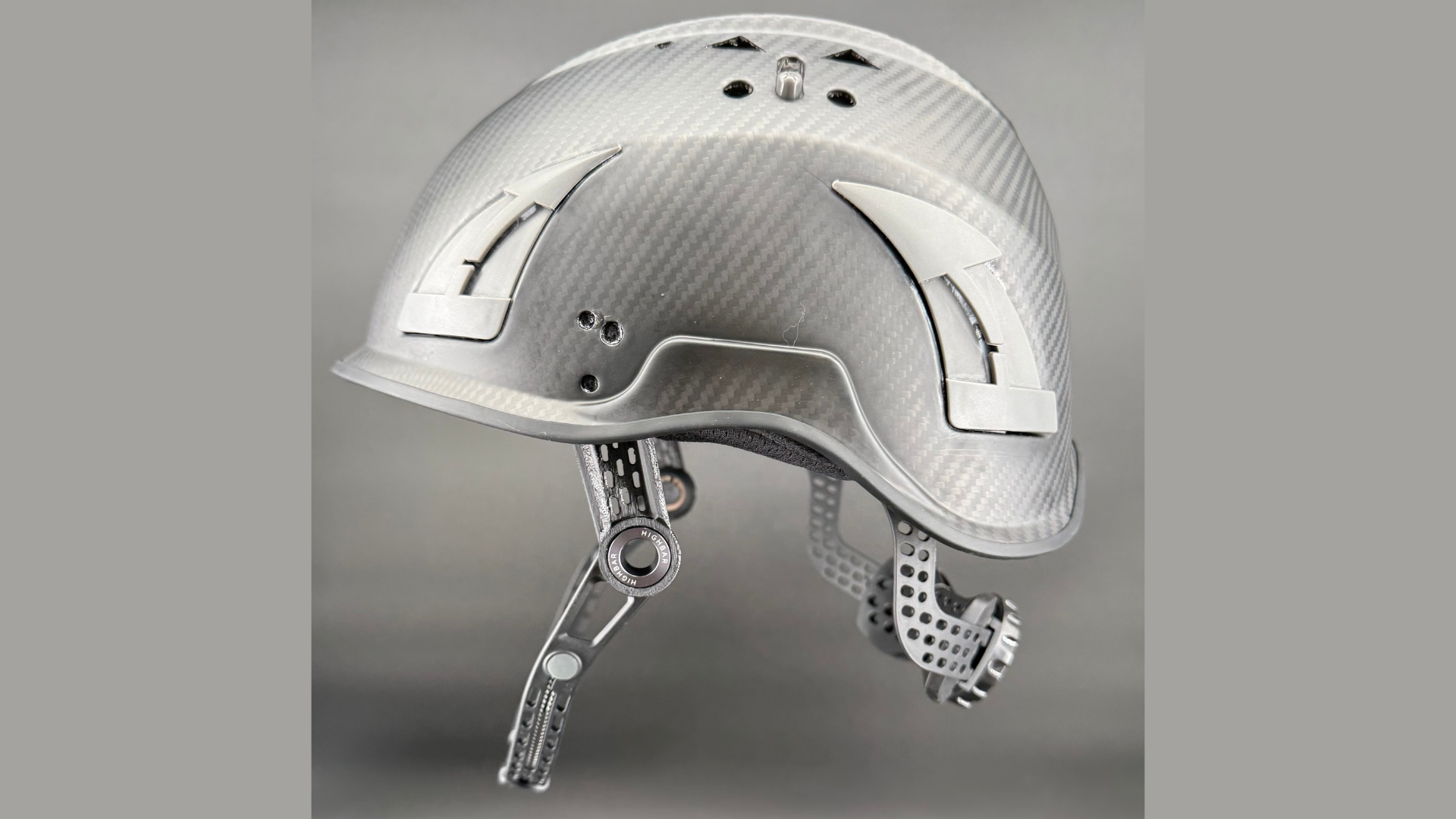
1. Helmet Design and Engineering
The project begins by defining:
- Intended application
- Target safety standard
- Shell geometry and coverage
- Desired weight
- Impact-liner construction
- Ventilation requirements
- Retention and fit systems
- Accessories and attachment points
- Production quantity
The shell cannot be developed separately from the rest of the helmet. Its geometry must work with the liner, padding, straps, adjustment system and other components.
2. Mold and Tooling Development
A dedicated mold is created to control the shell’s shape, surface and dimensions.
The tooling must account for:
- Material buildup
- Fiber placement
- Parting lines
- Shell thickness
- Edge definition
- Vent and opening locations
- Trimming allowances
- Fit with the impact liner
- Production repeatability
3. Carbon-Fiber Material Preparation
Carbon fiber may be supplied as woven fabric, unidirectional reinforcement, prepreg or another composite form.
Material sections are cut according to prepared patterns. The orientation of each layer matters because carbon fiber performs differently depending on the direction of the fibers.
4. Layer Placement
The carbon-fiber layers are positioned inside the mold according to the approved layup schedule.
Some areas may require additional reinforcement, while other areas may use fewer layers to control weight. Consistent placement is important for maintaining shell dimensions and structural performance.
5. Resin, Consolidation and Curing
Depending on the selected process, resin may already be incorporated into the material or introduced during manufacturing.
The layers are consolidated to reduce excess resin, trapped air and gaps between materials. The shell is then cured under controlled conditions so the fiber and resin form a rigid composite structure.
The specific combination of heat, pressure, vacuum and curing time depends on the chosen manufacturing method.
6. Demolding and Trimming
After curing, the shell is removed from the mold.
Excess material is trimmed, and required openings may be cut for:
- Ventilation
- Straps
- Fit-system components
- Visors
- Accessory mounts
- Other helmet hardware
This stage requires careful dimensional control so the shell fits the liner and assembly components correctly.
7. Surface Finishing
The shell can then be inspected, cleaned and finished.
Depending on the project, the woven carbon appearance may remain visible beneath a clear finish, or the shell may receive paint, graphics or another approved surface treatment.
8. Helmet Integration and Assembly
The completed shell is integrated with the appropriate:
- EPS or EPP impact liner
- Comfort padding
- Retention system
- Chin strap
- Fit system
- Buckles
- Visors or accessories
Aurora Sports can combine carbon-fiber shells with different helmet structures, including EPP liner systems and hybrid constructions, depending on the product requirements.
9. Testing and Validation
The complete helmet—not only the shell—must be evaluated against the requirements for its intended use and market.
Testing may include:
- Impact-energy attenuation
- Penetration resistance
- Retention-system performance
- Environmental conditioning
- Fit and coverage
- Component attachment
- Product-specific certification tests
A successful carbon-fiber shell does not guarantee that the assembled helmet will meet a safety standard. Certification performance depends on how every component works together.
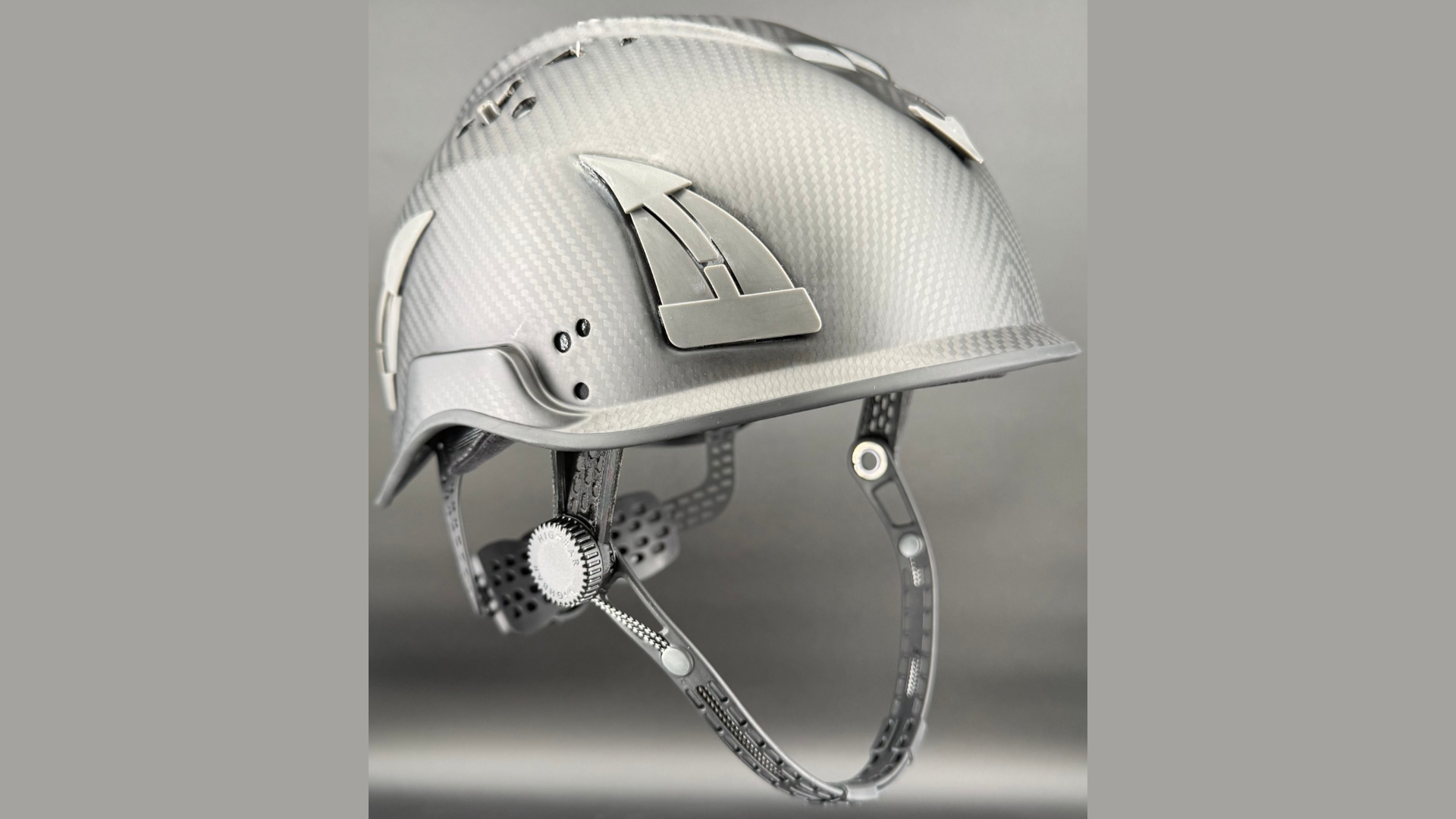
Is Carbon Fiber Suitable for Every Safety Helmet?
No.
Carbon fiber is electrically conductive. This makes material selection especially important for industrial helmets intended to provide electrical insulation.
A carbon-fiber shell should not be assumed to meet electrical-protection requirements such as ANSI Class E or an applicable European electrical-insulation standard. Electrical performance must be specifically engineered and tested.
Carbon fiber may be better suited to projects where the primary goals include:
- Weight reduction
- High stiffness
- Premium construction
- Specialized shell geometry
- Performance-focused applications
- Hybrid composite structures
The correct shell material should always be selected around the intended hazards and applicable standard—not appearance alone.
Full Carbon-Fiber and Hybrid Helmet Construction
Not every carbon-fiber helmet needs to use the same construction.
Depending on the project, carbon fiber may be used for:
- A complete structural outer shell
- A carbon-fiber upper shell
- A hybrid carbon-fiber and PC construction
- Composite reinforcement in selected areas
- Specialized structural components
Aurora’s existing AU-S09 ski helmet, for example, uses a hybrid construction combining a carbon-fiber upper shell with PC and in-mold EPS. Aurora can also evaluate full carbon-fiber shells for specialized helmet development.
Carbon-Fiber Helmet Development at Aurora Sports
Aurora Sports supports custom carbon-fiber and composite helmet projects from initial design through manufacturing.
Our capabilities include:
- Industrial design
- CAD engineering
- Composite-shell development
- Carbon-fiber processing
- Prototype development
- Precision tooling
- EPS and EPP liner development
- Fit and retention systems
- Padding and textile development
- Helmet assembly
- Testing support
- Quality control
- Packaging
- ODM development
- OEM manufacturing
Aurora’s development process connects carbon-fiber manufacturing with the other technologies required to create a complete helmet.
Build the Shell Around the Application
The decision to use carbon fiber should begin with the product’s intended use—not simply the desired appearance.
A true carbon-fiber helmet shell can offer a lightweight, stiff and premium composite structure when the material, layup, tooling and complete helmet system are properly engineered.
For some projects, a full carbon-fiber shell may be appropriate. For others, a hybrid construction or conventional ABS or PC shell may provide a better balance of performance, cost and manufacturing requirements.
Planning a custom carbon-fiber safety or sports helmet? Contact Aurora Sports to discuss the intended application, target standard, construction, quantities and development requirements.
Contact Us:
📱 +1 (657) 762-7550


