
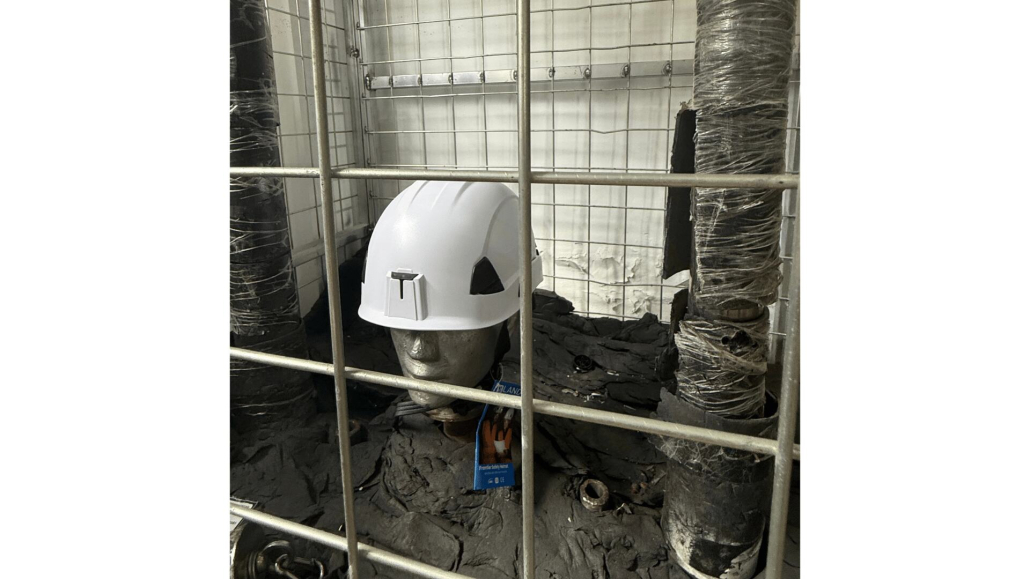
ANSI Z89.1-2026 Explained
Type I+, Type II+ and New Safety Helmet Requirements
The U.S. industrial head protection standard has been updated. What does it mean for helmet brands, manufacturers, and PPE distributors?
Industrial head protection is evolving, and so are the standards behind it.
The newly released ANSI/ISEA Z89.1-2026 standard introduces two additional helmet designations: Type I+ and Type II+, alongside the familiar Type I and Type II classifications.
These new designations introduce enhanced requirements for helmet retention, chin-strap performance, and certain impact tests.
But does that mean existing safety helmets are obsolete? Does every helmet now need a chin strap? And will manufacturers need to redesign their products?
Not necessarily.
For helmet brands, importers, and PPE distributors, understanding these changes is important—especially when developing new products or planning private-label and OEM helmet programs.
At Aurora Sports, we work with customers on custom helmet development, from engineering and tooling to manufacturing and testing coordination.
Let’s break down what’s changing and what helmet buyers should know.
1. What’s New in ANSI/ISEA Z89.1-2026?
ANSI/ISEA Z89.1 is the American National Standard for Industrial Head Protection. It establishes performance and testing requirements for industrial safety helmets.
The 2026 edition maintains the existing helmet Type and electrical Class systems.
Helmet Type identifies impact-protection requirements:
- Type I: Primarily top-impact protection.
- Type II: Top and lateral-impact protection.
Helmet Class identifies electrical-protection requirements:
- Class C: No electrical protection.
- Class G: General electrical protection.
- Class E: Higher electrical-protection requirements.
The biggest update is the introduction of two additional designations: Type I+ and Type II+.
According to the International Safety Equipment Association (ISEA), other notable updates include:
- Standardized chin-strap testing for helmets with the new “+” designations.
- Enhanced helmet-retention testing.
- Expanded impact testing for Type I+ helmets.
- Additional testing considerations for applicable “+” helmets designed for reverse wearing.
- Updated terminology from High Visibility (HV) to Enhanced Visibility (EV).
These changes provide additional ways to evaluate helmet performance and help safety professionals select head protection based on workplace hazards.
For helmet manufacturers, they also introduce new considerations for product design, components, and testing.
Source: ISEA — ANSI/ISEA Z89.1-2026 Head Protection Standard
2. Type I vs. Type I+ vs. Type II vs. Type II+: What’s the Difference?
One of the most important things to understand is that Type I+ is not the same as Type II.
The new “+” designations add specific performance requirements to their respective helmet types. They do not replace the existing classifications.
Here’s a simplified comparison:
| Helmet Type | Key Performance Requirements |
|---|---|
| Type I | Top-impact force transmission and penetration resistance. |
| Type I+ | Type I requirements plus additional off-center force-transmission and enhanced retention testing, including a required chin strap. |
| Type II | Top and lateral-impact performance, including off-center penetration resistance. |
| Type II+ | Type II requirements plus enhanced retention testing and a required chin strap. |
Type I: Traditional Top-Impact Protection
Type I helmets are primarily designed to reduce the force of impacts to the top of the head.
They are widely used in construction, manufacturing, and other industrial environments where falling objects are a concern.
Type I+: Expanded Impact and Retention Testing
Type I+ builds on Type I requirements by adding:
- A required chin strap.
- Chin-strap retention testing.
- Helmet-retention effectiveness testing.
- Off-center force-transmission testing at the front, rear, and sides.
These additional tests evaluate aspects of impact performance and how effectively the helmet remains positioned on the wearer’s head.
However, Type I+ does not automatically provide the same tested protection as Type II.
Type II: Top and Lateral-Impact Protection
Type II helmets include additional performance requirements for lateral impacts and off-center penetration resistance.
These helmets may be considered for workplaces where the hazard assessment identifies potential impacts from different directions.
Type II+: Enhanced Retention Requirements
Type II+ builds on Type II protection by introducing additional retention requirements, including:
- A required chin strap.
- Chin-strap retention testing.
- Enhanced helmet-retention effectiveness testing.
The key takeaway: A “+” designation does not automatically make one helmet the right choice for every job. Helmet selection should always begin with the hazards of the intended workplace.
3. Are Chin Straps Now Required on All Safety Helmets?
No. ANSI/ISEA Z89.1-2026 does not require every industrial safety helmet to have a chin strap.
The new Type I+ and Type II+ designations require chin straps and additional retention testing.
Traditional Type I and Type II classifications remain part of the standard. For Type II helmets supplied with chin straps, applicable chin-strap testing requirements still matter.
This distinction is especially important for brands developing multiple helmet models.
Why Chin-Strap Design Matters
A chin strap may seem like a small accessory, but its performance depends on more than the strap itself.
The complete retention system can involve:
- Shell attachment points.
- Strap materials and webbing.
- Two-point or four-point attachment configurations.
- Buckles and strap dividers.
- Suspension or impact-liner construction.
- Fit-adjustment systems.
- Helmet geometry and stability.
A strap that feels secure during normal use may behave differently under standardized testing conditions.
Simply adding a chin strap to an existing helmet does not make it Type I+ or Type II+.
The complete helmet configuration must be evaluated against the applicable requirements.
For OEM and ODM development, this means retention-system design should be considered early—not treated as a last-minute accessory upgrade.
4. Are Helmets Tested to Earlier ANSI Editions Now Obsolete?
No, not automatically.
ISEA has clarified that the 2026 revision does not automatically make currently compliant head protection obsolete.
The new “+” designations provide additional performance options rather than requiring every employer to immediately replace existing helmets.
Employers should continue evaluating head protection based on:
- Workplace hazard assessments.
- Applicable regulations and purchasing requirements.
- Helmet Type and electrical Class.
- Product markings and manufacturer instructions.
- Helmet condition and serviceability.
- Intended applications.
OSHA also emphasizes selecting head protection according to workplace hazards rather than assuming one helmet type is appropriate for every job.
For helmet brands and distributors, the practical approach is to review existing products, documentation, and customer requirements before deciding whether an upgrade is necessary.
Sources: ISEA — Updated Head Protection Standard | OSHA — Head Protection Interpretation
5. Will Existing Helmet Designs Need New Tooling?
This is one of the most practical questions for helmet manufacturers and private-label brands.
The answer depends on the existing helmet design and the performance requirements you want to achieve.
Some helmet platforms may already incorporate features that support the new requirements. Others may need additional engineering work or component changes.
Manufacturers may need to evaluate:
- Shell geometry and coverage.
- Shell and impact-liner materials.
- Suspension design.
- Chin-strap attachment points.
- Buckles and webbing.
- Fit-system stability.
- Internal clearances.
- Accessory interfaces.
- Off-center impact performance.
- Retention performance, including applicable reverse-wearing configurations.
Depending on the results, potential changes could include new chin-strap components, reinforced attachment points, revised suspensions, liner adjustments, or modified shell tooling.
Does Every Upgrade Require a New Mold?
Not necessarily.
An existing platform may be suitable for further development without a completely new helmet shell mold.
However, changes affecting shell geometry, attachment locations, or impact performance could require tooling modifications or new tooling.
At Aurora Sports, we encourage customers to review their target helmet classification before investing in tooling.
Early engineering evaluation can help identify practical development options and reduce the risk of costly redesigns.
Learn more about our injection molding capabilities.
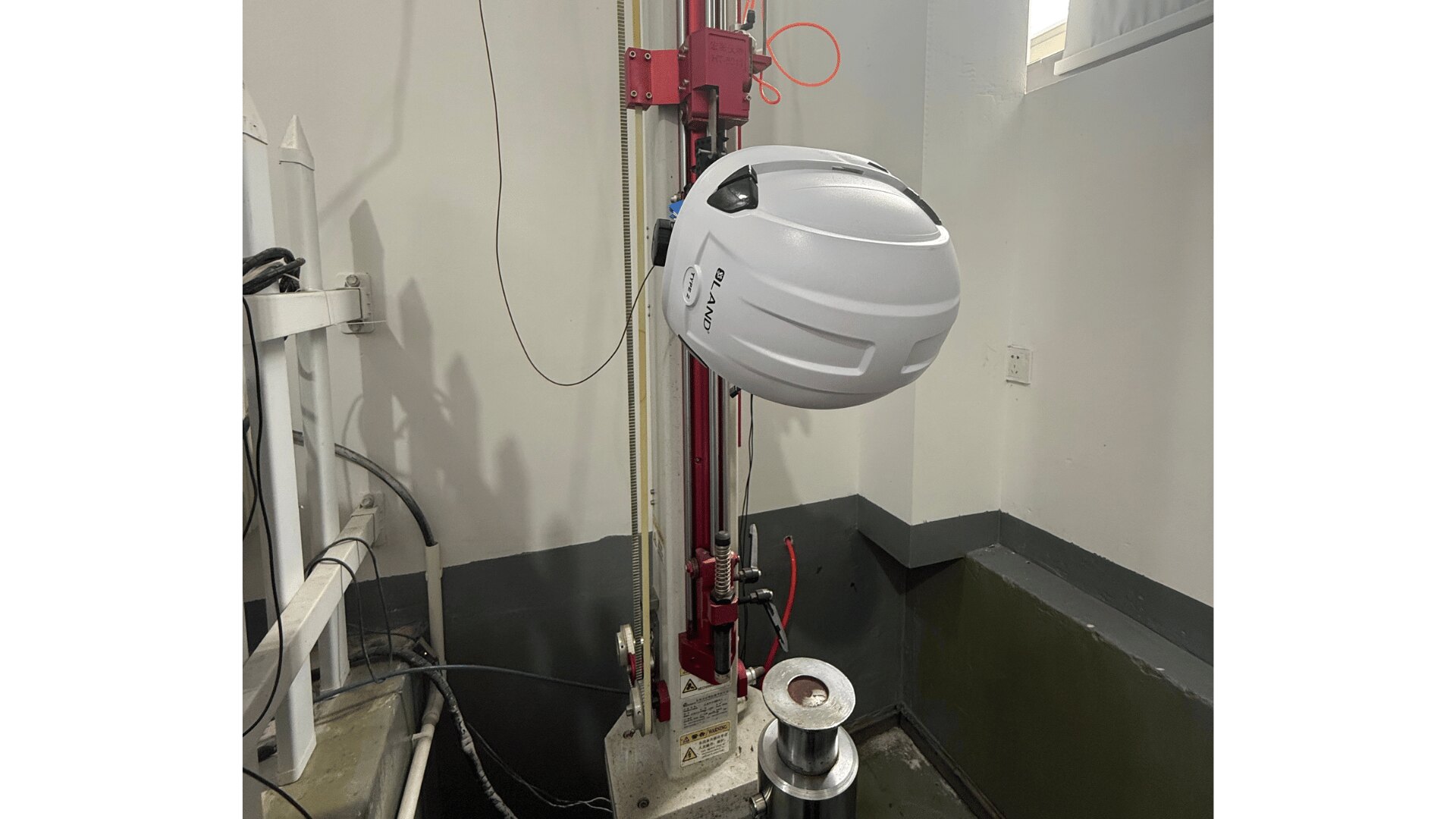
6. Does a Type I+ or Type II+ Helmet Require New Testing?
A helmet cannot claim a new “+” designation simply because it has a chin strap or resembles another tested model.
The claimed designation must be supported by testing against the applicable ANSI/ISEA Z89.1-2026 requirements.
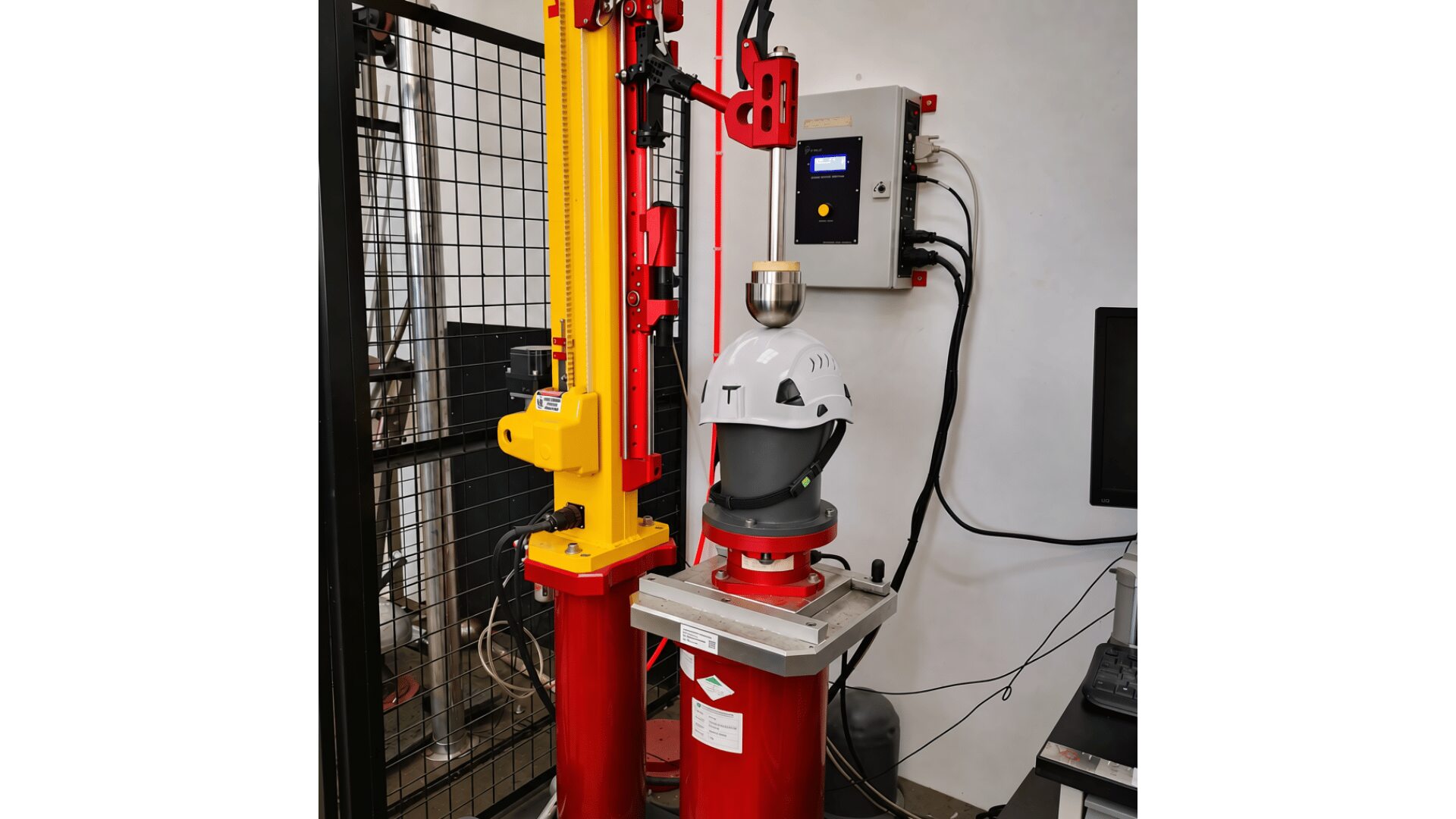
Depending on the classification, testing may include:
- Top-impact force transmission.
- Penetration resistance.
- Off-center force transmission.
- Lateral impact-energy attenuation.
- Off-center penetration resistance.
- Chin-strap retention.
- Helmet-retention effectiveness.
- Required environmental conditioning.
- Applicable reverse-wearing evaluations.
- Electrical testing for the claimed Class.
Not every test applies to every helmet designation. The actual testing program depends on the product’s intended classification and configuration.
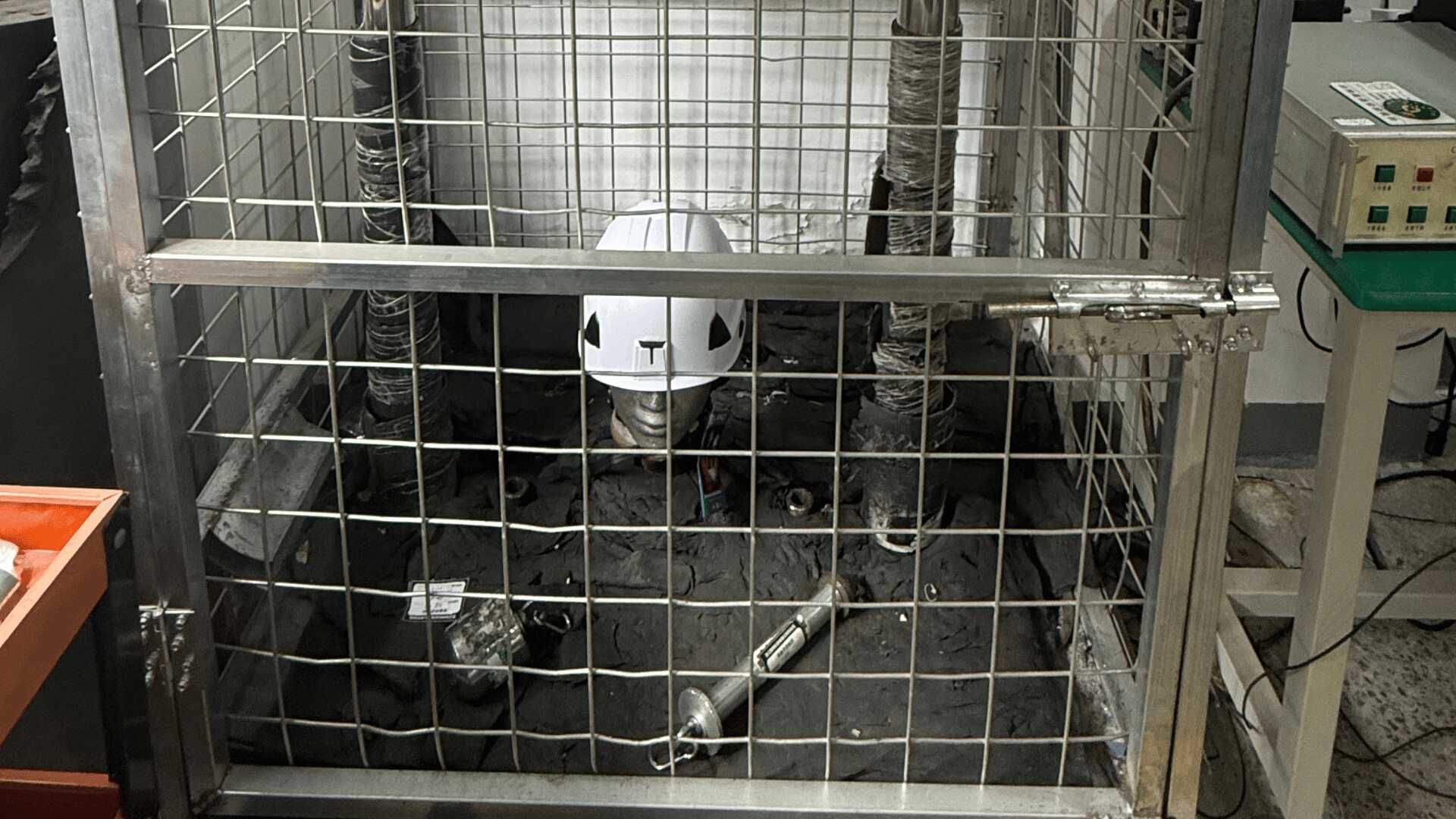
Why Production Configuration Matters
Testing is not just about the helmet shell.
The samples evaluated should represent the intended finished product, including its relevant components and construction.
Changing critical materials, buckles, suspension systems, liners, or other components after testing may affect the validity of the original evaluation.
For private-label buyers, it’s important to confirm exactly which product configuration is covered by the available test documentation.
7. What Should Private-Label Helmet Brands Do Next?
If you’re sourcing industrial safety helmets or planning a new product line, the 2026 update is a good opportunity to review your current products and future development plans.
Here are five practical steps.
Step 1: Review Your Existing Helmet Documentation
Start by confirming:
- Applicable ANSI standard edition.
- Helmet Type and electrical Class.
- Covered helmet sizes.
- Shell and liner specifications.
- Suspension and fit-system configurations.
- Chin-strap design.
- Approved accessories.
- Available test reports and certification documentation, where applicable.
This helps establish what your current product has actually been evaluated to meet.
Step 2: Decide Whether a “+” Designation Fits Your Market
Not every customer needs the same helmet.
Consider your target industries, workplace hazards, customer expectations, and purchasing requirements.
A Type I+ or Type II+ designation may offer meaningful value for certain applications, but the decision should be based on protection requirements rather than marketing alone.
Step 3: Evaluate Your Existing Helmet Platform
Before developing a completely new helmet, ask your manufacturer whether the existing design could support the intended requirements.
This may involve reviewing shell construction, liners, retention systems, and other safety-critical components.
Step 4: Clarify Testing Responsibilities
Private-label brands should discuss several questions with their manufacturing partners:
- Who will prepare the testing samples?
- Which laboratory will conduct the tests?
- Who will cover testing costs?
- Who owns or controls access to the reports and certificates, if applicable?
- Which product models, sizes, and configurations are covered?
- Will branding or component changes require additional evaluation?
Clear documentation and responsibilities can help prevent confusion later.
Step 5: Update Labels and Marketing Claims Carefully
Product markings, instructions, packaging, and marketing materials must accurately reflect the evaluated product.
Do not add Type I+, Type II+, or ANSI/ISEA Z89.1-2026 claims to a helmet until the relevant configuration has completed the required evaluation and the claims are supported.
A new label is not a substitute for new testing.
8. What Does ANSI Z89.1-2026 Mean for New Helmet Development?
For companies planning a new industrial safety helmet, the updated standard reinforces an important manufacturing principle:
Define the performance requirements before finalizing the design.
The intended helmet Type and Class can influence nearly every major development decision, including:
- Shell geometry and materials.
- Impact-absorbing liners.
- Suspension and fit systems.
- Chin straps and buckles.
- Ventilation design.
- Accessory compatibility.
- Tooling requirements.
- Testing plans.
- Manufacturing and quality-control processes.
Making these decisions early can help reduce unnecessary design changes and repeated testing.
A typical development process may include:
Product Requirements → Engineering → Prototyping → Tooling → Initial Samples → Internal Evaluation → Third-Party Testing Support → Manufacturing → Quality Control
Internal product evaluations can support development, but they should not be presented as equivalent to independent testing or formal certification where applicable.
For helmet brands entering the U.S. market, it is also important to distinguish between a product’s tested performance, any applicable certification, and its compliance obligations.
9. How Aurora Sports Supports Custom Safety Helmet Development
At Aurora Sports, we understand that developing a safety helmet involves more than creating an attractive shell.
Materials, impact protection, retention systems, component compatibility, manufacturing consistency, and testing all play important roles.
We work with helmet brands, importers, and PPE distributors on private-label, OEM, and ODM industrial safety helmet programs.
Depending on the project, our team can support:
- Product Design & Engineering
Evaluate helmet concepts, shell geometry, materials, and component configurations around the target market and performance requirements. - Custom Components & Tooling
Explore shell and liner development, suspension systems, chin straps, buckles, and tooling requirements. - Prototyping & Testing Preparation
Coordinate initial samples, internal evaluations, design revisions, and preparation for appropriate third-party testing. - Manufacturing & Assembly
Support production planning, component assembly, quality control, labeling, and packaging.
Learn more about our manufacturing and assembly capabilities.
Whether you’re continuing with an existing Type I or Type II helmet platform or exploring the new Type I+ and Type II+ designations, the first step is understanding your target market and product requirements.
Aurora Sports can help evaluate development and manufacturing options. Any claimed compliance must be established through the applicable testing and documentation process.
Frequently Asked Questions About ANSI Z89.1-2026
What is ANSI/ISEA Z89.1-2026?
It is the updated American National Standard for Industrial Head Protection. The 2026 edition introduces additional Type I+ and Type II+ designations and associated impact and retention-testing requirements.
- Is Type I+ the same as Type II?
No. Type I+ adds specific off-center impact and retention tests to the Type I foundation. Type II includes its own lateral-impact and off-center penetration requirements. - Are chin straps mandatory under ANSI Z89.1-2026?
Chin straps are required for the new Type I+ and Type II+ designations, but not universally for every Type I or Type II helmet. - Can an existing Type I helmet be upgraded to Type I+?
Potentially, depending on its design. Engineering changes and additional testing may be needed. Adding a chin strap alone does not qualify a helmet for the new designation. - Does the new standard require replacing all older safety helmets?
No. Existing helmets do not automatically become obsolete because of the new standard. Selection and continued use depend on applicable regulations, workplace hazards, manufacturer instructions, and product condition. - Does Type II+ automatically mean Class E?
No. Helmet Type and electrical Class address different performance requirements. A Type II+ helmet must separately meet the applicable requirements for any claimed electrical Class.
For more information, read our guide to Class C vs. Class E Safety Helmets. - Can Aurora Sports help develop helmets for ANSI Z89.1-2026?
Aurora Sports can work with customers to evaluate private-label, OEM, and ODM helmet projects targeting the updated standard. Feasibility, testing requirements, and compliance must be assessed for each specific product configuration.
Final Thoughts: A “+” Is More Than Just a Symbol
The introduction of Type I+ and Type II+ represents an important development in industrial head protection.
For helmet buyers, these designations provide additional ways to evaluate performance.
For helmet manufacturers and private-label brands, they highlight the importance of thoughtful engineering, component selection, retention-system design, and appropriate testing.
A “+” is more than an extra symbol on a helmet label. It represents additional performance requirements that must be evaluated as part of the complete helmet system.
At Aurora Sports, we believe successful helmet development starts with understanding the intended market, identifying the right performance objectives, and planning manufacturing accordingly.
Planning Your Next Safety Helmet Project?
Whether you’re upgrading an existing helmet or developing a new product line, Aurora Sports can help you explore practical OEM, ODM, and private-label manufacturing solutions.
Let’s discuss your helmet design, target market, customization requirements, and development goals.
Technical note: This article provides a general overview based on publicly available information about ANSI/ISEA Z89.1-2026. For detailed testing requirements and compliance decisions, consult the official standard and qualified testing or certification specialists, as applicable.
Contact Us:
📱 +1 (657) 762-7550
📧 sales@aurorasport.com


