What to Ask a Helmet Manufacturer Before a Custom Project
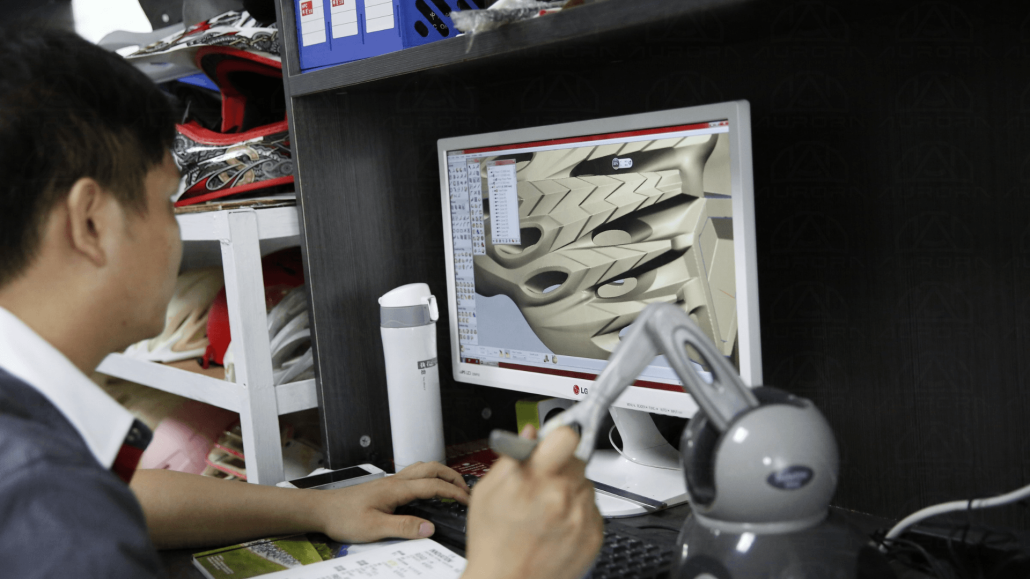
A custom helmet project can begin with something as simple as a sketch, a reference product or a list of desired features.
However, turning that idea into a production-ready helmet requires decisions about its intended use, target market, safety standards, construction, materials, components, tooling, testing, branding and production quantity.
Before choosing a helmet manufacturer, buyers should ask more than:
“How much does each helmet cost?”
The better questions reveal whether the manufacturer understands your project, whether your expectations are realistic and what must happen before mass production can begin.
Here are the questions every buyer should ask.
1. Is My Project Private Label, ODM or OEM?
Start by defining how much product development your project actually requires.
| Development Option | Starting Point | Typical Customization | Best For |
|---|---|---|---|
| Private Label | An existing helmet model | Logos, colors, graphics, labels, instruction manuals and packaging | Brands that want a faster route to market with limited product changes |
| ODM | An existing manufacturer-developed helmet platform | Finishes, components, fit systems, padding, straps, accessories and branding, depending on the model | Brands that want more customization without developing an entirely new helmet |
| OEM | An original customer concept, design or technical specification | Helmet structure, styling, materials, components, ventilation, fit system and other product features | Brands that want to develop their own helmet through design, engineering, prototyping, tooling, testing support and manufacturing |
Ask the manufacturer:
Which development path fits my project, budget, quantity and launch schedule?
Choosing the correct path early can prevent you from paying for development work you do not need—or expecting customization that an existing platform cannot support.
2. Does the Manufacturer Understand My Intended Market?
A helmet should be developed around how and where it will be used.
Before discussing colors or logos, explain:
- The helmet category
- Intended activity or work environment
- Target customer
- Countries where it will be sold
- Expected retail position
- Required features
- Relevant safety standards
A bicycle helmet, equestrian helmet, climbing helmet and industrial safety helmet may require very different constructions, components and testing plans.
Ask the manufacturer:
Have you developed helmets for this category and target market before?
Relevant experience does not automatically guarantee that your helmet will pass testing, but it can help the team identify important requirements earlier.
3. What Can Actually Be Customized?
The word “custom” can mean many different things.
To one buyer, it means adding a logo. To another, it means creating a completely original shell, liner, fit system and accessory platform.
Ask the manufacturer to separate your requested features into three groups:
- Available using an existing platform
- Possible with component or tooling modifications
- Requiring completely new development
Customization may affect:
- Shell construction
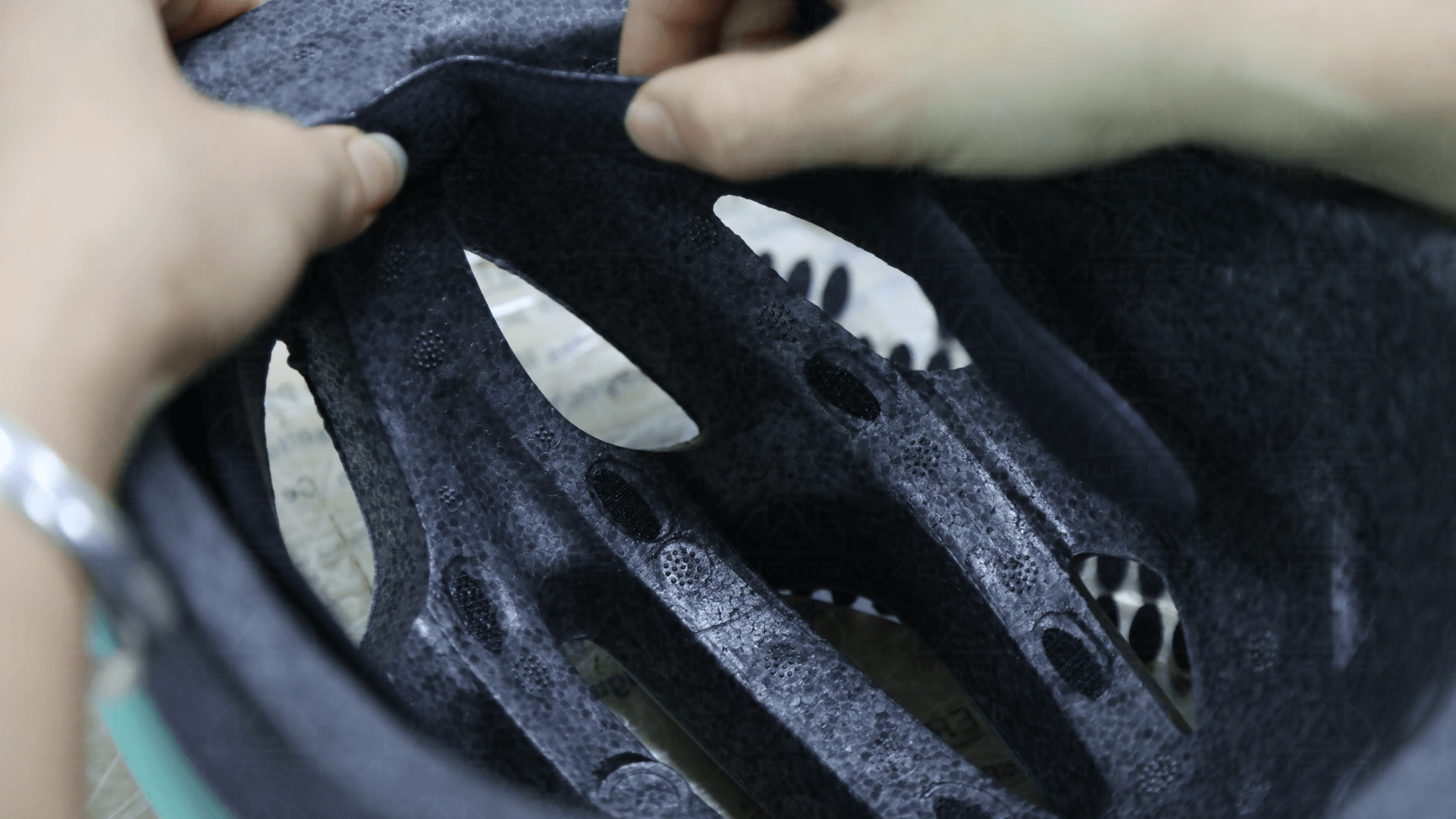
- Impact liner
- Ventilation
- Fit system
- Padding
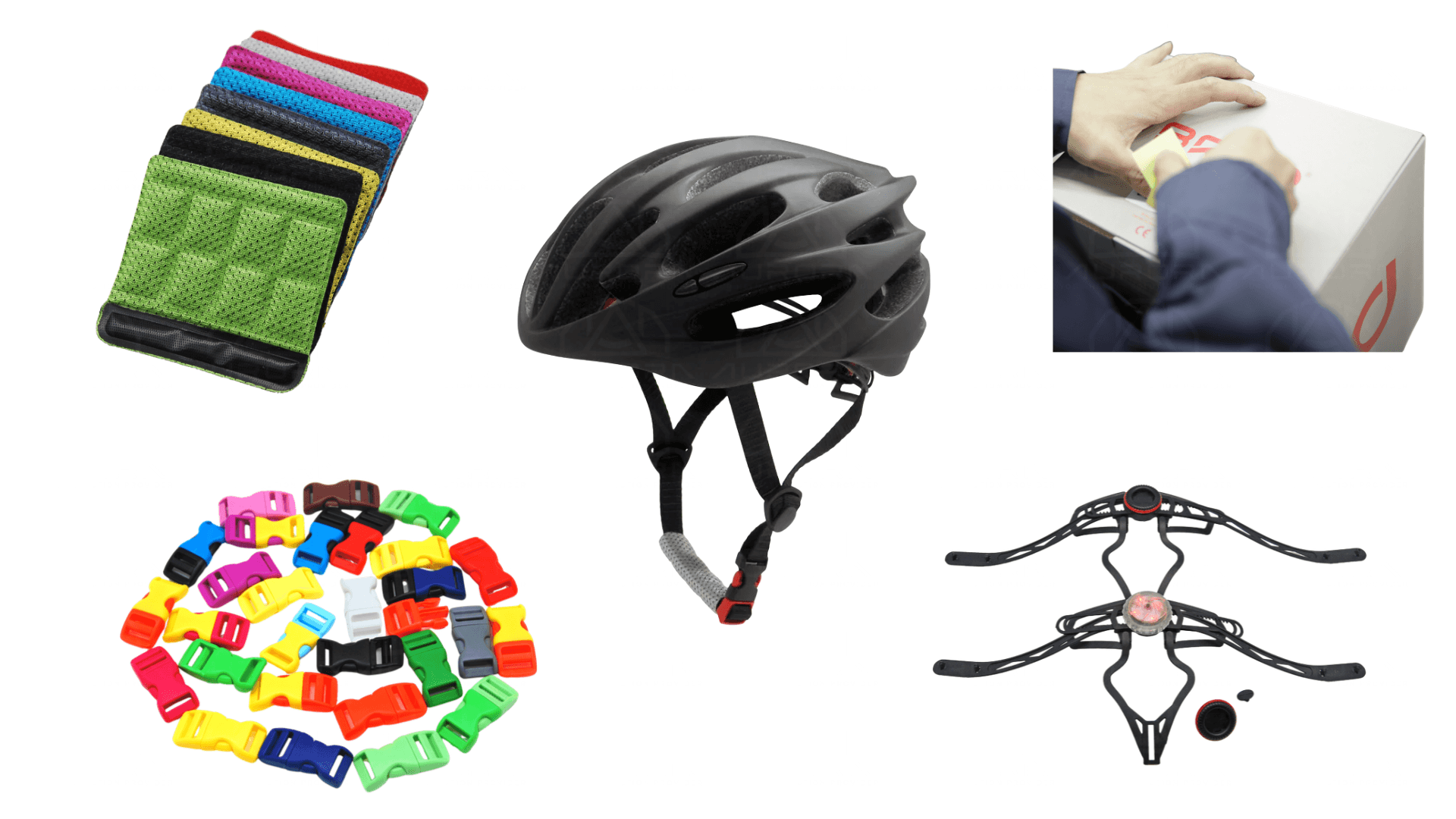
- Straps and buckles
- Accessories
- Colors and finishes
- Graphics
- Packaging
- Certification requirements
Ask the manufacturer:
Which changes are cosmetic, which require engineering and which may require additional testing?
A different color may be straightforward. A new vent, material or structural component may not be.
4. What Is the MOQ—and What Is It Based On?
Do not ask only for the total minimum order quantity.
Ask whether minimums apply separately to:
- Each helmet model
- Each size
- Each shell color
- Each graphic
- Each finish
- Each component configuration
- Custom padding
- Custom packaging
Helmet manufacturing requires materials, components, equipment preparation, labor and production scheduling. A total order may appear large enough while individual color or component quantities remain below their production minimums.
Ask the manufacturer:
What is the MOQ for my exact configuration, and which choices create separate minimums?
MOQ requirements can vary by product, material, color, component and level of customization. Get the answer in writing before finalizing your product range.
5. What Costs Are Separate From the Unit Price?
The quoted price per helmet is only one part of a custom development program.
Depending on the project, additional costs may include:
- Industrial design
- Engineering
- Prototypes
- Initial samples
- Mold development
- Tooling modifications
- Testing
- Certification
- Custom components
- Graphic setup
- Packaging development
- Shipping
Ask the manufacturer:
Which costs are one-time development expenses, and which costs apply to every production order?
You should also confirm whether sample fees, tooling fees, testing costs and shipping are quoted separately.
A clear cost structure makes budgeting far easier than discovering additional expenses halfway through development.
6. How Will Samples Be Developed and Approved?
A sample is not simply a smaller production order.
Different samples may be created for different purposes, including:
- Appearance evaluation
- Fit review
- Component checking
- Color and finish approval
- Assembly evaluation
- Internal testing
- Pre-certification evaluation
- Production approval
Ask what each sample is designed to demonstrate—and what it cannot demonstrate.
Ask the manufacturer:
- How many sample rounds are expected?
- What materials will each sample use?
- Which details require written approval?
- How are requested changes documented?
- What happens if a revised sample is needed?
- Which sample becomes the approved production reference?
A simple approval checklist covering colors, logos, components, accessories and packaging can prevent a surprising number of misunderstandings.
7. Who Is Responsible for Testing and Certification?
“Testing support” and “certified product” do not mean the same thing.
Ask the manufacturer to explain:
- Which standard may apply
- Which laboratory will conduct formal testing
- Who prepares the samples
- Who pays the testing fees
- Who owns the reports or certificates
- Whether changes may require retesting
- Which final product configuration is covered
Internal testing can provide valuable engineering information, but it does not replace independent certification when third-party testing is required.
Ask the manufacturer:
What testing is developmental, and what testing is required for the product to be sold in my target market?
Certification should be planned alongside the product—not added as an afterthought.
8. Who Owns the Design and Tooling?
This question should be answered before proprietary drawings or major tooling payments are exchanged.
Ask about:
- CAD-file ownership
- Mold and tooling ownership
- Tooling storage
- Maintenance responsibilities
- Tooling modification costs
- Exclusivity
- Use of existing open tooling
- Access to tooling if the relationship ends
If the project involves confidential concepts, unreleased products or proprietary specifications, discuss a nondisclosure agreement before sharing sensitive information.
Ask the manufacturer:
Which parts of this project belong to my company, and which are existing manufacturer-owned platforms or technologies?
A clear written agreement is far more useful than an assumption.
9. How Is Quality Controlled During Production?
Quality control should not begin after the helmets are already packed.
Ask how the manufacturer manages:
- Incoming materials
- Molded components
- Dimensions and tolerances
- Colors and finishes
- Logo position
- Fit systems
- Straps and buckles
- Padding
- Assembly
- Accessories
- Final product configuration
- Packaging and labels
The approved helmet sample should become a practical production reference, supported by documented specifications and inspection requirements.
Ask the manufacturer:
How will you make sure mass production matches the product we approved?
You should also ask what happens when an issue is found. Identifying a defect is only the first step; the manufacturer should also be able to investigate its cause and coordinate corrective action.
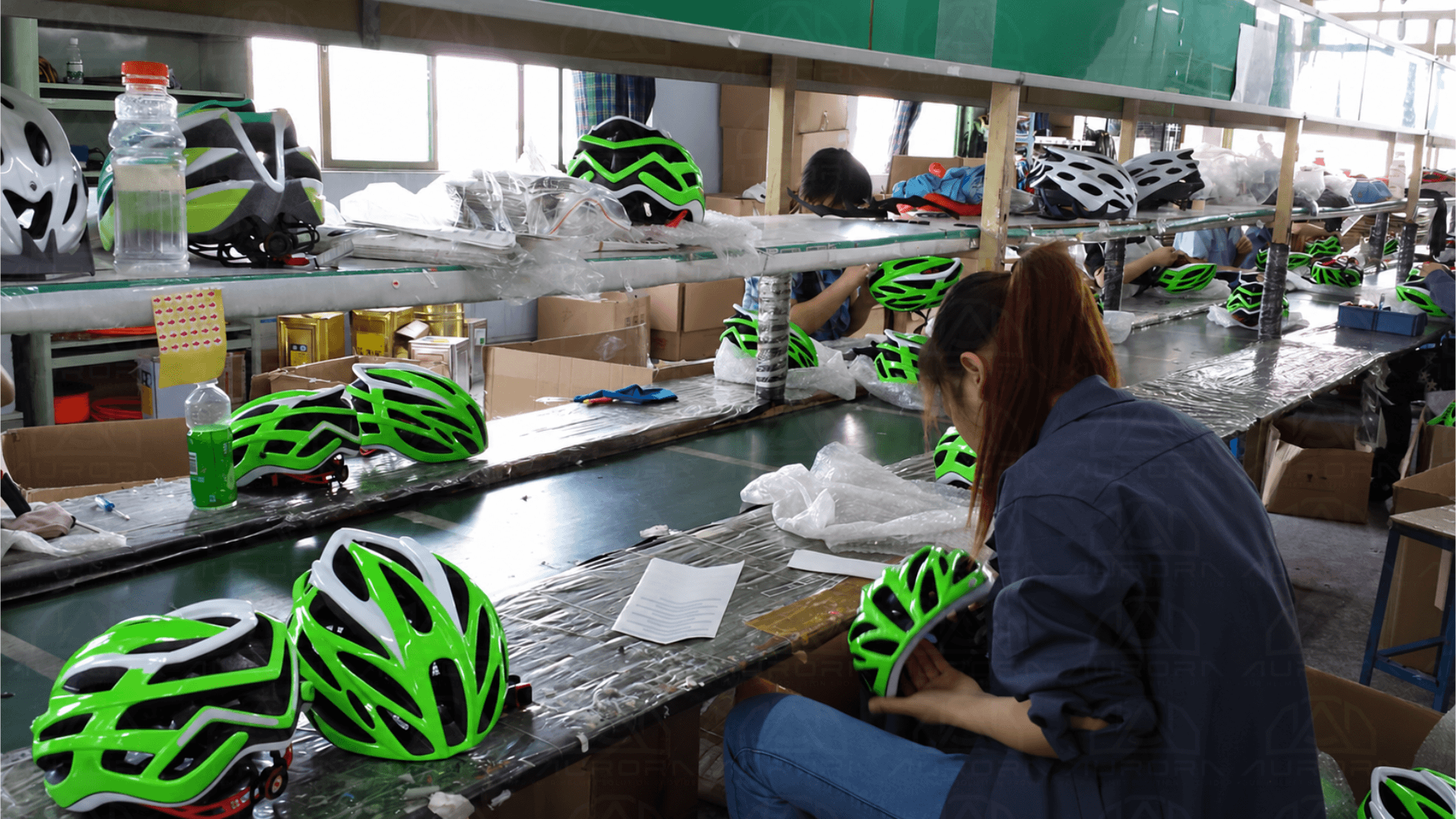
10. Is the Helmet Designed for Repeatable Assembly?
A product that can be assembled successfully once is not necessarily ready for mass production.
Multiple components must fit and function together consistently, including:
Shell + Impact Liner + Fit System + Straps + Buckles + Padding + Visor + Accessories
Ask whether the manufacturer evaluates:
- Assembly sequence
- Component orientation
- Functional clearances
- Installation difficulty
- Required fixtures
- Potential interference
- Quality-control checkpoints
Ask the manufacturer:
Is this helmet able to be assembled reliably at production scale?
This is especially important for modular helmets, accessory systems and products containing numerous molded, textile or mechanical components.
11. What Does the Production Timeline Include?
“Lead time” can refer to very different stages.
A custom helmet schedule may include:
- Project review
- Industrial design
- Engineering
- Prototyping
- Tooling
- Initial samples
- Revisions
- Testing and certification
- Material purchasing
- Production
- Quality control
- Packaging
- Shipment preparation
Ask the manufacturer:
When does the production lead time officially begin, and what approvals or payments are required first?
A realistic schedule should also allow time for sample revisions, testing results and customer approvals.
Fast answers are attractive. Accurate timelines are more valuable.
12. Can Packaging Be Developed With the Helmet?
Packaging affects more than appearance.
It can influence:
- Product protection
- Accessory organization
- Retail presentation
- E-commerce shipping
- Warehouse efficiency
- Labeling
- Barcodes and QR codes
- Manuals and warranty information
- Carton quantities
- Shipping costs
Ask the manufacturer:
Can packaging, labels, manuals and accessories be coordinated with helmet production?
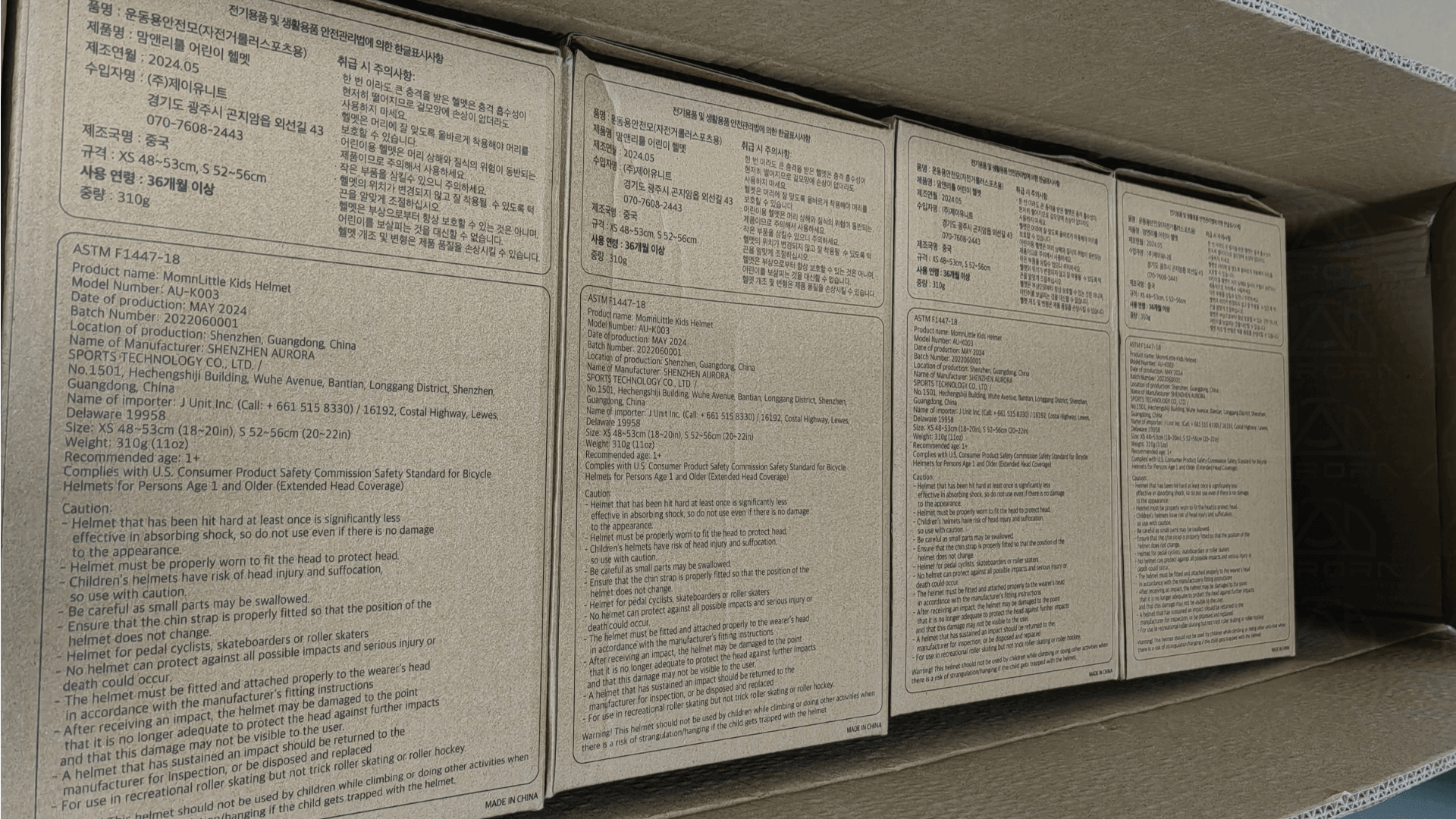
Developing the package around the actual helmet helps reduce problems such as missing accessories, incorrect labels or the right helmet being placed in the wrong box.
Good Manufacturers Welcome Specific Questions
A serious helmet project requires honest conversations about what is possible, what must be tested, what quantities are practical and what the project will cost.
Be cautious if every answer is simply:
“Yes, no problem.”
A strong manufacturing partner should be willing to explain:
- What can be done
- What requires further evaluation
- What may affect certification
- What creates additional cost
- What requires higher quantities
- What could introduce development risk
The goal is not to receive the fastest “yes.” It is to build a clear and realistic path toward a reliable finished product.
Start Your Helmet Project With Aurora Sports
Aurora Sports supports helmet brands through private-label, ODM and OEM programs, bringing product development, engineering, tooling, component manufacturing, testing support, assembly, quality control and packaging into one connected process.
Whether you want to customize an existing helmet platform or develop an original model, starting with the right questions helps everyone work toward the same objective.
A helmet that meets your requirements—and is able to be manufactured consistently at scale.
Contact Aurora Sports to discuss your helmet category, target market, desired features, estimated quantities and development goals.
Contact Us:
📱: +1 (657) 762-7550
📧 : sales@aurorasport.com


