
Initial Helmet Sample Testing Before Mass Production | Aurora Sports
How Initial Sample Testing Reduces Risk Before Helmet Mass Production
Moving a helmet from engineering and tooling into mass production involves much more than producing the first molded parts.
The shell, impact liner, fit system, padding, straps, hardware, accessories, graphics, and assembly process all need to work together as one complete product.
That is why initial sample testing is such an important stage of helmet development at Aurora Sports.
It gives our engineering team and customers an opportunity to evaluate the first physical samples, identify potential issues, and make improvements before production is scaled.
It is better to find a problem in one sample than repeat it across thousands of helmets.
What Is an Initial Helmet Sample?
An initial sample is one of the first physical helmets produced after the design, tooling, materials, and product specifications have been prepared.
Depending on the project stage, it may be used to evaluate:
- Shell and liner geometry
- Overall helmet shape and proportions
- Internal fit and head coverage
- Vent locations and openings
- Shell-to-liner alignment
- Padding shape and placement
- Fit-system operation
- Strap routing and positioning
- Buckles and retention components
- Accessory compatibility
- Color, graphics, and finishes
- Assembly quality and overall workmanship
Compared with an early prototype, an initial sample is generally much closer to the intended production product.
Find Problems Before Production Scales
A small issue in an initial sample can become a much larger problem once production begins.
For example:
- A molded component may not fit correctly
- The shell and liner may not align as intended
- A fit system may have insufficient clearance
- Padding may interfere with another component
- A strap may not follow the correct route
- An accessory may be difficult to install
- A graphic may not align properly with the helmet geometry
- A finish may not match the approved appearance
- An assembly step may be difficult to repeat consistently
Initial sample testing gives the team a chance to identify and address these issues earlier.
Initial Sample → Inspect → Test → Identify Issues → Correct → Verify
Confirming the Product Specification
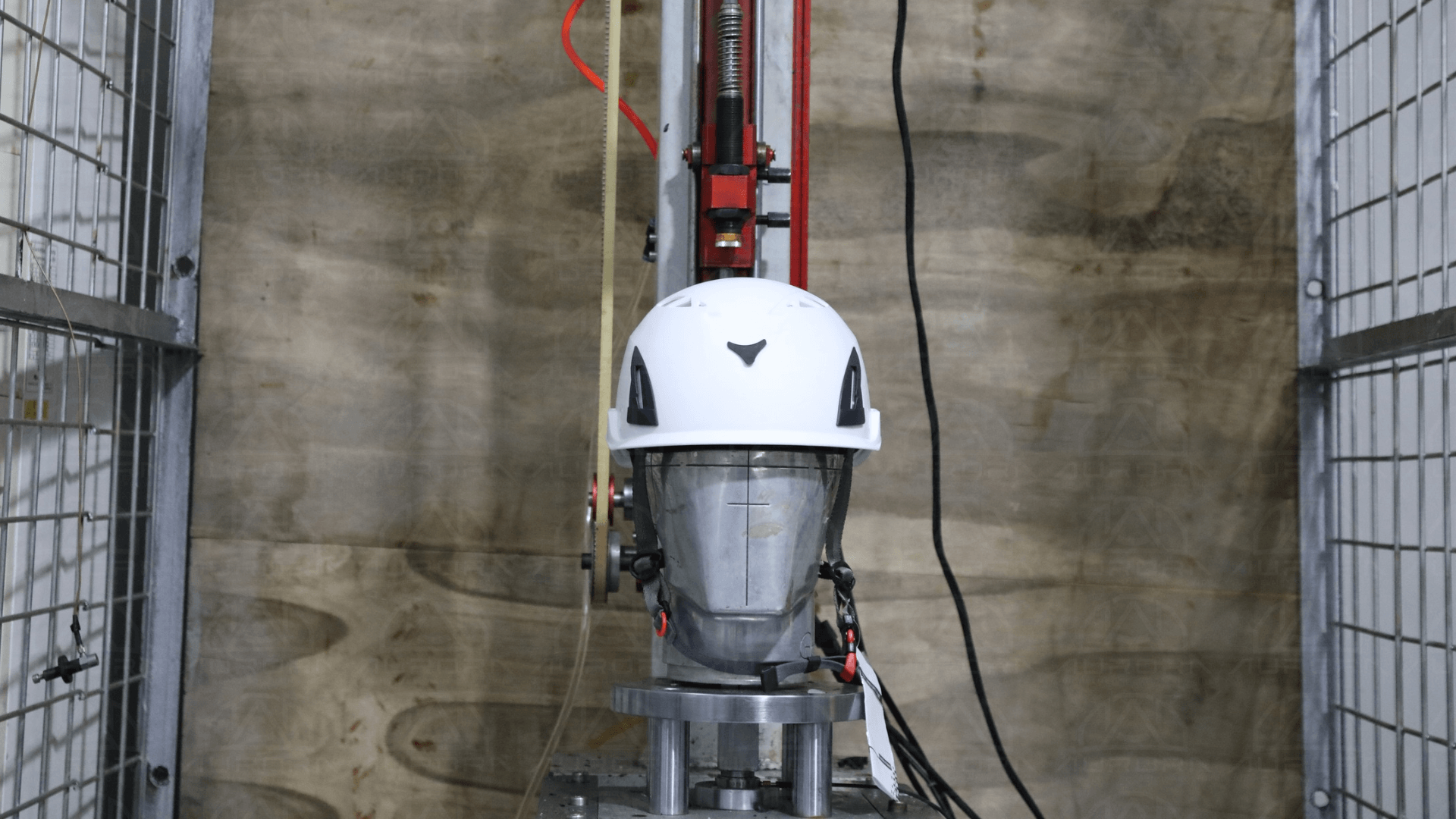
Initial sample review also helps confirm whether the physical helmet matches the approved drawings, specifications, and customer requirements.
Depending on the project, Aurora Sports may evaluate:
- Critical dimensions
- Material specifications
- Component positioning
- Shell and liner fit
- Padding construction
- Adjustment-system operation
- Strap and buckle assembly
- Accessory interfaces
- Product weight
- Color and graphic placement
- Surface quality
- Packaging requirements
If a difference is found, the team can investigate whether it comes from tooling, materials, molding conditions, component tolerances, finishing, or assembly.
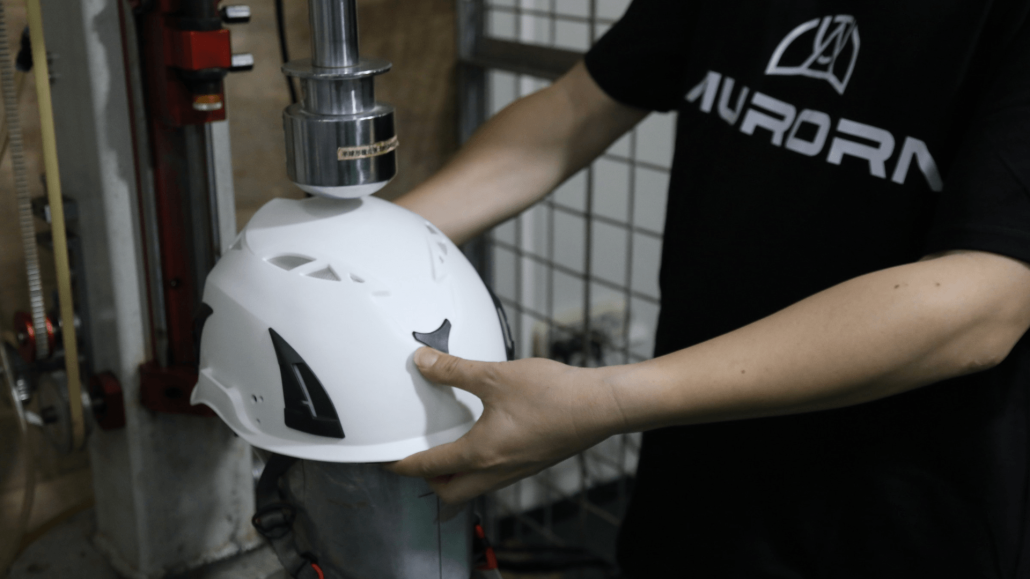
Supporting Preliminary Performance Evaluation
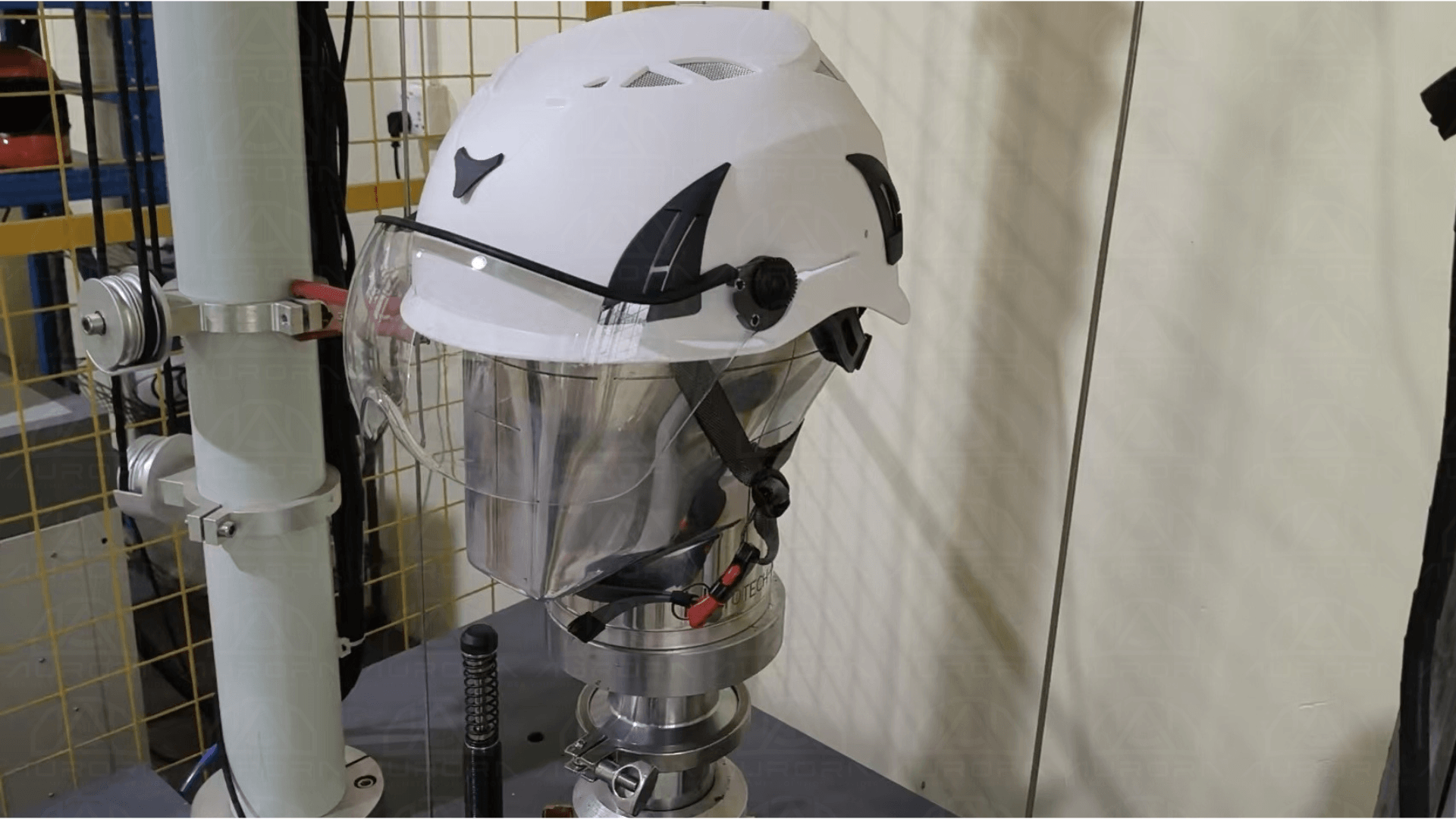
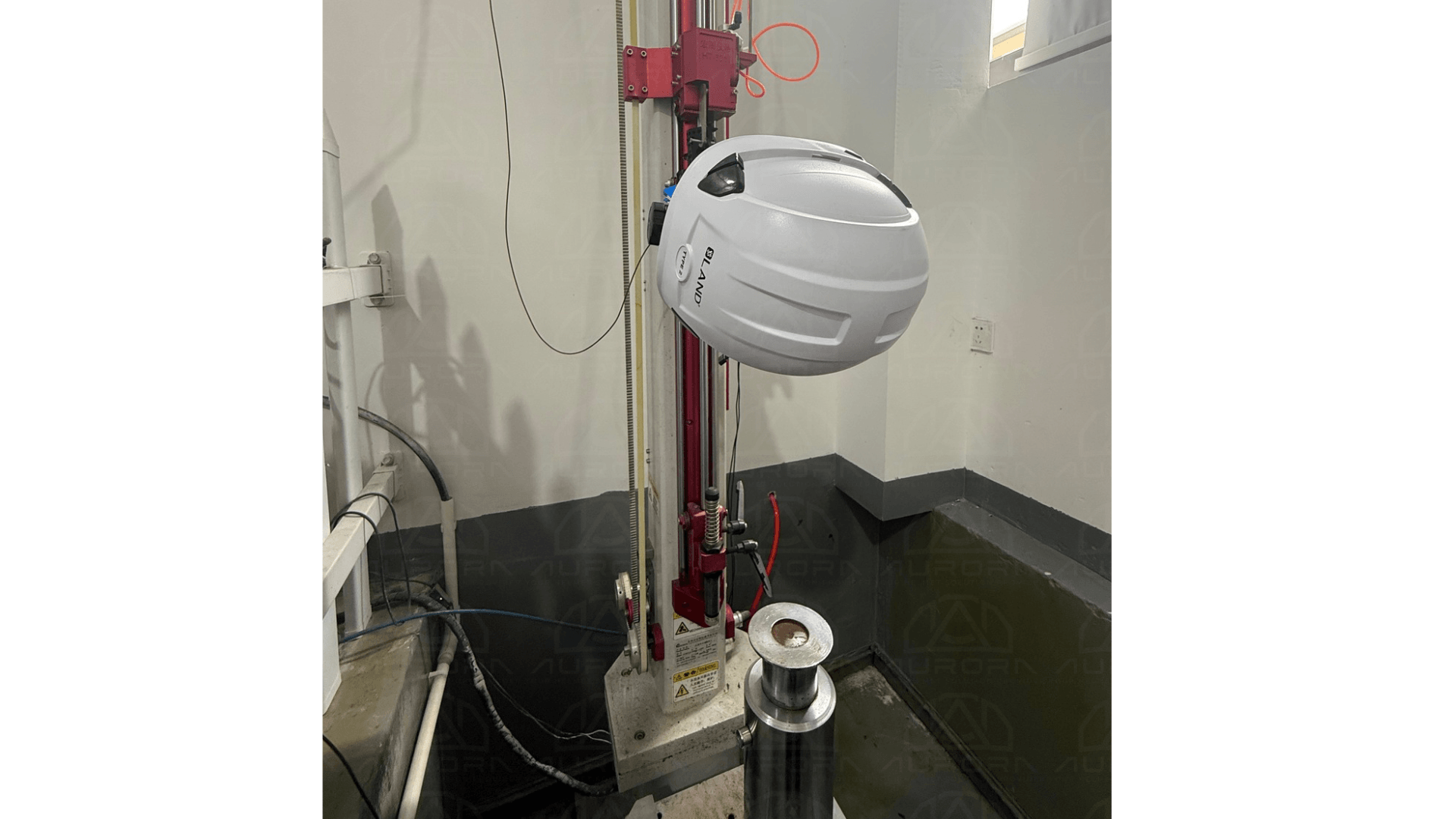
When the sample construction and materials are appropriate, initial samples may also be used for internal development testing or pre-certification evaluation.
Testing may help engineers study areas such as:
- Impact-management behavior
- Retention-system operation
- Shell and liner performance
- Fit-system function
- Component stability
- Construction consistency
- Areas requiring further engineering review
This information can help guide design, tooling, or process adjustments before formal certification samples are prepared.
The important point is that helmet performance depends on the complete system, not on one component alone.
Improving Tooling and Manufacturing
Creating the mold does not mean development is finished.
The first molded samples may reveal a need for:
- Tooling adjustment
- Dimensional correction
- Molding-process optimization
- Material changes
- Component modification
- Assembly improvement
- Finishing refinement
At Aurora Sports, design-for-manufacturing review continues through tooling trials, initial samples, testing, and pilot production.
Evaluating Assembly Before Mass Production
A helmet that can be assembled successfully once is not automatically ready for efficient mass production.
Initial sample assembly can help evaluate:
- Component fit
- Assembly sequence
- Installation difficulty
- Component orientation
- Potential interference
- Required tools or fixtures
- Functional operation
- Cosmetic appearance
- Quality-control checkpoints
- Production repeatability
If a problem appears, it can be returned to engineering, tooling, or component manufacturing for correction before larger quantities are produced.
From Initial Sample to Production-Intent Sample
Initial samples may require more than one round of evaluation.
A typical development process may look like this:
Initial Sample → Evaluation → Correction → Updated Sample → Verification → Production-Intent Sample → Pilot Production → Mass Production
As the project progresses, the production-intent sample should increasingly reflect the intended materials, components, processes, and assembly method.
Customer approval of the final appearance and configuration should be documented before full production begins.
Initial Sample Testing Is Not Final Certification
Initial sample testing and formal helmet certification serve different purposes.
Internal testing and pre-certification evaluation can help identify potential concerns, but they do not replace required independent certification.
Some initial samples may not yet use the final production materials, components, or manufacturing conditions.
For formal certification and final validation, the tested helmet must accurately represent the intended production configuration.
So an initial test result should be treated as development information—not an automatic guarantee of final certification or mass-production performance.
Initial Sample Development at Aurora Sports
Aurora Sports connects engineering, tooling, sample development, testing support, and manufacturing in one coordinated process:
Concept → Industrial Design → CAD Engineering → Tooling → Initial Sample → Testing & Evaluation → Corrections → Production-Intent Sample → Certification Support → Pilot Production → Mass Production
Because these functions work together, findings from sample testing can be communicated directly to engineering, tooling, component manufacturing, and assembly teams.
Our goal is not simply to make one good sample.
Our goal is to develop a helmet—and a manufacturing process—that can be repeated consistently at production scale.
Test Early. Learn Faster. Reduce Production Risk.
Initial sample testing gives helmet brands an opportunity to evaluate the physical product before committing to large-scale manufacturing.
By identifying dimensional, functional, cosmetic, component, and assembly issues earlier, Aurora Sports can help customers refine their helmet before certification preparation, pilot production, and mass manufacturing.
Planning a new helmet project? Contact Aurora Sports to discuss initial sample development, testing support, and ODM/OEM helmet manufacturing.
Contact Us:
📱: +1 (657) 762-7550


