What Is Mold Spotting? Precision Helmet Tooling Explained
Modern mold manufacturing relies heavily on CAD engineering and CNC machining, but machining alone does not guarantee that a mold is ready for production.
The mold halves, parting surfaces, shutoffs, inserts, slides, and other moving components still need to fit together correctly. This fitting and verification process is called mold spotting.
What Is Mold Spotting?
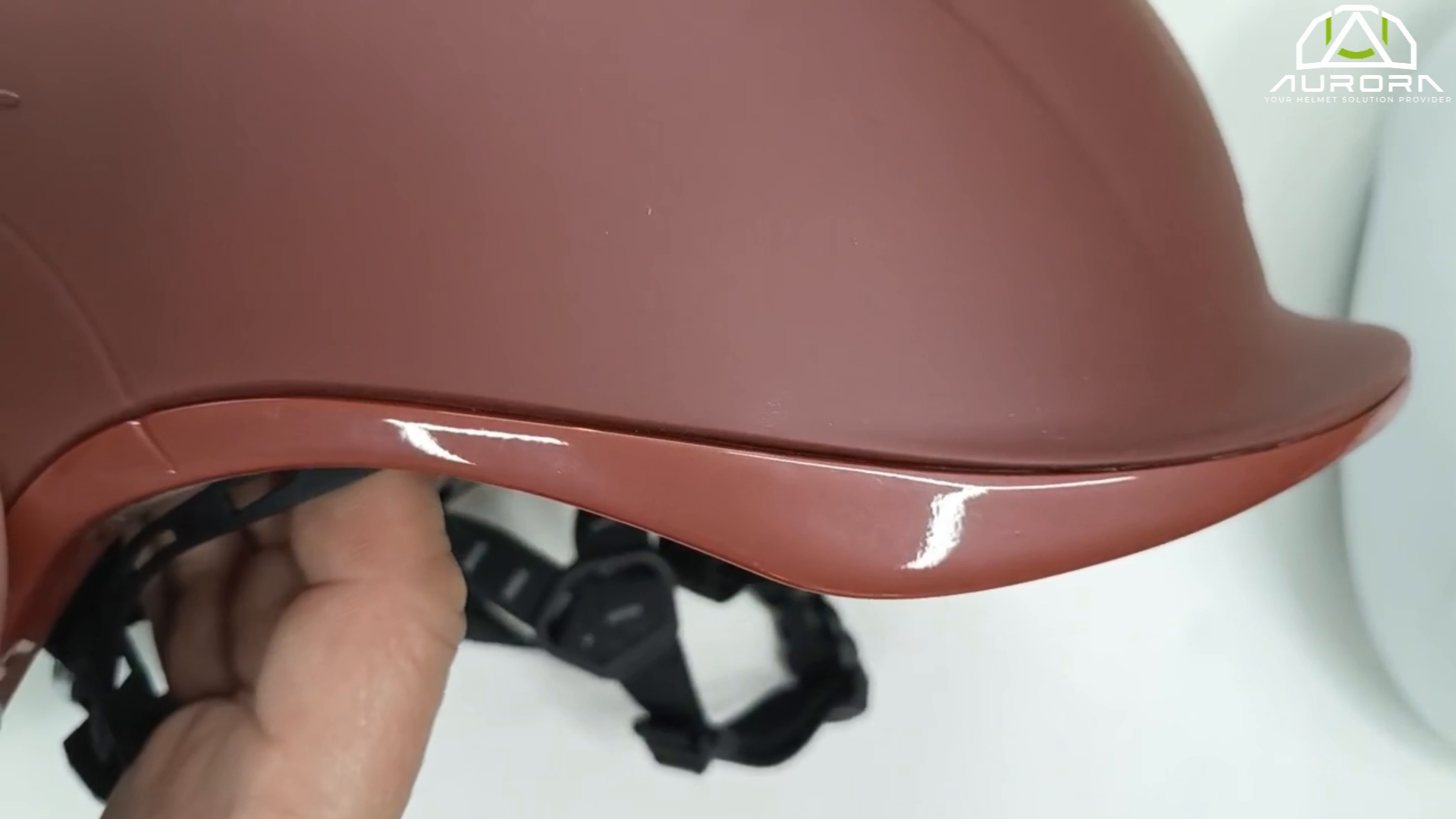
Mold spotting checks how accurately two mold surfaces contact each other when the mold closes.
A thin layer of spotting compound, often called spotting blue, is applied to selected contact areas. The mold is then closed under controlled pressure and reopened. The transferred pattern shows the toolmaker where surfaces are contacting correctly and where adjustment may be needed.
Spotting can reveal:
-
High or incomplete contact
-
Uneven parting surfaces
-
Shutoff issues
-
Alignment problems
-
Areas that may cause premature wear
The toolmaker then carefully adjusts the relevant areas and repeats the process until the intended contact and alignment are achieved.
Why Does Mold Spotting Matter?
Even small differences between mating mold surfaces can create production problems.
Poor fitting may contribute to:
-
Flash
-
Poor sealing
-
Parting-line mismatch
-
Misaligned components
-
Dimensional inconsistency
-
Premature tool wear
-
Difficult mold operation
-
Higher defect and scrap rates
Spotting helps identify these issues before the mold enters regular production.
How Is Mold Spotting Done?
A typical process includes:
-
Clean the mold surfaces
-
Apply spotting compound
-
Close the mold under controlled pressure
-
Inspect the transferred contact pattern
-
Correct high or uneven areas
-
Repeat until the intended fit is achieved
This work requires experience. Removing too much material can create new gaps, so adjustments must be gradual and controlled.
Why It Matters for Helmet Tooling
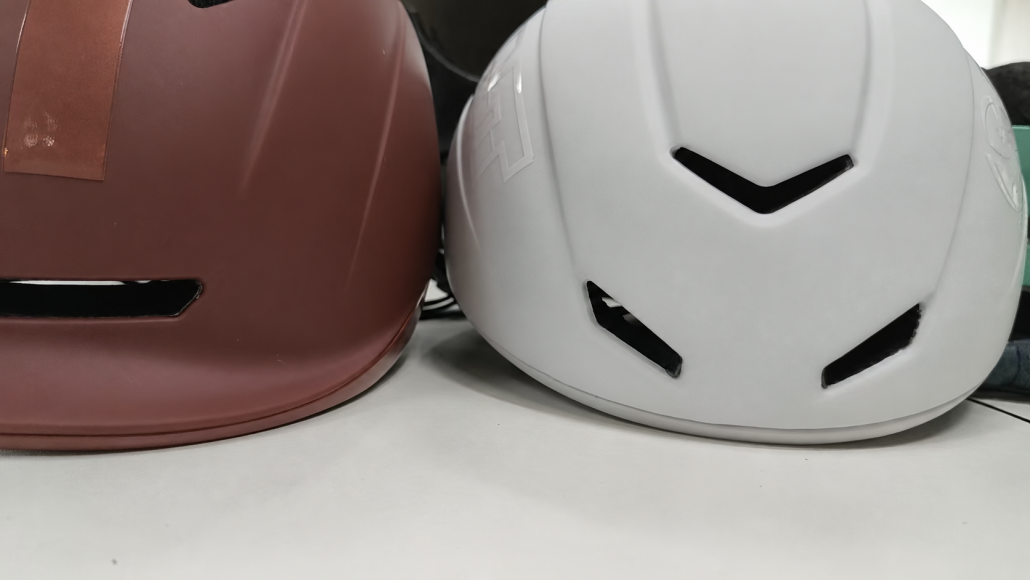
Helmet production can involve tooling for shells, liners, fit systems, visors, buckles, adjustment parts, and accessories.
Small tooling variations can affect:
-
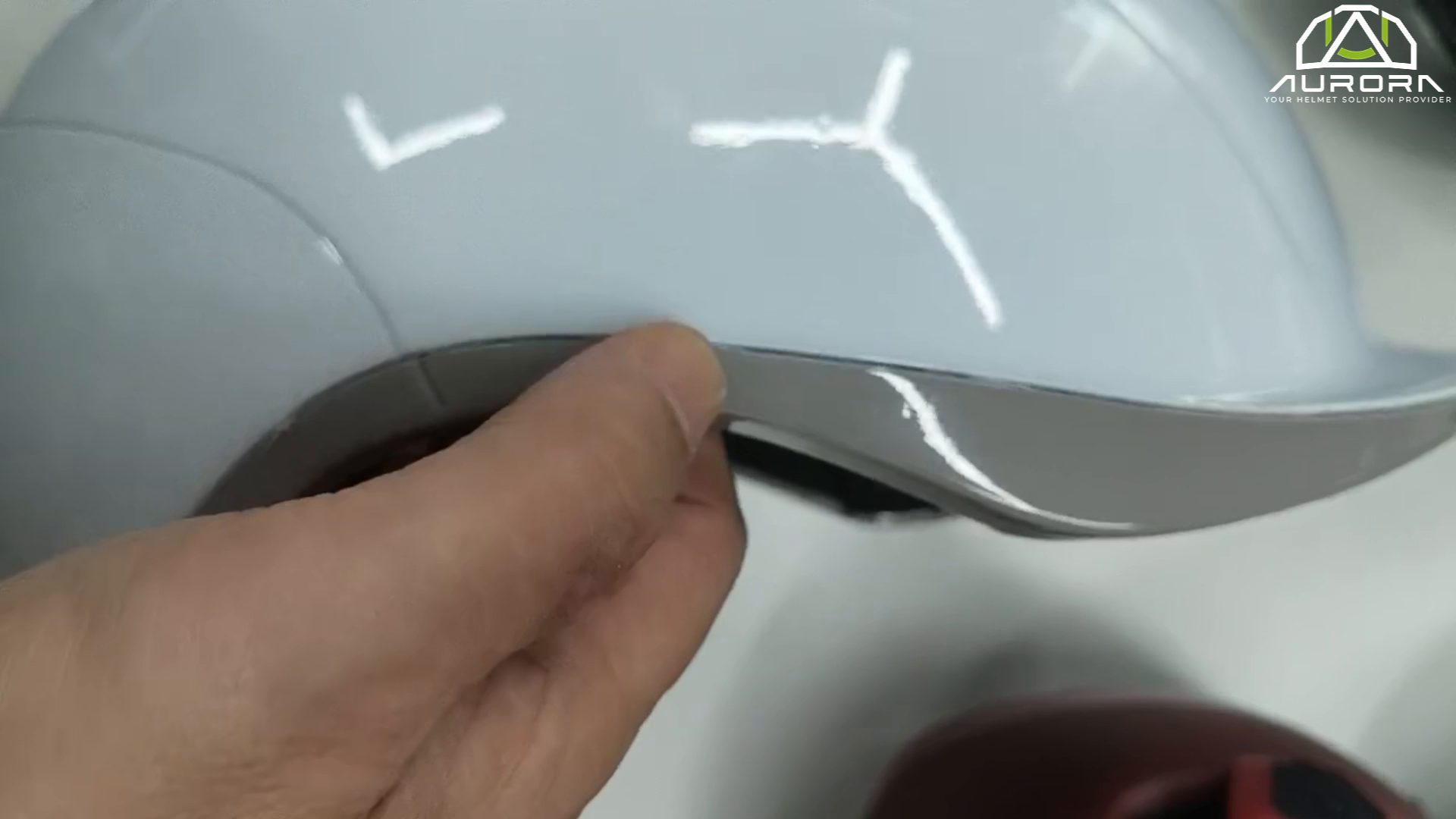
Shell edges and parting lines
-
Vent definition
-
Component dimensions
-
Snap-fit engagement
-
Visor alignment
-
Fit-system movement
-
Final assembly
A small dimensional issue in one molded component can later become an assembly problem elsewhere in the helmet.
Precision Tooling and Cost
This is also one reason mold quotations can vary significantly between factories.
If a mold is not engineered, machined, fitted, and validated properly, the result can be:
-
Repeated mold corrections
-
High defect rates
-
Scrap
-
Assembly problems
-
Production downtime
-
Premature tool wear
Some factories build these risks into a higher tooling quotation. Others may over-engineer molds with unnecessarily tight tolerances, increasing cost without improving the finished product.
The goal is therefore not maximum precision everywhere.
The goal is knowing where precision is critical and where cost can be controlled safely.
At Aurora Sports, we balance this through:
-
DFM before tooling
-
Appropriate tolerance selection
-
Material and mold-flow considerations
-
CNC machining
-
Controlled mold spotting
-
Tool fitting
-
Mold trials
-
Dimensional inspection
-
Correction based on actual molded parts
-
Production validation and quality control
This helps avoid two expensive extremes:
A low-cost mold that creates too many defects
and
An unnecessarily expensive mold that is over-engineered beyond what the product requires.
Mold Spotting vs. Mold Trials
Mold spotting and mold trials serve different purposes.
Mold spotting checks the mechanical contact and alignment of the tooling.
A mold trial evaluates how the mold performs under actual production conditions, including material flow, cooling, shrinkage, warpage, ejection, appearance, and final dimensions.
Both are important because a mold that fits correctly may still require adjustment once actual material and processing conditions are introduced.
Precision Tooling at Aurora Sports
At Aurora Sports, tooling is connected to the full product-development process:
DFM Review → Mold Engineering → CAD/CAM → CNC Machining → Tool Assembly & Fitting → Mold Spotting → Mold Trial → Measurement → Correction → Production Validation → Mass Production
Our goal is not simply to create a mold that produces one acceptable sample.
We work toward tooling that can produce customer-approved parts consistently throughout mass production.
That means balancing:
Precision + Quality + Tooling Cost + Production Stability
A lower-priced mold is not always the lower-cost solution if it creates rework, scrap, downtime, or inconsistent parts. At the same time, extremely tight tolerances are not valuable if they do not improve the finished product.
Better Helmets Start With Better Tooling
Mold spotting may happen behind the scenes, but it can affect every part produced from the tool.
At Aurora Sports, good tooling engineering means understanding where precision matters most, controlling those areas carefully, and avoiding unnecessary complexity where it adds cost without adding value.
The goal is not simply the tightest possible mold.
The goal is the right level of precision for stable, repeatable, cost-effective mass production.
Planning a new helmet or helmet-component project?
Contact Aurora Sports to discuss engineering, prototyping, tooling, and OEM/ODM helmet manufacturing.
Contact Us:
📱 +1 (657) 762-7550


