Why In-House Tooling Matters in Helmet Manufacturing
For helmet brands and design studios, the biggest tooling challenge is usually not making the mold itself.
The real challenge is keeping the original design intent intact while moving from concept to engineering, tooling, testing, and finally mass production.
When those steps are handled by different suppliers, common problems can appear quickly:
-
The design looks good in CAD but is difficult to manufacture
-
Tooling suppliers do not fully understand helmet performance requirements
-
Mold changes require long back-and-forth communication
-
A component fits in isolation but does not integrate correctly with the full helmet
-
Testing reveals issues after too much tooling work has already been completed
-
The approved prototype becomes difficult to reproduce consistently in production
For a branded client, every delay adds cost. For a design studio, every unnecessary compromise risks changing the product they originally created.
That is why in-house tooling can make such a difference.
From Design Intent to Production Reality
A helmet may begin as a sketch, rendering, or 3D model, but before tooling starts, the design still needs to be evaluated for manufacturing.
Engineers may need to review:
-
Wall thickness and draft angles
-
Parting lines and undercuts
-
Material shrinkage
-
Vent openings
-
Component interfaces
-
Assembly tolerances
-
Fit and retention systems
-
Testing requirements
When helmet engineering and tooling teams work together, these issues can be identified earlier.
The goal is not to redesign the product unnecessarily. It is to preserve the designer’s intent while making sure the product can actually be molded, assembled, tested, and produced repeatedly.
Faster Problem Solving During Tool Development
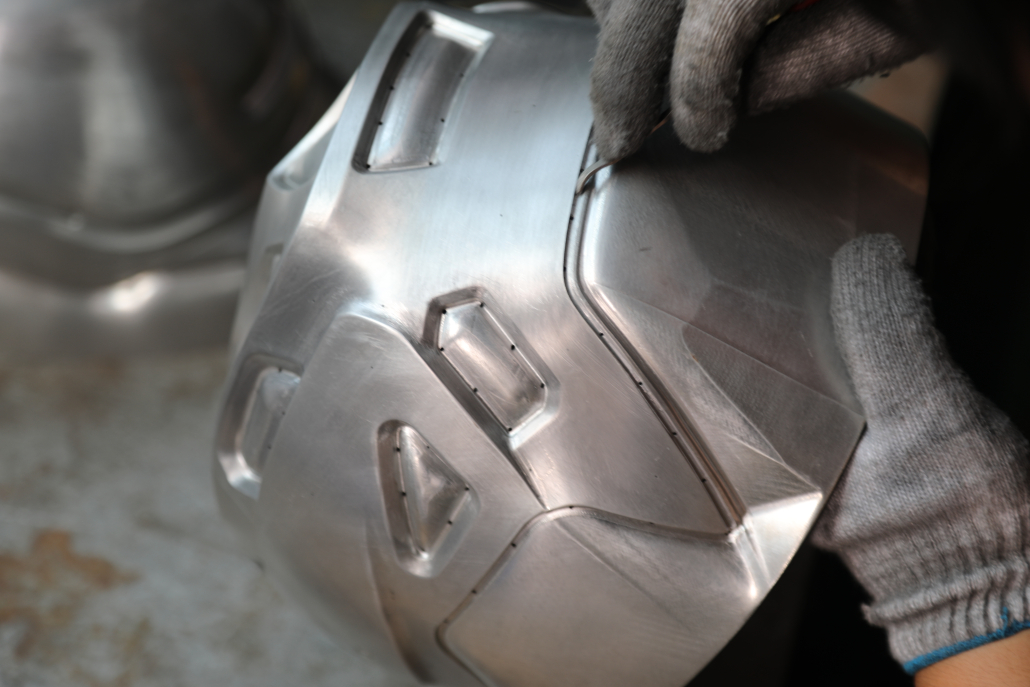
Helmet tooling rarely goes from CNC machining directly into mass production.
Mold trials may reveal shrinkage, warpage, fit problems, surface issues, or dimensional variation. A visor may not align correctly. A liner may not seat properly inside the shell. A snap-fit feature may require adjustment.
When the tooling team is separate from the helmet manufacturer, every correction may involve another round of communication, shipping, interpretation, and approval.
With in-house tooling, engineering, mold technicians, assembly teams, and production staff can review the same problem together.
That makes it easier to identify whether the real issue comes from:
Design + Material + Tooling + Molding Conditions + Assembly
rather than automatically blaming the mold.
Protecting the Complete Helmet System
A helmet is not one molded part.
The shell, impact liner, fit system, chin strap, visor, padding, accessories, and internal structures all need to work together.
A small tooling variation in one component can affect another part later in assembly.
For branded clients, this is especially important because a helmet may need to maintain not only appearance, but also fit, function, safety performance, and consistent brand quality across production.
In-house tooling allows the mold-development team to evaluate components as part of the complete helmet system, not simply as separate plastic parts.
Testing Feedback Can Move Back Into Tooling
Another common pain point is discovering a problem during testing after the tooling is already considered “finished.”
Helmet development often requires refinement.
Testing may show that a liner, shell feature, reinforcement area, retention component, or interface needs adjustment.
When tooling, engineering, testing support, and production are closely connected, that feedback can move back into the product more efficiently.
This can reduce unnecessary tooling rework and help prepare the helmet more effectively before formal certification and mass production.
In-House Tooling at Aurora Sports
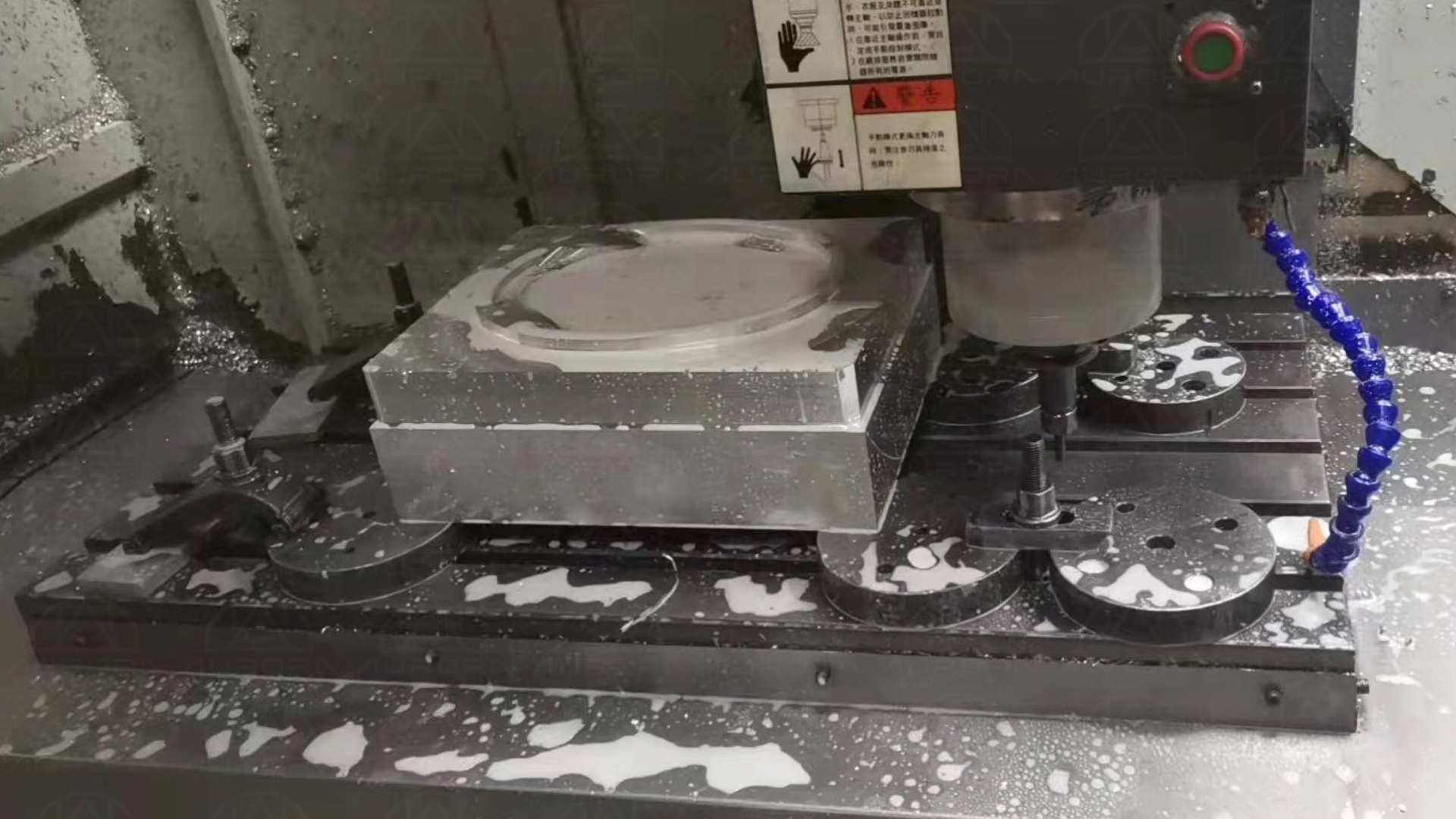
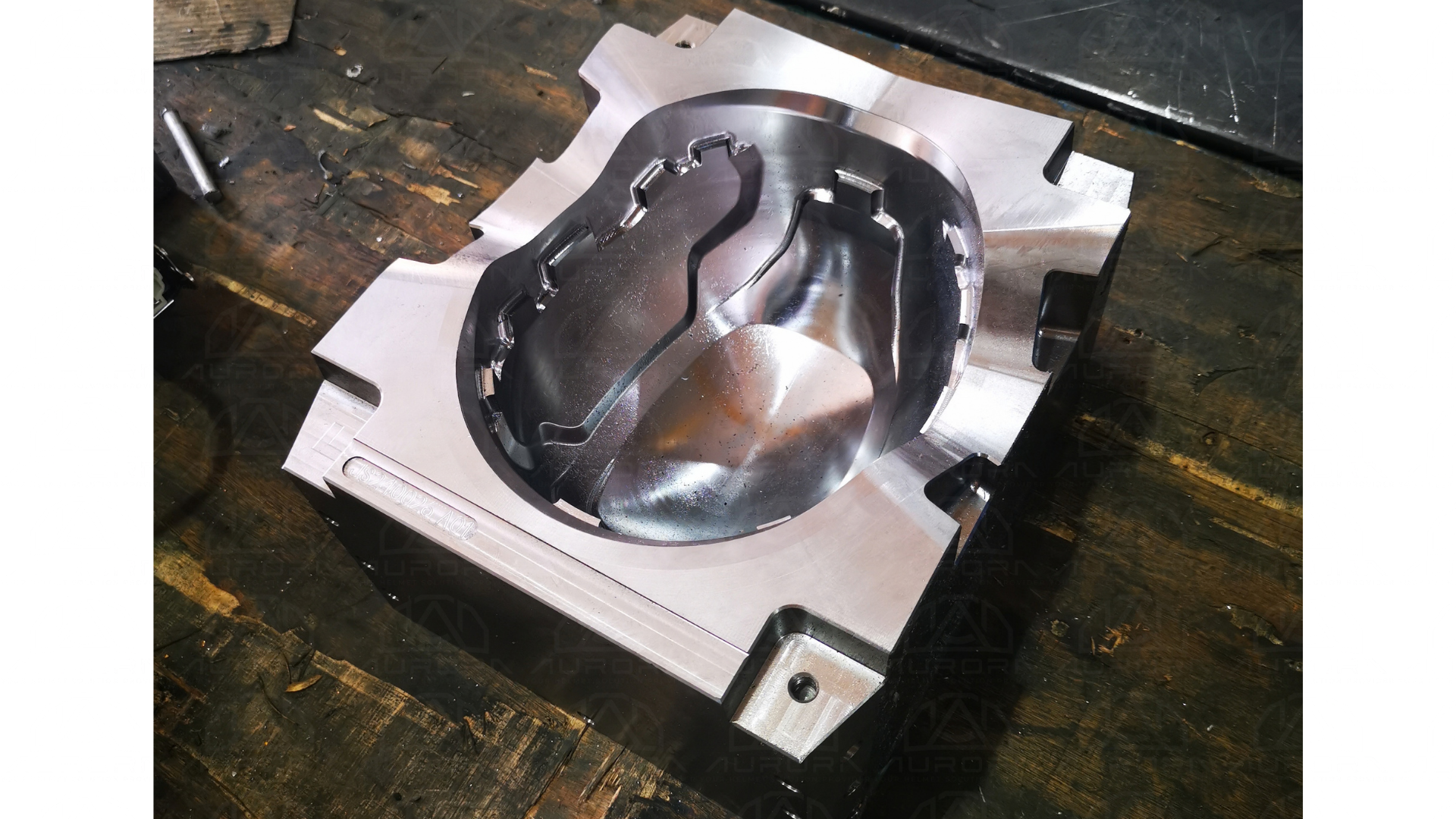
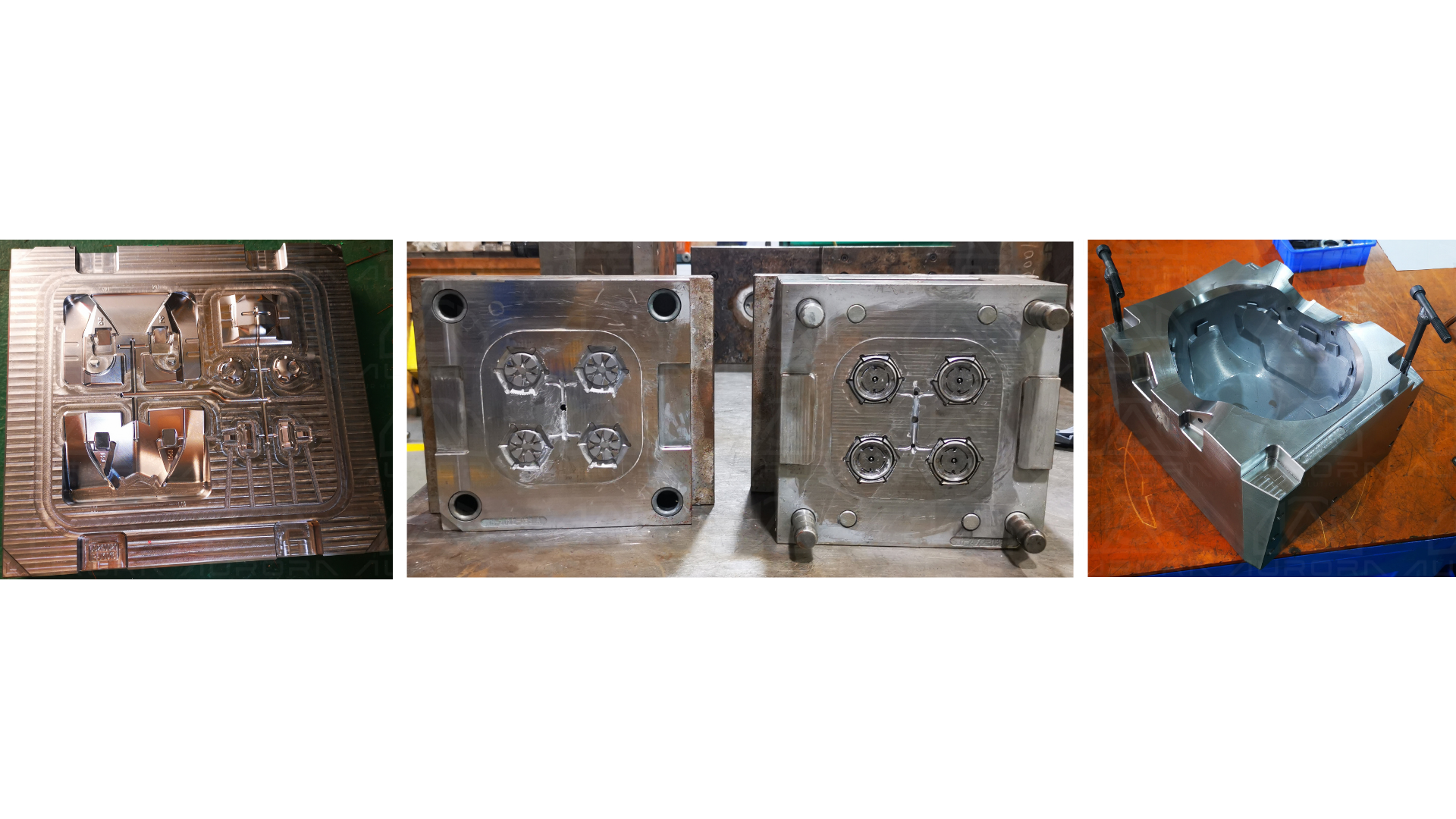
At Aurora Sports, helmet development, engineering, tooling, mold trials, testing support, manufacturing, and quality control are connected within one development process.
A typical workflow may include:
DFM Review → Mold Engineering → CAD/CAM → CNC Machining → Tool Assembly → Mold Trial → Measurement → Correction → Production Approval
For design studios and helmet brands, the advantage is simpler communication and better continuity from the original concept to the production-ready product.
The objective is not simply to create a mold that produces one good sample.
It is to create tooling that can reproduce the approved design consistently, efficiently, and at production scale.
Better Tooling Means Fewer Surprises
For custom helmet projects, tooling is one of the largest investments.
The earlier engineering, tooling, testing, and manufacturing are connected, the easier it is to protect the design, reduce unnecessary revisions, and avoid expensive surprises later.
At Aurora Sports, in-house tooling helps us bridge the gap between what the designer created and what the factory must reproduce.
Have a custom helmet or component project? Contact Aurora Sports to discuss product engineering, prototyping, tooling, and OEM/ODM helmet manufacturing.
Contact Us:
📱 +1 (657) 762-7550


