ABS Helmet Shell Painting and Decoration: A Complete Guide
The appearance of a helmet involves more than selecting a color. Surface preparation, coating compatibility, graphic application, curing and final inspection all influence how the finished shell looks and how consistently it can be reproduced in production.
ABS, or acrylonitrile butadiene styrene, is widely used for injection-molded helmet shells. Depending on the design and tooling, an ABS shell can be produced in a molded-in color or decorated after molding with compatible paint, logos, decals and hydro-dipped patterns.
For helmet brands, distributors and OEM buyers, understanding these options makes it easier to balance appearance, production quantity, lead time and cost.
ABS shell decoration generally falls into three categories:
-
Molded-in colors and textures
-
Painted surface finishes
-
Logos, decals and hydrographic patterns
The appropriate solution depends on the ABS grade, helmet design, mold construction, artwork, order quantity and desired appearance.
Molded-In Colors and Textures
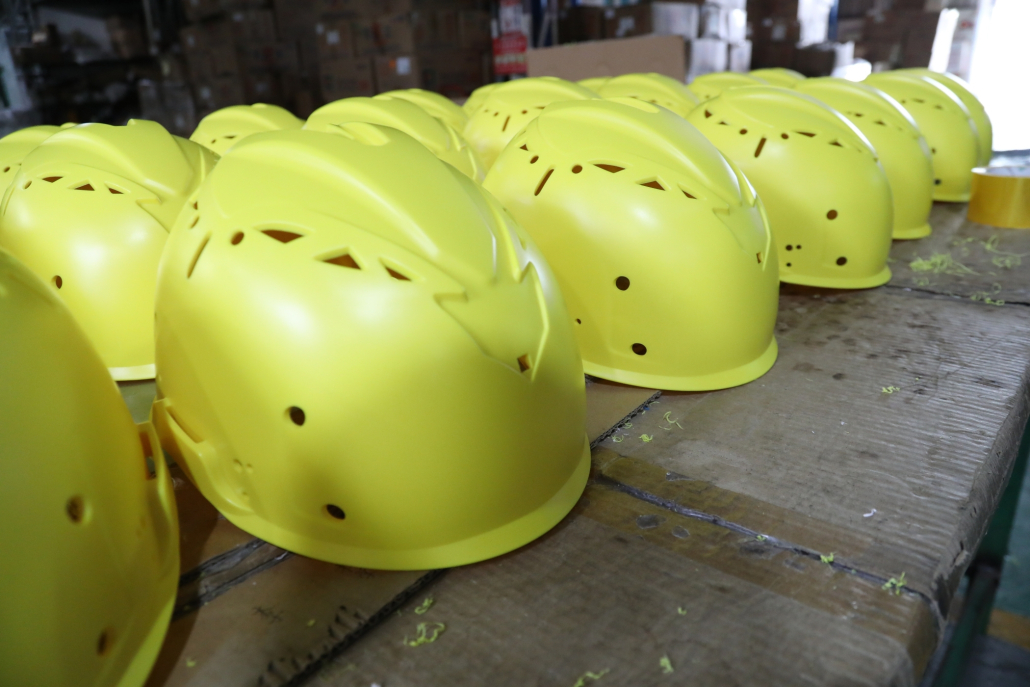
Not every ABS helmet shell needs to be painted. Pigment can be blended with the ABS resin before injection molding, creating a solid base color throughout the shell material.
The tooling can also give the molded shell a smooth or textured surface. Because this texture comes from the mold itself, changing it may require tooling modification or new tooling.
Advantages of Molded-In Color
-
Color is incorporated into the shell material
-
Surface scratches are less likely to reveal a contrasting painted layer
-
Fewer secondary finishing steps may be required
-
Suitable for consistent, higher-volume production
-
Practical for standard solid-color helmet programs
Molded-in color is often an efficient choice for industrial safety helmets and other products requiring consistent solid colors. When a project needs a more polished or specialized appearance, compatible paint and decoration can be applied after molding.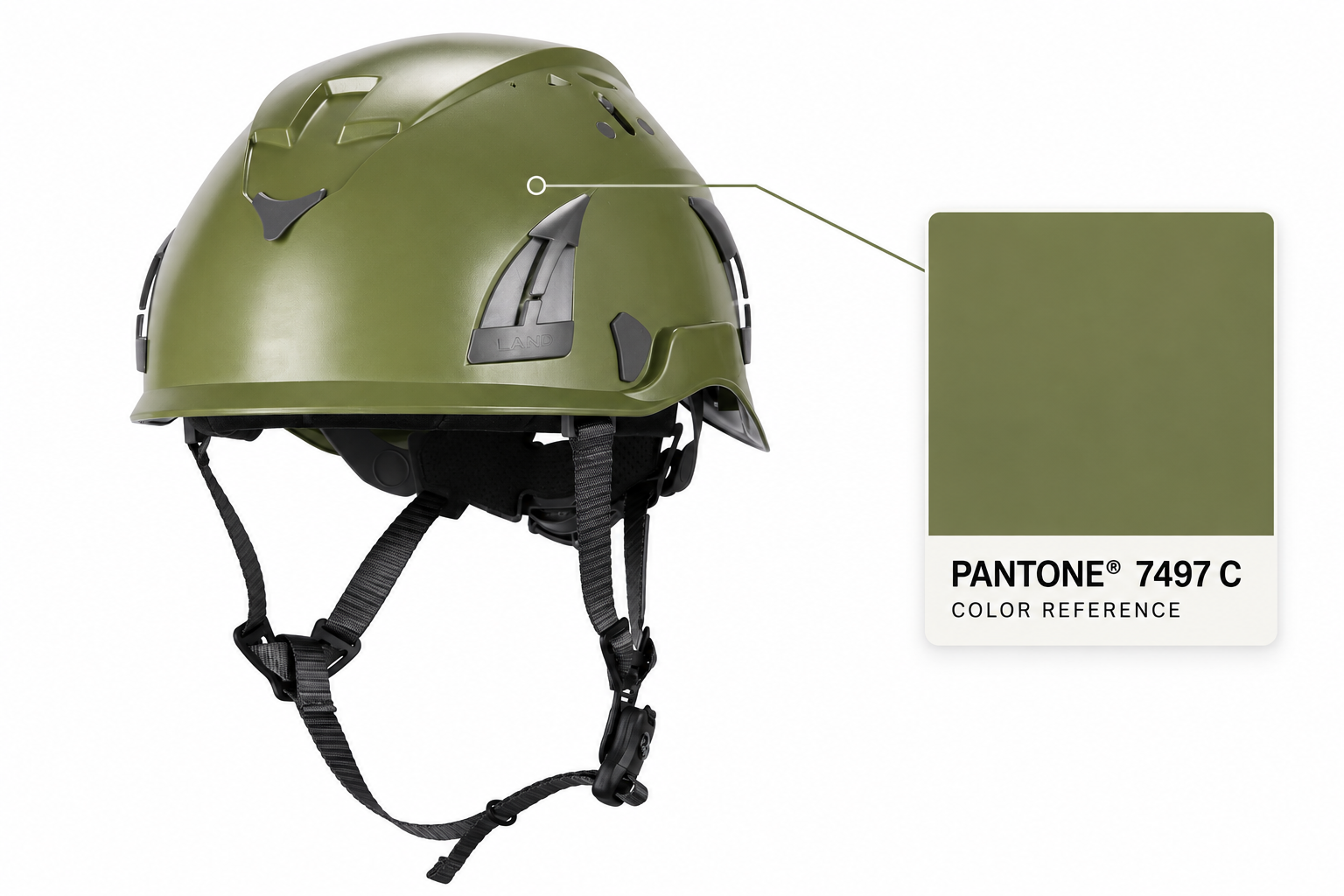
ABS Helmet Shell Finishing Options
1. Gloss Finish
A gloss finish creates a smooth, reflective appearance that can make colors look bright and polished. It also provides strong visual contrast for logos and decorative graphics.
Gloss surfaces can make fingerprints, dust, scuffs and scratches more noticeable, especially on dark colors. The final appearance and cleaning requirements depend on the specific coating system.
2. Matte Finish
A matte finish reduces surface reflection and creates a more understated, technical appearance. It is commonly selected for outdoor, equestrian, industrial and sports helmet designs.
Matte surfaces should be cleaned according to the care instructions for the approved coating because aggressive polishing can create uneven or shiny areas.
3. Satin Finish
Satin provides a subtle sheen between gloss and matte. It gives the shell more visual depth than a fully matte surface without producing the strong reflections of a high-gloss finish.
4. Metallic Finish
For compatible projects, metallic coatings can add fine reflective particles to the painted surface. The final effect depends on the paint formulation, application method and approved topcoat, so metallic options should be sampled and confirmed before production.
Logo and Graphic Decoration Methods
After molding and any required painting, logos, product markings and decorative graphics can be added. The appropriate method depends on the shell geometry, artwork, coverage area, number of colors and production quantity.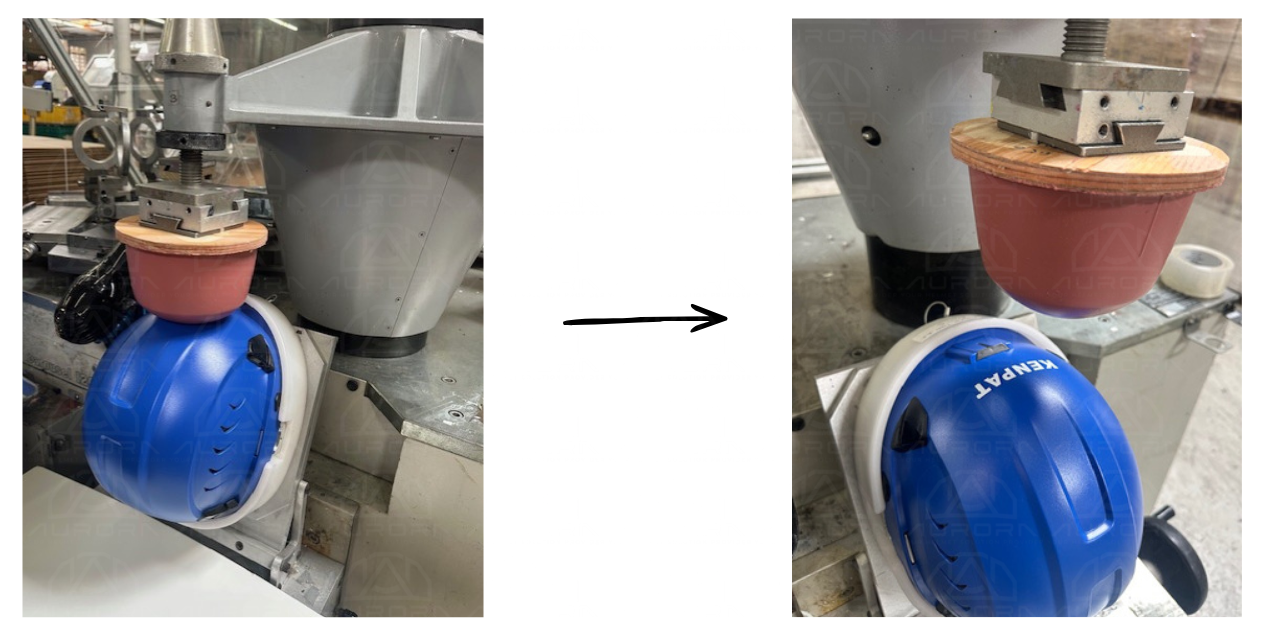
Screen Printing
Screen printing applies relatively simple artwork to selected areas of an ABS shell. Ink passes through a prepared mesh screen onto the surface, with separate screens generally required for different colors.
It is well suited for:
-
Brand logos and product names
-
Warning information
-
Symbols and identification marks
-
One-color or limited-color artwork
-
Repeat OEM production
Screen printing works best on suitable, defined areas. It is generally less appropriate for photographic graphics or artwork that must wrap around deep curves and ventilation openings.
Water-Slide Decals
Water-slide decals can reproduce detailed logos, fine artwork and multiple colors. The printed design is released from its backing with water, positioned on the shell and carefully smoothed into place.
Depending on the production system, a compatible clearcoat may be applied to help integrate and protect the graphic.
Hydro Dipping
Hydro dipping—also known as water-transfer or hydrographic printing—can apply a continuous decorative pattern over a large portion of a three-dimensional ABS shell.
A printed film is placed on water and prepared for transfer. The shell is then carefully passed through the floating pattern so the design follows its curves. The basecoat, hydrographic film, activator and clearcoat must all be compatible with the specific ABS material and production requirements.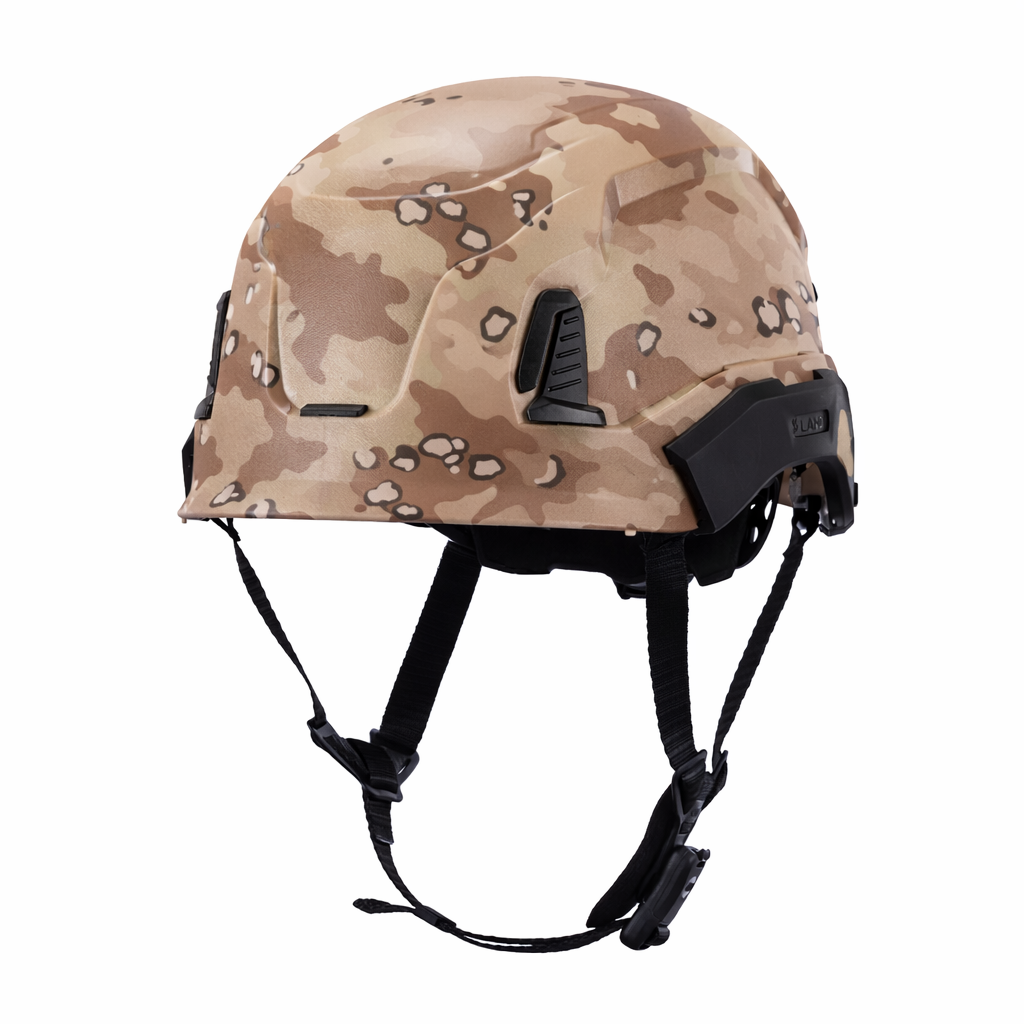
Hydro dipping is commonly used for:
-
Carbon-fiber-style patterns
-
Camouflage
-
Geometric designs
-
Wood-inspired textures
-
Repeating decorative patterns
-
Customized full-shell appearances
A water-slide decal places specific artwork in a selected area, while hydro dipping can decorate a much larger surface. A hydro-dipped carbon-fiber pattern is decorative only; it does not provide the material properties of a genuine carbon-fiber composite shell.
The Role of a Compatible Clearcoat
Depending on the decoration system, a compatible clearcoat may be applied over paint, decals or hydrographic patterns. It can help protect the decorated surface, unify its appearance and establish the final gloss, satin or matte level.
There is no universal clearcoat suitable for every helmet shell. The complete coating system must be selected according to the ABS grade, underlying decoration, curing requirements and intended appearance.
Decorative coatings should not be described as improving the helmet’s protective performance. The complete helmet construction must still be developed and evaluated for the applicable safety requirements.
How the ABS Helmet Painting Process Works
1. Shell Inspection and Cleaning
The molded shell is inspected and cleaned to remove dust, oils, mold-release residue and other contaminants that could affect adhesion or appearance.
2. Surface Preparation
Depending on the ABS grade and coating system, a compatible primer or surface treatment may be used. Unsuitable chemicals or curing conditions can damage the plastic or lead to coating failure.
3. Base Color Application
A compatible solid or metallic base color is applied according to the approved specification. Coverage and coating thickness are controlled to support consistent production.
4. Graphics and Decoration
Logos or decorative artwork can be added using screen printing, water-slide decals or hydro dipping.
5. Clearcoat and Curing
When required, a compatible clearcoat is applied and the shell is cured under conditions suitable for the ABS material and coating formulation.
6. Quality Inspection
Finished shells may be inspected for:
-
Approved color match
-
Surface consistency
-
Coating adhesion
-
Graphic placement
-
Hydrographic coverage
-
Gloss or texture consistency
-
Visible cosmetic defects
An approved reference sample helps establish the expected visual standard before mass production.
ABS vs. PC Helmet Shell Decoration
ABS and polycarbonate, or PC, are both used in helmet manufacturing, but their forming and decoration methods can differ.
ABS shells are commonly injection molded, making molded-in colors, mold-created textures and secondary processes such as painting, screen printing, decals and hydro dipping possible.
Thin PC shells are often thermoformed and may use graphics applied to a flat PC sheet before forming, depending on the helmet construction. Those pre-forming graphic methods should not automatically be presented as ABS shell processes.
Paints, inks, primers, activators and curing conditions must always be selected for the specific shell material.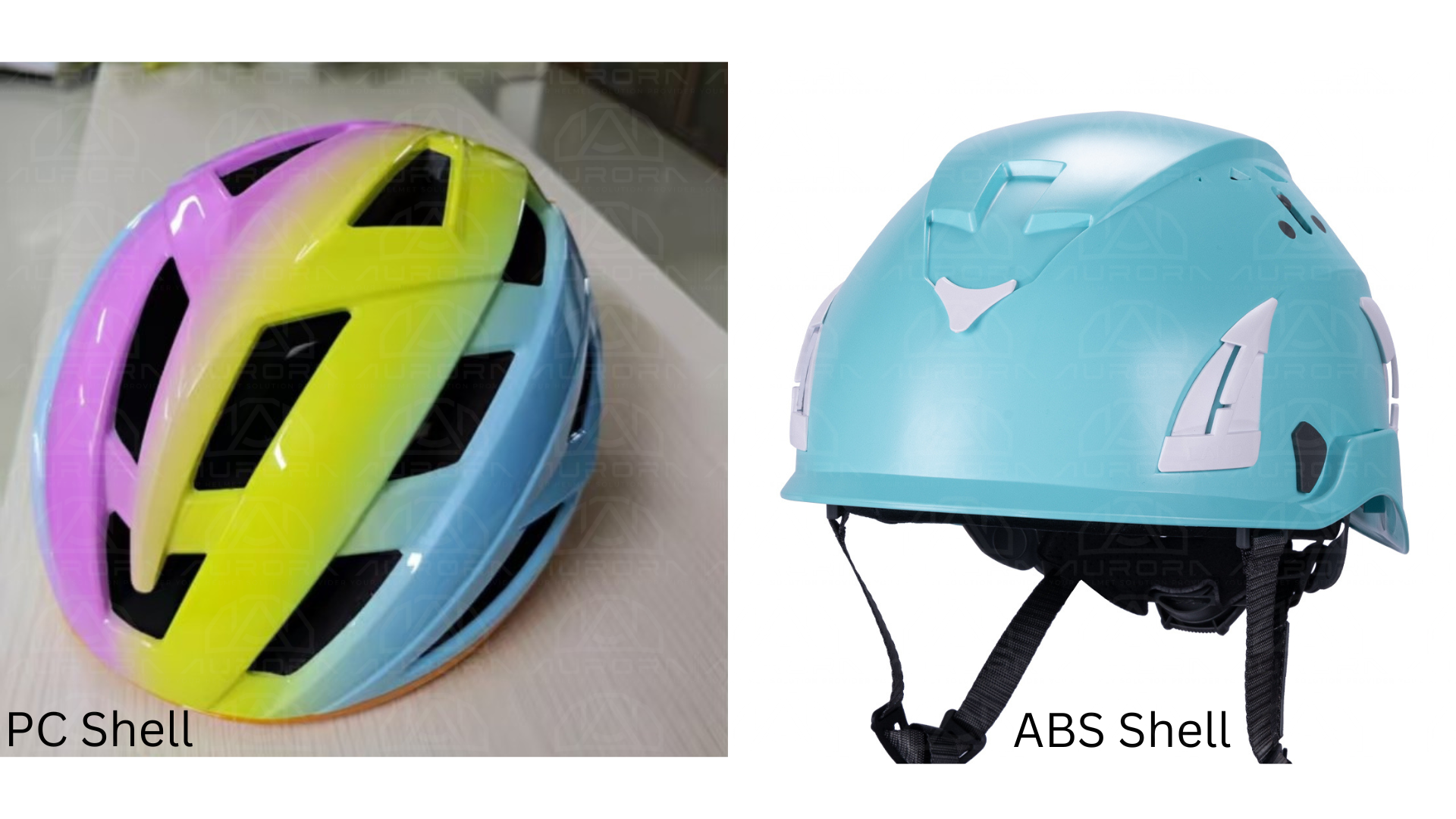
How to Choose the Right ABS Shell Decoration
Brands should consider:
-
Desired color and visual style
-
Molded-in color versus painted color
-
Complexity of logos and artwork
-
Shell geometry and ventilation openings
-
Surface texture
-
Production volume
-
Target price and lead time
-
Coating and material compatibility
-
Repeatability in mass production
For example, a high-volume industrial helmet may use a molded-in solid color with a screen-printed logo. An equestrian or sports helmet might combine compatible paint with a detailed decal and a gloss, satin or matte appearance. A carbon-fiber-style or camouflage pattern may be better suited to hydro dipping.
Different Applications Require Different Helmet Shells
The right shell material depends on the helmet’s intended use, construction and required performance. ABS and PC both provide valuable properties, but they are not interchangeable, and one is not automatically stronger in every helmet design.
Thicker, injection-molded ABS shells are often selected for their rigidity, durability and rugged construction. This makes ABS common in industrial safety helmets, some equestrian helmets, some snowboarding helmets and other demanding or higher-speed applications where a more substantial outer shell may be preferred.
Thin PC shells are frequently selected when low weight, aerodynamic shaping and integration with an EPS liner are important. PC is commonly used in bicycle helmets, short-track speed-skating helmets, some equestrian helmets and selected sections of snowboarding helmets.
The final material should be chosen according to the helmet’s design, impact-management system, target activity and applicable testing standard. Aurora Sports can help brands evaluate ABS, PC and combined shell constructions to determine the most appropriate option for each OEM or ODM helmet project.
Frequently Asked Questions
Can an ABS Helmet Shell Be Painted?
Yes. ABS can be painted when the surface preparation, paint formulation, application method and curing conditions are compatible with the specific resin grade.
Can an ABS Helmet Be Produced Without Paint?
Yes. Pigment can be added to the ABS resin before injection molding, allowing the shell to be manufactured in a solid molded-in color.
Can Logos Be Printed Directly on an ABS Shell?
Yes. Simple logos, text and product markings can often be screen printed onto suitable shell areas. Detailed or multicolor artwork may be better suited to a water-slide decal.
Can ABS Helmet Shells Be Hydro Dipped?
Yes. Compatible hydrographic systems can apply carbon-fiber-style, camouflage and other repeating patterns over curved ABS shell surfaces.
What Is the Difference Between Hydro Dipping and a Decal?
A decal applies an individual graphic to a selected location. Hydro dipping transfers a continuous pattern over a much larger three-dimensional area.
Can an ABS Shell Have a Carbon-Fiber Appearance?
Yes. Hydro dipping can create a decorative carbon-fiber-style pattern. However, the shell remains ABS and should not be marketed as genuine carbon fiber.
Can ABS Have a Molded Texture Without Paint?
Yes, when the texture is incorporated into the mold. Creating or changing that texture may require tooling work.
Do Helmet Decals Require a Clearcoat?
It depends on the decal and production system. Water-slide graphics are often protected with a compatible clearcoat, but the process must be confirmed for the specific ABS shell and coating specification.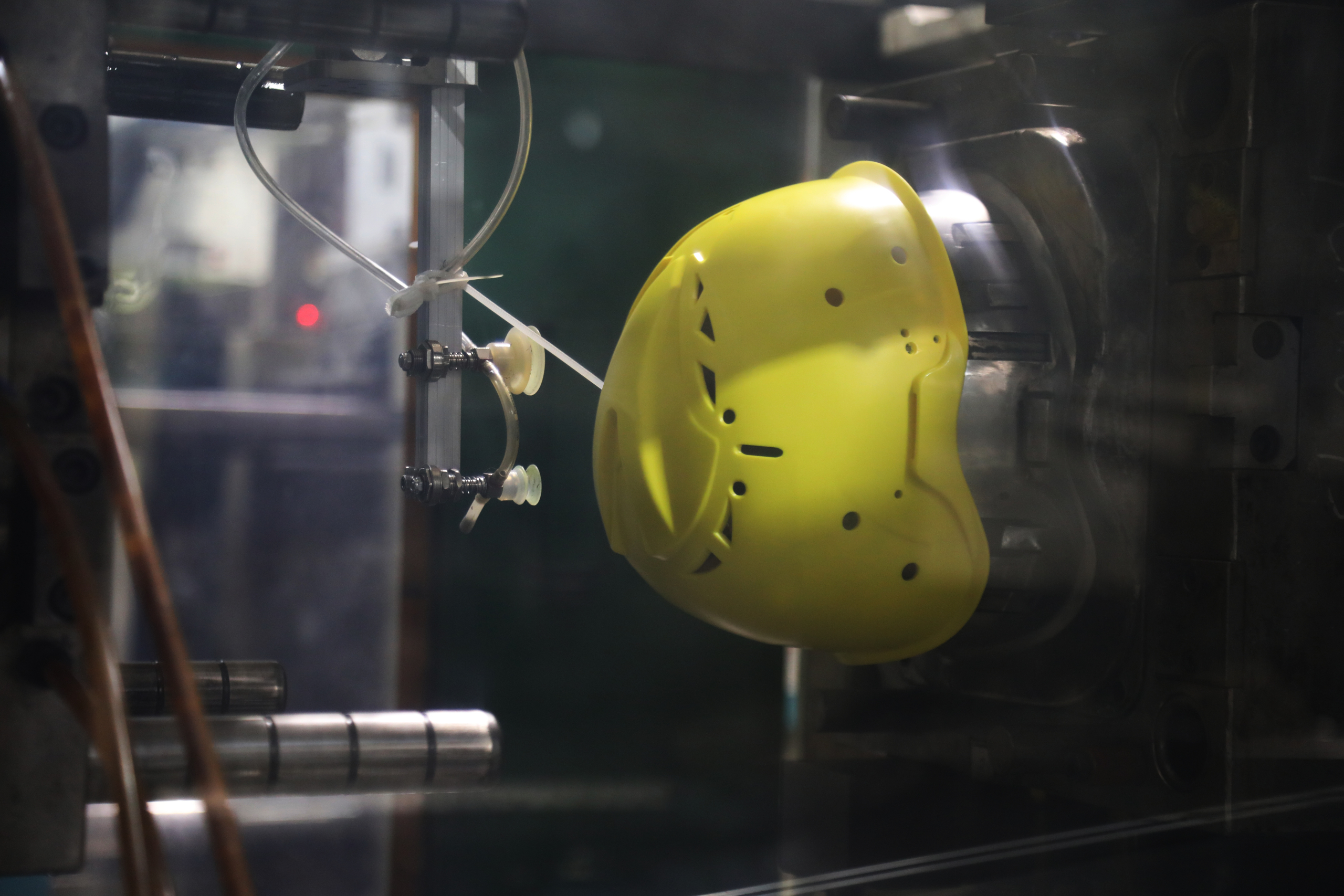
Custom ABS Helmet Decoration at Aurora Sports
Aurora Sports provides ABS shell customization as part of its OEM and ODM helmet development and manufacturing services.
Available project options may include:
-
Molded-in solid colors
-
Custom color matching
-
Compatible solid-color painting
-
Gloss, satin and matte appearances
-
Metallic finishes, subject to project confirmation
-
Screen-printed logos
-
Water-slide decals
-
Hydro-dipped patterns
-
Mold-created surface textures, depending on the tooling
-
Final assembly and quality inspection
Aurora Sports helps customers evaluate shell material, color, artwork and production requirements together. This supports designs that are visually distinctive, practical to manufacture and repeatable from approved sample to volume production.
Whether you are developing an industrial safety helmet, equestrian helmet, sports helmet or private-label product line, our team can help determine a suitable ABS shell construction and decoration process.
Have a custom helmet concept? Contact Aurora Sports to discuss your OEM or ODM project, artwork, color requirements, production quantity and target market.
📱 +1 (657) 762-7550
📧 sales@aurorasport.com


