Custom Bump Cap Design: Solving Fit, Comfort & Ventilation Problems
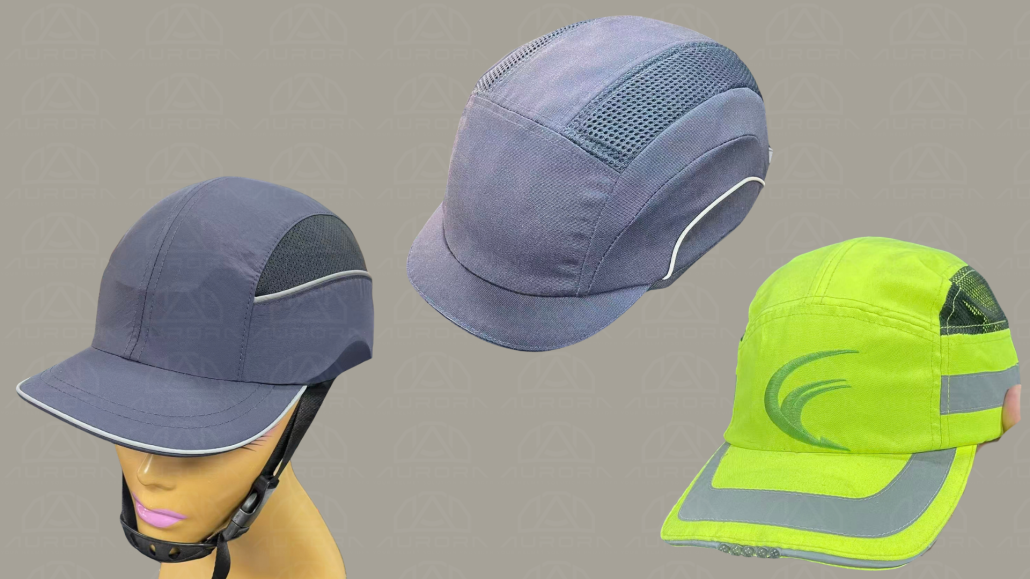
Bump caps are designed to provide lightweight head protection for workers who may accidentally strike their heads against low ceilings, shelving, pipes, machinery or other stationary objects.
Although the concept is simple, the wearing experience often is not.
Common complaints include poor fit, pressure around the forehead and temples, excessive heat, movement during use, odor, difficult cleaning and poor compatibility with different baseball caps.
At Aurora Sports, we are using these real-world concerns to guide the development of our bump-cap category.
Our goal is not simply to manufacture another rigid plastic insert. We want to apply our experience in helmet engineering, industrial design, material selection, In-mold decoration (IMD) or film insert molding (FIM), padding development, sewing, prototyping, testing support and quality control to develop a more comfortable and practical bump-cap solution.
Here are some of the key areas we are focusing on.
1. Improving the Fit of “Universal” Bump Caps
One of the biggest challenges with bump-cap inserts is fit.
A product described as “universal” still needs to accommodate different head shapes, head sizes and baseball-cap profiles. An insert that feels comfortable in one cap may feel too wide, too tall or too tight in another.
Aurora Sports can evaluate fit through:
-
3D modeling and industrial design
-
Prototype development
-
Head-form and cap-fit evaluations
-
Different shell geometries
-
Crown-height and internal-clearance studies
-
Wear trials using different head and cap profiles
Fit should not be evaluated by head circumference alone. Crown height, width, temple clearance and the internal space occupied by the protective insert can all affect comfort.
Rather than assuming one design will fit every person and every cap perfectly, we believe the better approach is to identify the variables that create poor fit and determine whether improved geometry, multiple sizes or clearer compatibility guidance can solve the problem.
2. Exploring a More Flexible TPU Insert
Many traditional bump-cap inserts use relatively rigid plastic.
Rigid materials provide structure, but they can also create pressure around the forehead, temples and sides of the head.
For future development, Aurora Sports is exploring the use of TPU as an alternative protective insert material.
TPU can be formulated with different levels of hardness, flexibility and resilience, creating opportunities to develop an insert that follows the shape of the head and cap more naturally.
However, simply changing the material does not automatically create a better product.
Material hardness, thickness, geometry, ventilation openings and manufacturing method must all work together. The final product must also be appropriately tested and validated for its intended use.
Our experience in In-mold decoration (IMD) or film insert molding (FIM) allows us to consider these variables as part of the complete product-development process rather than treating TPU as a simple material substitution.
3. Reducing Pressure Around the Forehead and Temples
A common comfort issue occurs when the lower edge of the bump-cap insert presses against the forehead or temples.
This problem may become more noticeable when the baseball cap is tightened.
Several design factors can influence pressure:
-
Edge geometry
-
Material thickness
-
Insert flexibility
-
Contact area
-
Head shape
-
Padding position
-
Cap adjustment
-
Internal clearance
Even a lightweight insert can become uncomfortable if pressure is concentrated in a small area.
Rounded transitions, controlled wall thickness and strategically positioned cushioning may help distribute pressure more evenly.
Longer wear trials are also important. A pressure point that feels acceptable during a five-minute fitting may become uncomfortable after several hours of work.
4. Creating a Lower-Profile Appearance
One of the reasons many workers prefer bump caps is that they look and feel closer to a normal baseball cap than a traditional industrial helmet.
That benefit can be reduced if the insert makes the cap appear oversized, excessively tall or unusually round.
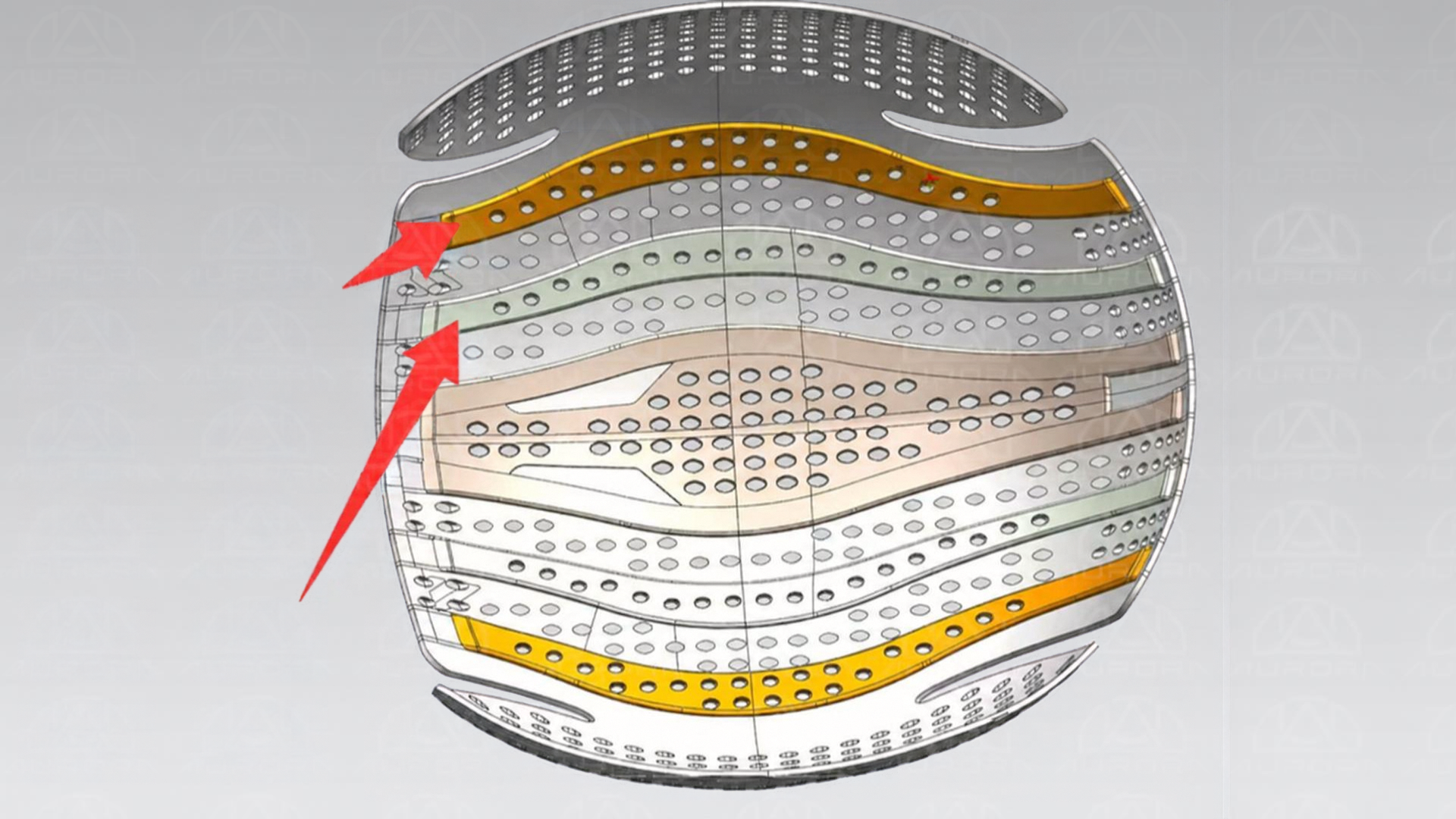
Aurora Sports can study the relationship between protection, internal space and external appearance by evaluating:
-
Insert height
-
Crown geometry
-
Baseball-cap depth
-
Vent placement
-
Protective coverage
-
Internal component thickness
-
The way the textile cap sits over the insert
The objective is to use the available space efficiently while maintaining the intended coverage and performance of the product.
5. Improving Stability Without Making the Cap Too Tight
A bump-cap insert that moves excessively can be distracting and uncomfortable.
It may shift when the wearer bends down, climbs, looks upward or works in confined spaces.
Simply tightening the baseball cap may reduce movement, but it may also increase pressure around the forehead and temples.
For this reason, we believe the insert, cap and attachment system should be developed as one complete product.
Possible development areas include:
-
Insert geometry
-
Internal contact points
-
Cap construction
-
Hook-and-loop or nice chin strap attachment
-
Retention features
-
Padding placement
-
Head movement
-
Ease of removal for cleaning
-
Dial hat adjustor system
Aurora Sports produces attachment components and develops helmet padding in-house, allowing us to evaluate how the insert and textile components work together.
The goal is better stability without making the product unnecessarily tight or complicated.
6. Improving Ventilation as a Complete System
More ventilation holes do not automatically mean a cooler bump cap.
Actual airflow depends on the complete construction, including the insert, padding, textile cap, ventilation alignment, hair and the amount of space between the insert and the wearer’s head.
During development, we can evaluate:
-
Vent size and position
-
Internal air channels
-
Padding coverage
-
Cap-fabric breathability
-
Cap eyelet location
-
Clearance between the head and insert
-
Protective coverage
-
Material strength
Ventilation should be considered from the beginning of the design process, together with structure, comfort and manufacturability.
Physical prototypes and wear evaluations can then help determine whether the complete system actually feels cooler in realistic working conditions.
7. Developing Better Padding and Comfort Materials
Padding can improve comfort by reducing direct contact between the insert and the head.
But poorly designed padding can also trap heat and sweat, block airflow and develop odor.
Aurora Sports has experience with fabric selection, foam combinations, liner construction and in-house sewing. Depending on the final product requirements, we can evaluate materials offering characteristics such as:
-
Breathability
-
Moisture management
-
Quick drying
-
Cooling
-
Antibacterial performance
-
Long-wear comfort
-
Washability
Padding thickness, construction and placement can also be developed around ventilation openings and known pressure areas.
The right combination depends on the intended market, performance requirements, comfort target and cost.
8. Making Cleaning and Replacement Easier
Bump caps used throughout a physical workday are naturally exposed to sweat, dust, oil and frequent handling.
If comfort pads are difficult to remove, wash or dry, hygiene and odor can quickly become problems.
Depending on the final design, Aurora Sports can evaluate whether comfort components should be:
-
Removable
-
Washable
-
Replaceable
-
Quick-drying
-
Easy to reinstall
-
Available separately as replacement parts
The attachment method also needs to keep the padding secure during use while still allowing convenient maintenance.
Clear care instructions can further help users understand how to clean, dry and replace these components.
9. Reducing the Need for Difficult Trimming
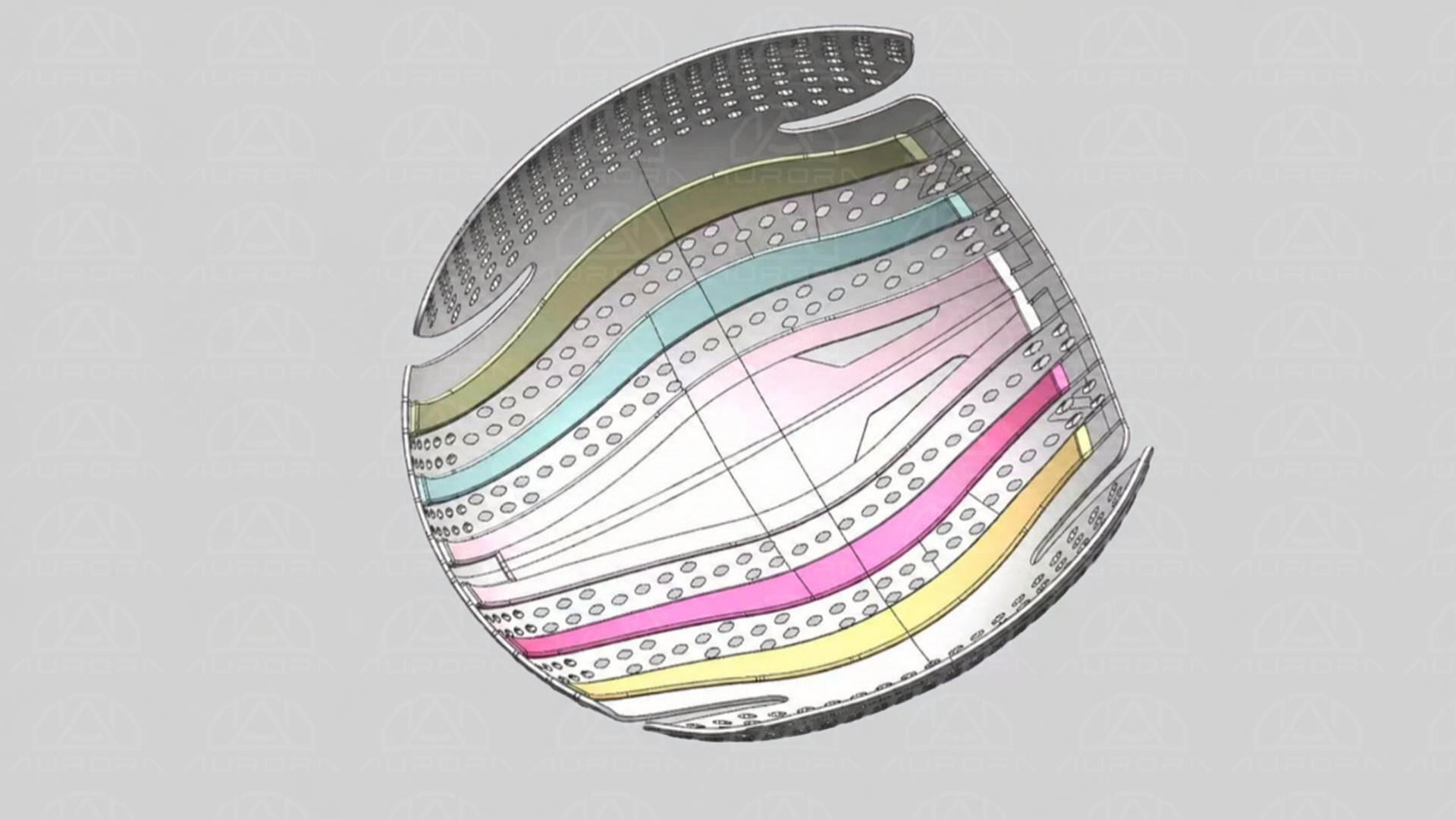
Some bump-cap inserts use a trim-to-fit concept.
Although this can provide flexibility, it also creates uncertainty for the customer. Users may cut too much material, create uneven edges or wonder whether modifying the insert has affected its intended performance.
A better solution may be to reduce the need for trimming through:
-
Improved sizing
-
Better shell geometry
-
Clearer cap-compatibility guidance
If adjustment is still required, the design can incorporate features such as:
-
Clearly marked cutting guides
-
Defined adjustment zones
-
Symmetrical reference points
-
Simple fitting instructions
-
Comfortable finished edges
-
Clear warnings identifying areas that must not be modified
Any trim-to-fit feature should be reviewed carefully during development and testing. Users should never have to guess which areas of a protective product can be safely modified.
10. Providing Clearer Fit and Compatibility Information
Sometimes the problem begins before the product is even worn.
Terms such as “universal fit” can create expectations that may not reflect every combination of head shape, head size and baseball-cap construction.
Better product information can help.
Aurora Sports can develop clear guidance covering:
-
Intended head-size range
-
Compatible cap profiles
-
Minimum crown depth
-
Fitting and installation
-
Padding removal
-
Cleaning and maintenance
-
Replacement components
-
Intended use
-
Protective limitations
This information can be communicated through product packaging, instruction manuals, websites, technical diagrams and fitting videos.
Clear information makes the product easier for workers to use, easier for employers to issue and easier for distributors to recommend.
11. Clearly Explaining Bump Caps vs. Industrial Safety Helmets
One of the most important aspects of bump-cap development is communicating what the product is—and what it is not.
A bump cap is not a replacement for a hard hat or industrial safety helmet.
Bump caps are generally intended for minor worker-generated contact with stationary objects. They should not be selected for hazards involving falling or flying objects, electrical exposure or other conditions requiring certified industrial head protection appropriate to the hazard.
For this reason, product instructions and marketing should clearly communicate:
-
Intended use
-
Appropriate working environments
-
Limitations of protection
-
Differences from industrial safety helmets
-
Testing or standards applicable to the finished product
Most importantly, no certification or performance claim should be made until the final materials, construction and complete product configuration have been properly evaluated and tested.
From User Feedback to Product Development
Aurora Sports supports the complete helmet-development process, including:
Industrial Design → Engineering → Material Evaluation → Prototyping → Tooling → Injection Molding → Textile Development → Sewing → Assembly → Testing Support → Production Validation → Quality Control
For bump-cap projects, this allows us to develop the insert, textile cap, padding and attachment system as an integrated product rather than treating them as unrelated components.
A typical development process may include:
User Pain-Point Review → Product Requirements → Material Evaluation → Industrial Design → Prototyping → Fit & Wear Evaluation → Tooling → Testing → Production Validation → Quality Control
The goal is not to claim that every comfort or fit issue can be eliminated.
Head shapes, working environments and individual preferences will always vary.
The objective is to identify common problems early, evaluate practical improvements and avoid carrying preventable issues into mass production.
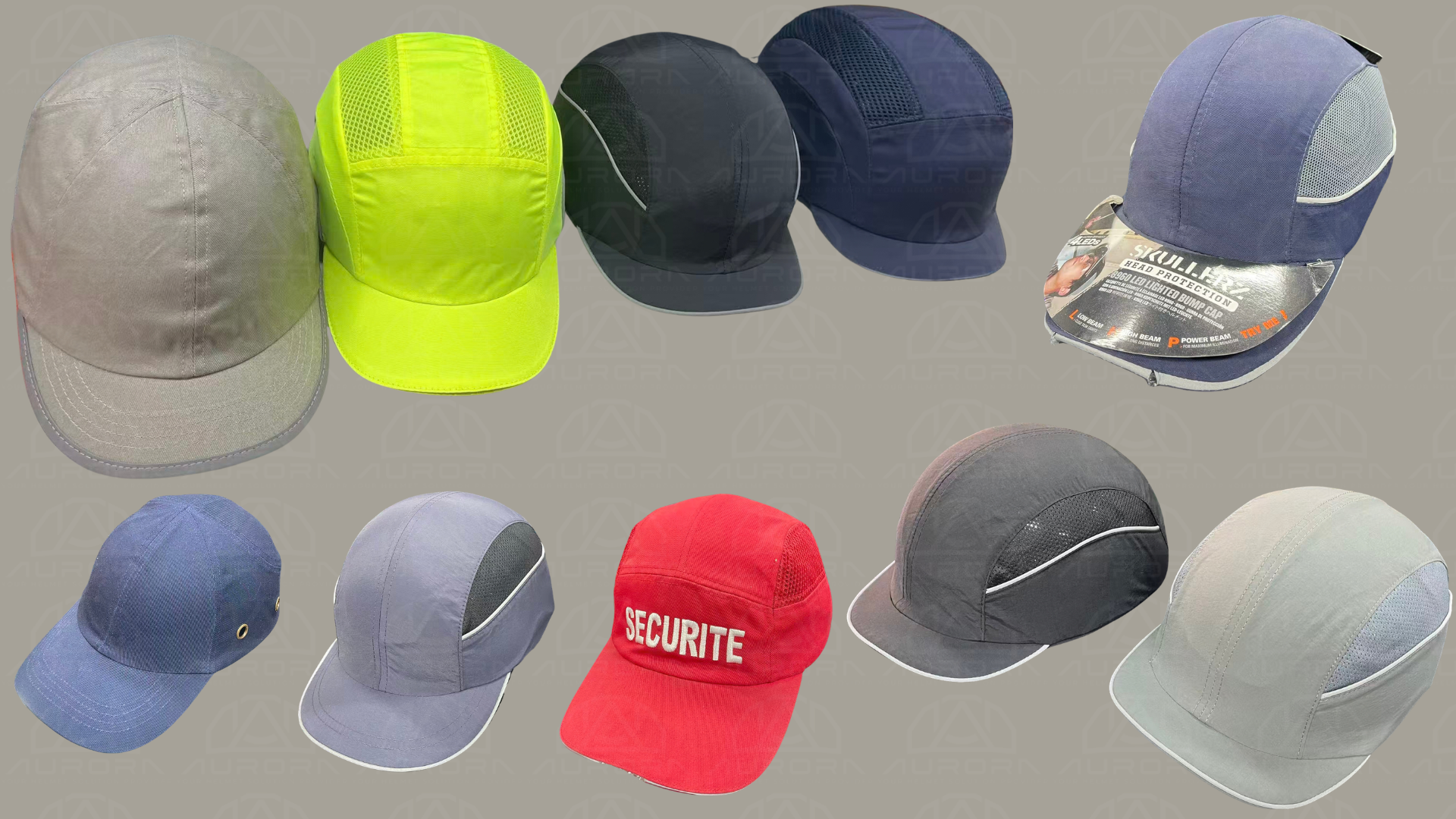
Better Bump Caps Start by Listening
A bump cap may appear to be a simple product, but its performance and comfort depend on many small details.
Fit affects pressure. Pressure affects comfort. Padding affects airflow. Attachment affects stability. Materials affect flexibility, weight and maintenance.
At Aurora Sports, we are bringing our helmet-development and manufacturing experience into the bump-cap category while focusing on what users, employers, safety brands and distributors actually need.
That includes exploring:
-
More flexible TPU inserts
-
Improved comfort padding
-
Better ventilation
-
Greater stability
-
Easier cleaning and maintenance
-
Better fit and compatibility
-
Clearer product information
But every improvement must ultimately be supported by engineering, prototyping, evaluation and appropriate testing.
Because better head protection does not begin with mass production.
It begins with understanding the problem, engineering the solution and testing the result.
Develop a Custom Bump Cap With Aurora Sports
Are you a PPE brand, safety distributor, industrial supplier or company developing a new bump-cap product?
Aurora Sports provides OEM and ODM support for custom bump-cap development.
Tell us about your:
-
Target market
-
Intended working environment
-
Material requirements
-
Cap style
-
Comfort requirements
-
Estimated order quantity
-
Testing requirements
Our team can help evaluate the most practical development path for your project.
Contact Aurora Sports to discuss your next bump-cap project.
Contact Us:
📱 +1 (657) 762-7550


